U.S. Rescue Mission in Iran Highlights Escalating Conflict and Potential for Humanitarian Crisis
The reported downing of a U.S. jet inside Iran underscores the human cost of the ongoing conflict and raises concerns about civilian populations in the region.
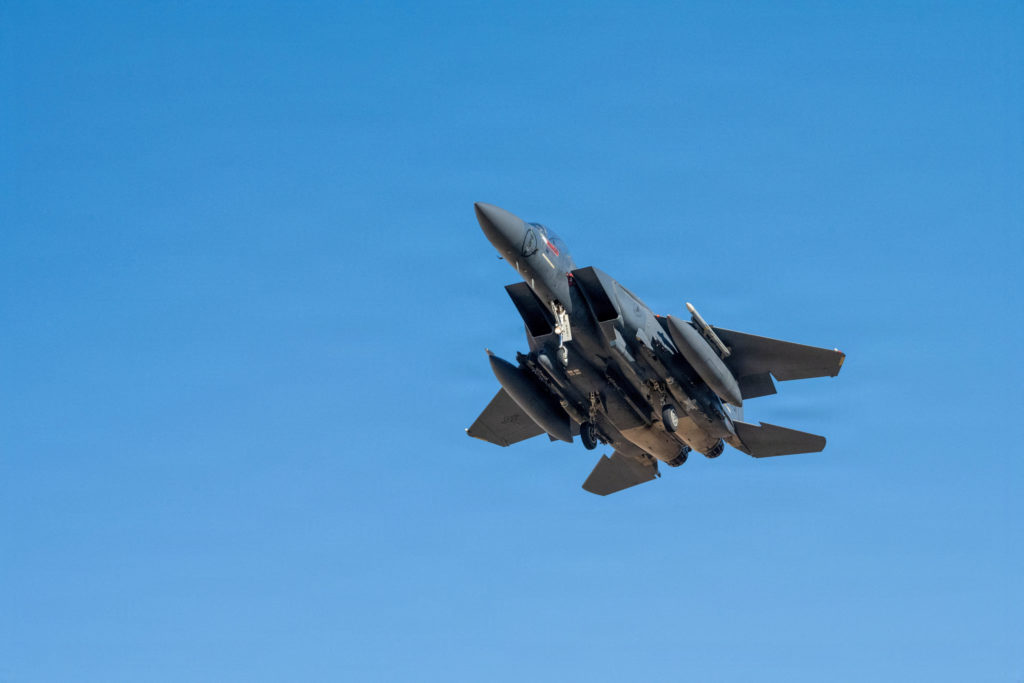
Washington, D.C. – The United States military has initiated a rescue operation after Iranian state television reported a U.S. fighter jet went down inside Iranian territory, a potential first for the U.S. and a stark escalation of the five-week-old conflict. This incident demands immediate scrutiny of the humanitarian implications for civilians caught in the crossfire and the long-term impact on regional stability.
While the Pentagon has yet to confirm the loss of an aircraft, the initiation of a search and rescue operation indicates the gravity of the situation. This event serves as a painful reminder of the human cost of war, particularly for vulnerable populations who often bear the brunt of armed conflict. The potential for civilian casualties in the vicinity of the downed aircraft must be a paramount concern.
This incident unfolds against a backdrop of five weeks of escalating tensions, including skirmishes and naval confrontations. The introduction of U.S. military assets inside Iranian territory presents a dangerous new dynamic, increasing the risk of direct conflict and further destabilizing the region. The focus should be on de-escalation and diplomatic solutions rather than military escalation.
The impact of this conflict extends beyond the immediate combat zone. Humanitarian organizations have warned of the growing displacement of civilians, shortages of essential supplies, and the potential for a wider humanitarian crisis. The international community must prioritize the provision of aid and support to those affected by the conflict, with a particular focus on protecting vulnerable groups such as women, children, and the elderly.
The potential for environmental damage is another pressing concern. The downing of an aircraft can release hazardous materials into the environment, posing risks to human health and ecosystems. A thorough assessment of the environmental impact is needed, along with measures to mitigate any potential harm.
The international community has a responsibility to hold all parties accountable for their actions during this conflict. Investigations into potential violations of international humanitarian law must be conducted, and those responsible for war crimes must be brought to justice. The pursuit of peace and justice is essential for building a more stable and equitable future for the region.
This incident underscores the urgent need for a comprehensive political solution to the underlying causes of the conflict. Dialogue and negotiation are the only viable paths to achieving a lasting peace. The United Nations and other international organizations should redouble their efforts to mediate between the parties and facilitate a peaceful resolution.
The focus should not only be on military operations but also on addressing the root causes of conflict, such as poverty, inequality, and political marginalization. Investing in sustainable development, promoting human rights, and fostering inclusive governance are essential for building long-term stability.
The unfolding situation serves as a reminder that war is never the answer. It is a destructive force that inflicts immense suffering on individuals, communities, and the environment. We must learn from the past and work towards a future where conflicts are resolved through peaceful means.
The Pentagon is expected to provide further updates as the situation unfolds. The White House has also indicated that President will address the nation on this matter in the coming hours. This is a developing story, and more information will be provided as it becomes available.
Sources:
* United Nations Office for the Coordination of Humanitarian Affairs (OCHA) * International Committee of the Red Cross (ICRC)