US Rescue Mission's Wake: Environmental and Human Costs in Iran
The destruction of US aircraft in Iran highlights the devastating impact of military actions on local communities and the environment, amidst a wider conflict.
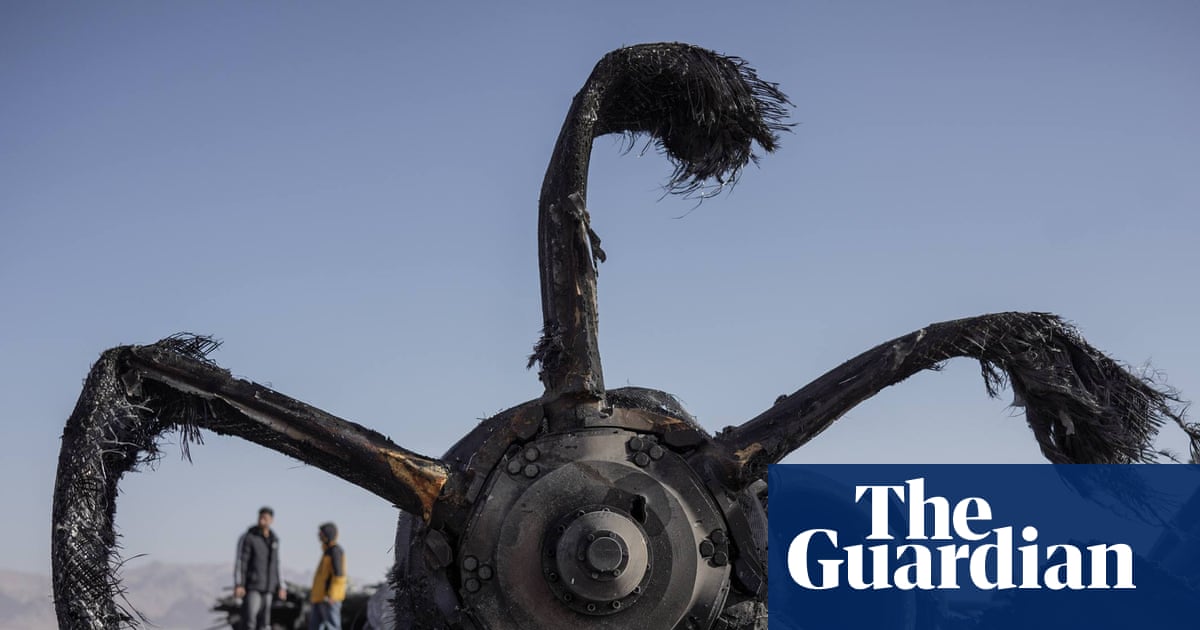
Shahreza, Iran - The aftermath of a US military operation in Iran's Isfahan province has left a trail of wreckage, raising concerns about the environmental and human costs borne by the local farming community of Parzan, near Shahreza. The destruction of two C-130 Hercules transport planes and at least two helicopters underscores the far-reaching consequences of military intervention, especially on marginalized populations already vulnerable to the impacts of ongoing conflict.
The incident, ostensibly a mission to rescue two downed US airmen, involved a large deployment of US military aircraft, including bombers, fighters, and refuelling tankers. While US officials claim the aircraft were destroyed to prevent their capture after a C-130 became stuck, Iranian authorities assert their forces destroyed them, escalating tensions further. Regardless of the specific circumstances, the environmental damage from the charred remains of the aircraft and potential contaminants released into the soil and water sources poses a significant threat to the local ecosystem and the health of residents.
The community of Parzan, largely spared from the US-Israeli war until now, has been directly impacted by this military incursion. Residents reported explosions and gunfire, disrupting their lives and livelihoods. Amir, a local farmer, recounted how his neighbor's car was attacked while investigating the commotion, illustrating the immediate danger faced by civilians caught in the crossfire.
The incident underscores the disproportionate impact of military actions on civilian populations, particularly in regions already facing socioeconomic challenges. The destruction of agricultural land, potential contamination of water sources, and the disruption of daily life exacerbate existing vulnerabilities. Furthermore, the psychological toll on residents witnessing such violence cannot be ignored.
Historically, marginalized communities bear the brunt of environmental degradation and displacement resulting from military activities. From the use of Agent Orange in Vietnam to the environmental damage caused by military bases around the world, the pattern is clear: those with the least power often suffer the most from the consequences of war. This incident in Isfahan province is another example of this unjust dynamic.
The long-term health effects of exposure to pollutants released from the destroyed aircraft are a serious concern. Toxic chemicals and heavy metals can contaminate the soil and water, leading to chronic illnesses and developmental problems, particularly for children. Comprehensive environmental assessments and remediation efforts are essential to mitigate these risks and protect the health of the community.