War and Gas Prices Fueling Discontent: Trump's Approval Plummets Amidst Mideast Conflict
Declining public support for the Iran war and soaring fuel costs reveal the human cost of escalating geopolitical tensions and unchecked military action.
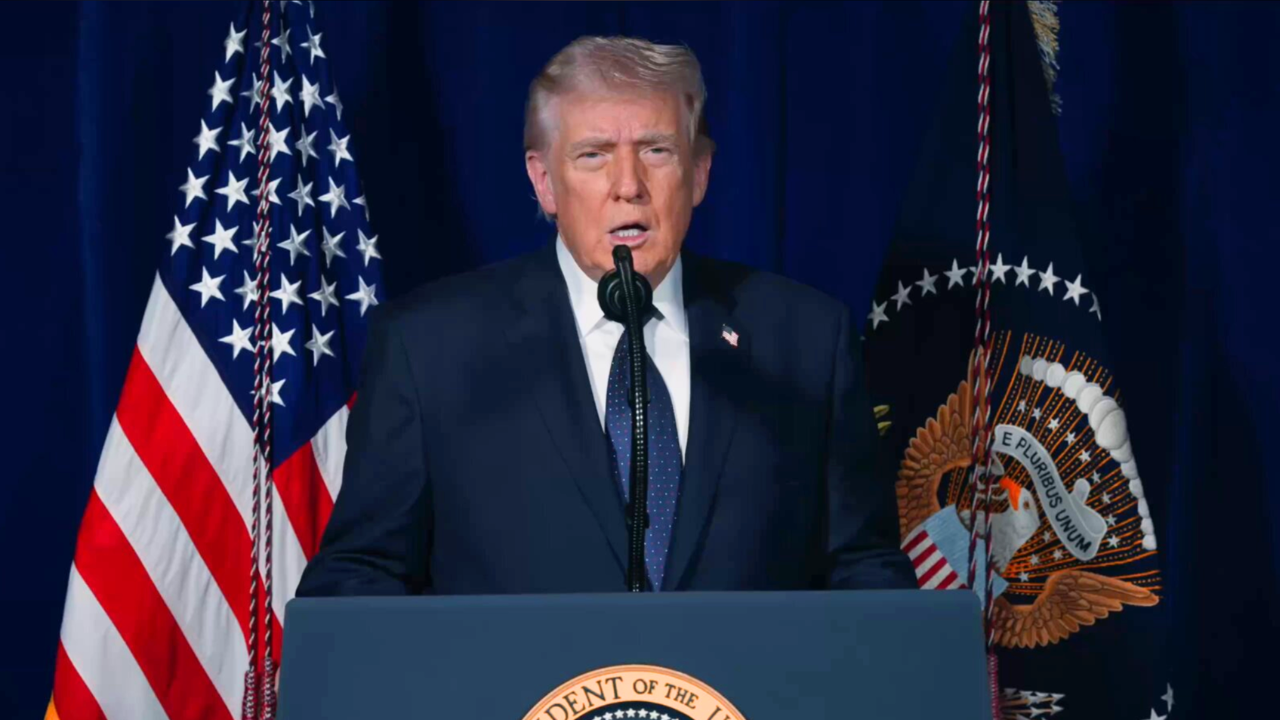
WASHINGTON – President Donald Trump faces a steep decline in public approval as the U.S. and Israel continue their month-long military campaign against Iran. This erosion of support coincides with a surge in gas prices, directly impacting working families and exacerbating existing economic anxieties.
The latest Fox News national poll, conducted March 20–23, reveals a stark reality: Trump's approval stands at a mere 41%, with a significant 59% disapproval rating. This negative 18-point margin represents a substantial increase from the previous poll, conducted February 28–March 2, signaling a clear shift in public sentiment since the commencement of the strikes against Iran.
This downward trend is further substantiated by other national surveys. Polls from Reuters/Ipsos, AP/NORC, and Quinnipiac University consistently place the president's approval ratings in the upper 30s, with disapproval hovering in the upper 50s to low 60s. A CNN poll conducted March 26–30 paints an even bleaker picture, indicating a 35% approval and 64% disapproval rating. These figures underscore a growing disconnect between the administration's policies and the lived experiences of everyday Americans.
The military attacks on Iran, which have resulted in the deaths of Iranian Supreme Leader Ayatollah Ali Khamenei and other top officials, raise serious questions about international law and the potential for further destabilization in the region. Iran's retaliatory actions, including targeting energy facilities and disrupting oil supply routes, highlight the interconnectedness of global energy markets and the vulnerability of civilian populations to geopolitical conflict.
The surge in gas prices, now exceeding $4 per gallon for the first time in four years, disproportionately impacts low-income communities and working-class families. This increase in the cost of living further exacerbates existing economic inequalities and places an undue burden on those who can least afford it. The focus on military intervention diverts resources from vital social programs and domestic priorities, leaving many Americans feeling abandoned and forgotten.
Republican pollster Daron Shaw acknowledges a "close to a double-digit movement" away from Trump among non-MAGA Republicans, signaling a potential fracturing within the party. This suggests that even within the GOP, there is growing unease with the president's policies and the direction of the country.
The timing of this decline in approval ratings is particularly precarious for the Republican party, as they face the prospect of defending their slim majorities in the House and Senate in the upcoming midterm elections. The combination of an unpopular war, rising gas prices, and growing economic anxieties could prove to be a formidable challenge for the GOP. Voters may be increasingly inclined to hold the party accountable for the perceived failures of the administration and the negative consequences of its policies.
President Trump's primetime address presents an opportunity to address the concerns of the American people and offer a path towards de-escalation and economic stability. However, without a fundamental shift in policy and a genuine commitment to addressing the needs of working families, it is unlikely that the president will be able to reverse the current trajectory and regain the trust of the nation.