War in Iran Fuels Global Inequality as Oil Prices Soar
Working families bear the brunt as conflict in the Middle East drives up energy costs.

The ongoing conflict involving the US, Israel, and Iran is not only a humanitarian crisis but also a driver of global economic inequality, as disruptions in the Strait of Hormuz trigger a surge in oil prices. This price increase disproportionately impacts working families and marginalized communities who are already struggling with rising costs of living. The Strait of Hormuz, a vital artery for global oil transport, is now a choke point, exacerbating existing vulnerabilities in the global economy.
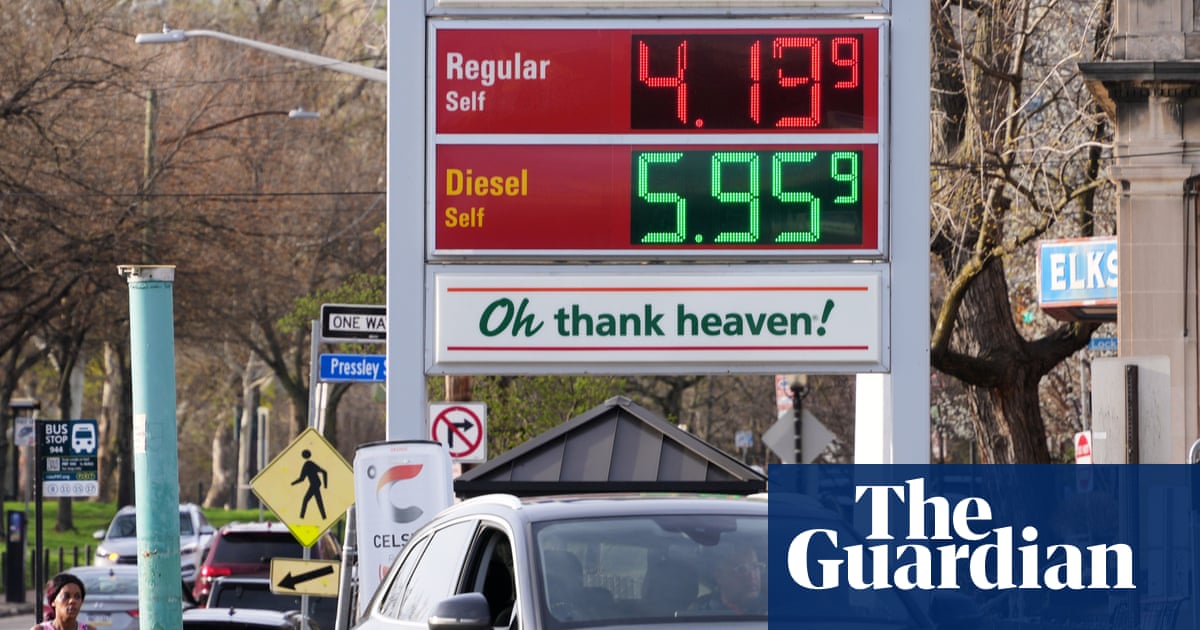
Fuel shocks resulting from this conflict will be felt most acutely by those with the least economic resources. While wealthy individuals and corporations can absorb higher energy costs, working-class families will face difficult choices between heating their homes, putting food on the table, or paying for transportation to work. This exacerbates existing inequalities and creates a deeper divide between the haves and have-nots.
The rise in oil prices also contributes to inflationary pressures, eroding the purchasing power of wages and making it harder for people to afford basic necessities. The situation underscores the need for policies that protect vulnerable populations from the economic fallout of geopolitical instability. These policies could include direct financial assistance, expanded access to social safety nets, and investments in affordable housing and transportation.
Historically, disruptions to oil supply have often been used as justification for austerity measures and cuts to social programs, further harming those who are already struggling. It is crucial to resist this impulse and instead prioritize policies that promote economic justice and equity.
The conflict also highlights the need for a transition to a sustainable energy economy. Reliance on fossil fuels not only contributes to climate change but also makes the global economy vulnerable to geopolitical shocks. Investing in renewable energy technologies and energy efficiency measures can create jobs, reduce carbon emissions, and enhance energy security.
Furthermore, the situation underscores the need for a more just and equitable global order. The concentration of wealth and power in the hands of a few corporations and countries allows them to profit from conflict and instability while ordinary people suffer the consequences. We need to challenge this system and create a world where everyone has the opportunity to thrive.
The long-term solution to these problems requires a fundamental shift in our priorities. We need to invest in education, healthcare, and other social programs that support human flourishing. We need to create a more just and equitable economy that works for everyone, not just the wealthy few. And we need to pursue a foreign policy that prioritizes diplomacy and cooperation over military intervention.
The international community must also hold those responsible for the conflict accountable for the economic and humanitarian consequences. This includes providing financial assistance to countries that are disproportionately affected by the rise in oil prices and working to resolve the underlying political tensions that are driving the conflict.
It is imperative that we learn from this crisis and take action to prevent future disruptions. This means investing in renewable energy, promoting energy efficiency, and working to create a more just and equitable global order. The future of our planet and the well-being of all people depend on it.
The current crisis presents an opportunity to build a more sustainable and equitable future. By working together, we can create a world where everyone has the opportunity to thrive, regardless of their background or circumstances.