Wisconsin Tragedy Highlights Mental Health Crisis and Online Conspiracy's Reach
The death of a 14-year-old girl in Wisconsin, allegedly at the hands of her mother citing Elon Musk, underscores the urgent need for accessible mental healthcare and the dangers of online misinformation.
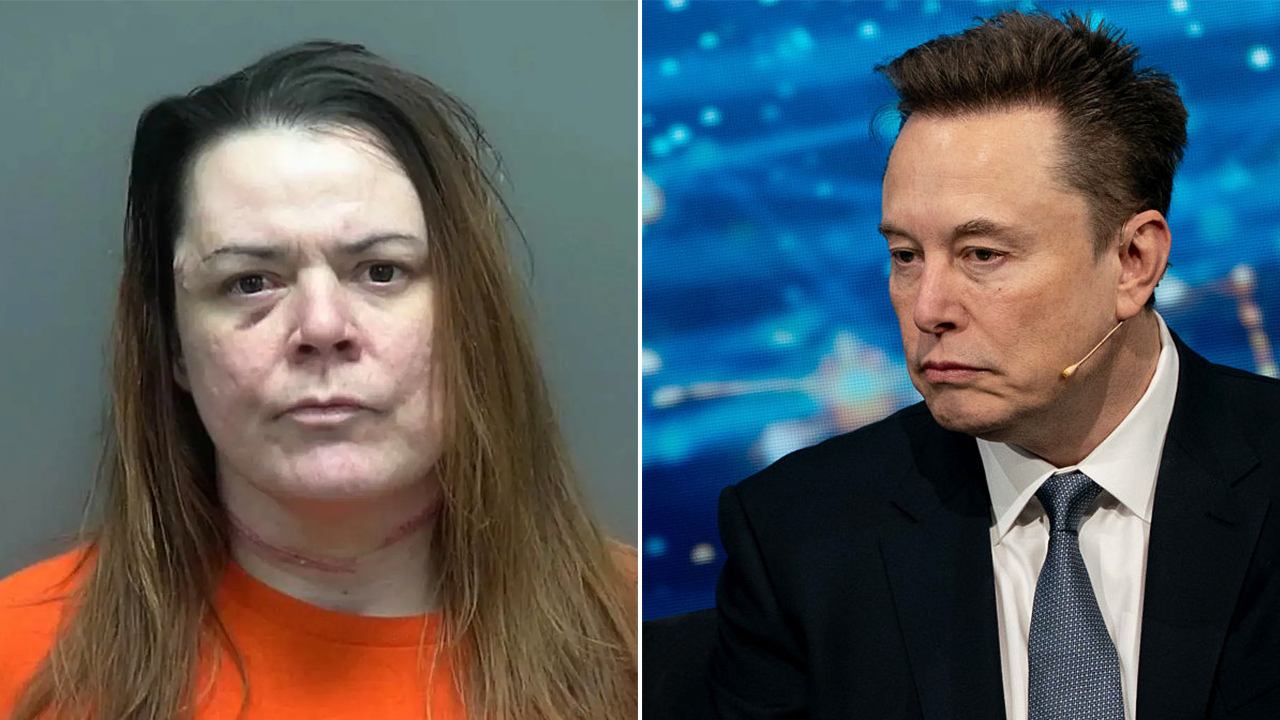
ROCK COUNTY, WI – The tragic death of 14-year-old Kuren Rein in Rock County, Wisconsin, allegedly at the hands of her mother, Tyiece Oninski, has cast a spotlight on the intersection of mental health struggles, substance abuse, and the insidious influence of online conspiracy theories. On March 20, Oninski contacted authorities, confessing to fatally stabbing her daughter the previous night, claiming it was to protect her from Elon Musk.
This incident serves as a stark reminder of the vulnerabilities of individuals grappling with mental health challenges, particularly when compounded by exposure to misinformation and conspiracy theories that proliferate online. The easy accessibility and rapid spread of these narratives can warp perceptions of reality and potentially contribute to violent actions.
Oninski's alleged use of drugs, including benzodiazepines, amphetamines, and THC, further complicates the situation. Substance abuse can exacerbate underlying mental health conditions and impair judgment, potentially leading to impulsive and harmful behaviors. The presence of these substances in Oninski's system at the time of the incident raises serious questions about access to substance abuse treatment and support services within the community.
The lack of adequate mental healthcare resources in many communities across the nation is a systemic issue. Individuals struggling with mental health disorders often face significant barriers to accessing timely and effective treatment, including financial constraints, geographic limitations, and social stigma. This tragedy underscores the urgent need for increased investment in mental health services, particularly for vulnerable populations who may be at greater risk of exposure to harmful misinformation.
Social media platforms also bear responsibility for the spread of conspiracy theories and misinformation that can contribute to radicalization and violence. While some platforms have taken steps to moderate content and combat the spread of false information, more robust measures are needed to effectively address this issue.
Furthermore, this incident highlights the importance of community support systems for families facing mental health challenges. Families often struggle to navigate the complexities of mental illness and substance abuse, and they may benefit from access to resources such as counseling, support groups, and educational programs.
Kuren Rein's death is a devastating loss for her family and community. The GoFundMe campaign established to support her brother and family has raised over $17,000, demonstrating the community's desire to provide assistance during this difficult time. However, this tragedy also serves as a call to action to address the systemic issues that contribute to mental health crises and the spread of harmful misinformation. We must prioritize mental healthcare access, combat online disinformation, and strengthen community support systems to prevent future tragedies.