Zoo Escape Exposes Risks of Animal Captivity, Community Safety Concerns Raised
A wolf's escape in South Korea spotlights the ethical and practical challenges of zoos, leading to school closures and widespread safety concerns.
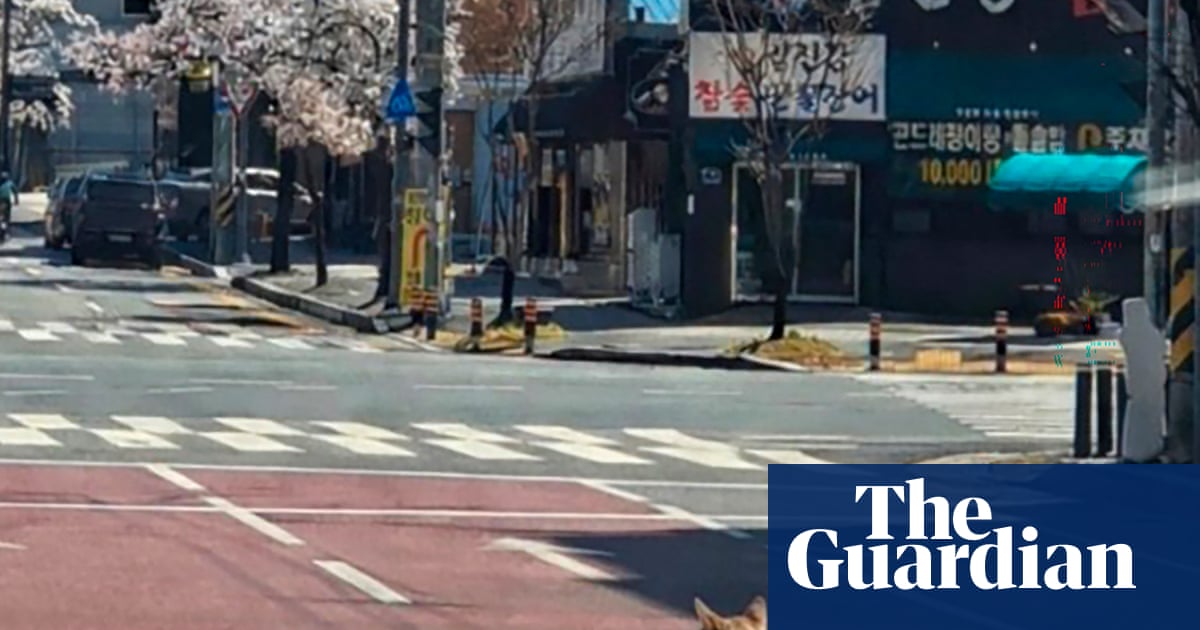
Daejeon, South Korea - The recent escape of a wolf from the O-World theme park zoo in Daejeon underscores the complex interplay between animal welfare, public safety, and the ethical considerations of keeping wild animals in captivity. As hundreds of emergency service and military personnel search for the escaped wolf, born in 2024 and weighing approximately 30 kg, the incident raises critical questions about the conditions in which these animals are kept and the potential risks posed to surrounding communities.
The closure of Daejeon Sanseong elementary school, affecting countless students and their families, serves as a stark reminder of the real-world consequences of such escapes. This closure disrupts education and places additional burdens on working families who must now find alternative childcare arrangements. While authorities prioritize safety, it's essential to recognize the disproportionate impact these measures can have on vulnerable populations. The deployment of drones, later hampered by rain, highlights the need for comprehensive emergency response plans that account for various environmental conditions.
Animal rights advocates have long argued that zoos often fail to provide environments that adequately meet the complex needs of wild animals. Confined spaces, unnatural social groupings, and limited opportunities for natural behaviors can lead to stress, behavioral abnormalities, and ultimately, a diminished quality of life. The Korea Times quoted an O-World official stating the wolf escaped by digging through the soil at the bottom of its enclosure, raising questions about enclosure integrity and the zoo's ability to prevent such incidents. This escape serves as a tangible example of the potential failures in maintaining secure environments for captive animals.
Furthermore, the incident highlights the need for increased transparency and accountability in zoo operations. Public access to information about animal welfare practices, enclosure standards, and emergency protocols is crucial for fostering trust and ensuring that zoos are held responsible for their actions. Independent audits and assessments of zoo facilities can help identify vulnerabilities and prevent future escapes. The comparison drawn to the 2023 zebra escape in Seoul underscores the recurring nature of these incidents and the need for systemic improvements.
Moreover, the focus should extend beyond immediate containment and consider the long-term well-being of the escaped wolf. If recaptured, the animal should be provided with appropriate rehabilitation and care. Consideration should also be given to alternative solutions, such as sanctuaries or rewilding programs, that prioritize the animal's natural needs and freedom. The incident serves as a catalyst for a broader societal conversation about the ethics of keeping wild animals in captivity for entertainment and profit. It demands a critical examination of our relationship with the natural world and the responsibilities we have to protect the well-being of all living creatures.