Baylor's Comeback Victory Highlights Disparities in Women's College Basketball
Baylor's narrow win over Nebraska underscores the challenges faced by mid-major programs in the NCAA Tournament, while LSU's dominance raises questions about resource allocation in women's sports.
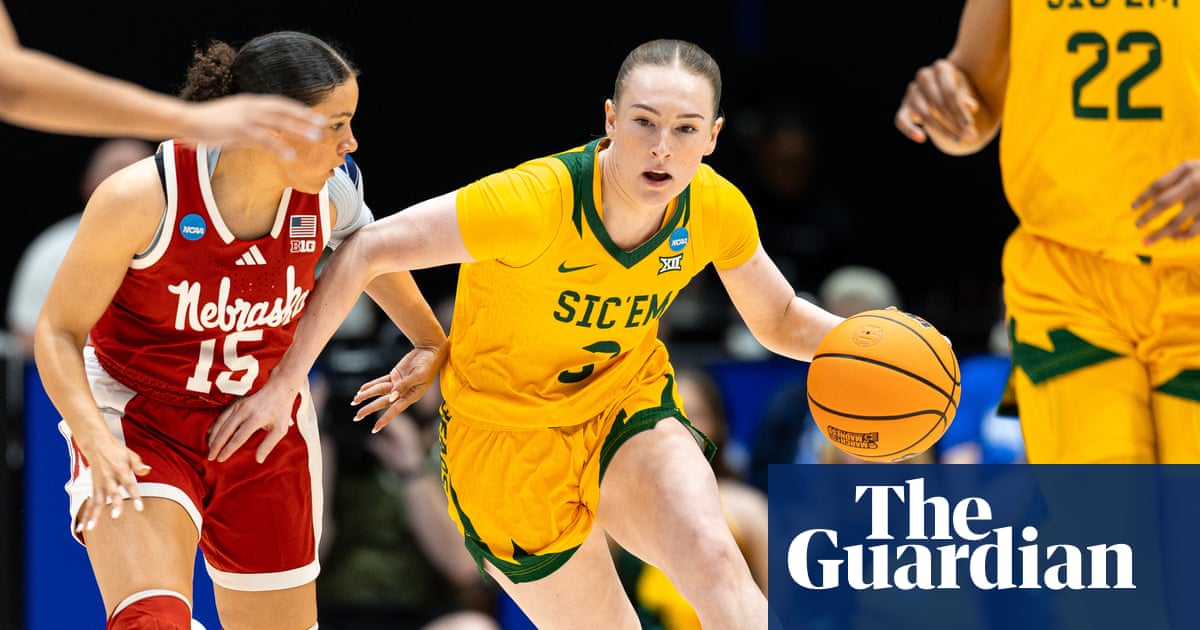
DURHAM, N.C. — Baylor's hard-fought 67-62 victory over Nebraska in the first round of the NCAA Women's Tournament on Friday serves as a microcosm of the broader inequities present in women's college basketball. While the Bears, a sixth seed with considerable resources, managed to overcome a nine-point fourth-quarter deficit, the Cornhuskers' near-upset highlights the uphill battle faced by programs with fewer resources and less visibility.
The game turned on a controversial flagrant foul call that went Baylor's way, a decision that could have easily swung the other direction. This incident raises questions about the impact of officiating on smaller programs who might not receive the same benefit of the doubt as their more established counterparts. Taliah Scott's 15 points led Baylor, but the victory was a collective effort fueled by a full-court press that exposed Nebraska's vulnerabilities.
Meanwhile, LSU's dominant 116-58 victory over Jacksonville underscores the growing chasm between the haves and have-nots in women's college basketball. LSU's ability to score over 100 points for the 15th time this season is a testament to their superior talent and resources. The Tigers' 38-13 advantage in points off turnovers highlights the disparity in team depth and coaching.
Duke's win over the College of Charleston, while comfortable, revealed potential areas for improvement. Coach Kara Lawson's frustration with her team's 20 turnovers underscores the importance of minimizing mistakes, especially for programs striving for championship contention. The fact that Charleston managed to score 22 points off those turnovers illustrates the potential for smaller programs to capitalize on opportunities.
The NCAA's stated commitment to gender equity must translate into tangible changes that level the playing field for all programs, regardless of their conference affiliation or historical prominence. This includes increased funding for women's basketball programs, improved facilities, and equitable media coverage. The dominance of perennial powerhouses like LSU and Duke should not come at the expense of smaller programs like Nebraska and Jacksonville, who deserve the opportunity to compete on a level playing field.
The success of women's college basketball hinges on creating a more equitable and inclusive environment for all participants.
These early tournament games serve as a reminder that systemic issues continue to impact the landscape of women's college sports.