Bills Trade for DJ Moore: A Boost for Allen, but Questions Remain About Resource Allocation
While Moore's arrival could improve the Bills' offense, critics question if the resources spent could have addressed deeper systemic needs within the Buffalo community.
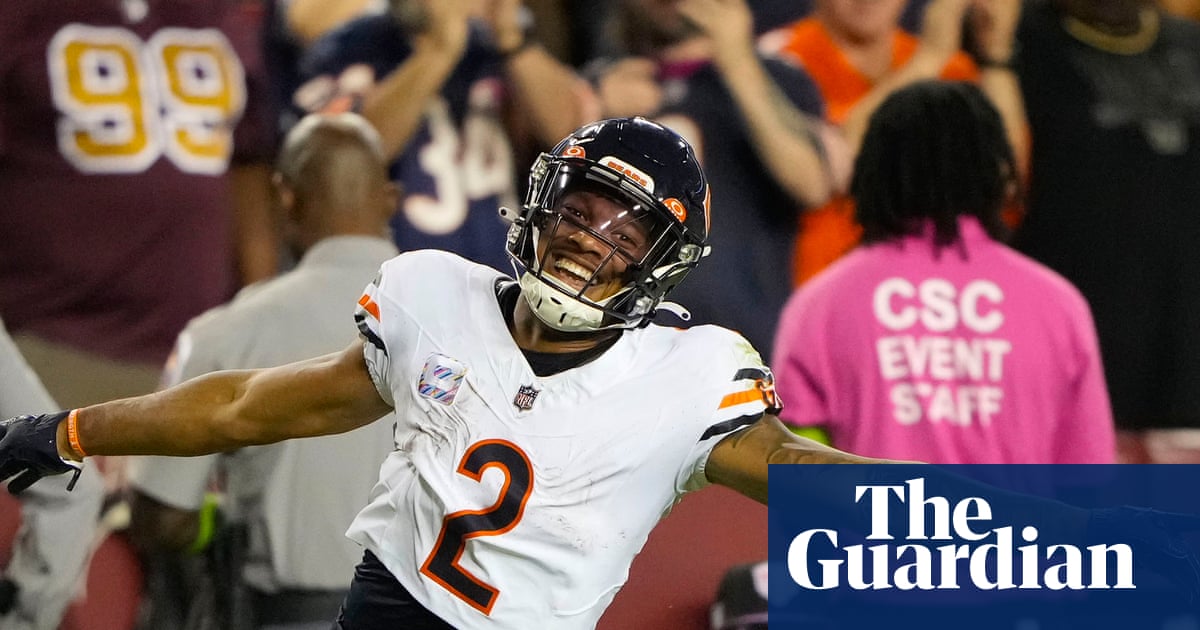
The Buffalo Bills' acquisition of wide receiver DJ Moore from the Chicago Bears, while potentially beneficial for quarterback Josh Allen, raises important questions about the allocation of resources within the community and the prioritization of sports over pressing social needs.
While the exact terms of the trade remain undisclosed, the investment in a high-profile player like Moore necessitates a critical examination of whether these funds could have been directed toward initiatives addressing poverty, education, or healthcare disparities within Buffalo. The new league year starting on March 11 will reveal the complete picture.
Moore's arrival is expected to alleviate some of the pressure on Allen, whose passing game has suffered from a lack of consistent receiving threats. He will join a receiving corps that includes Khalil Shakir, Dalton Kincaid, and Dawson Knox. The reunion with head coach Joe Brady, who previously coached Moore with the Carolina Panthers, offers a familiar connection. From 2020 to 2021, Moore thrived under Brady, surpassing 1,100 receiving yards each season.
However, critics argue that focusing solely on on-field performance overlooks the broader societal context. The city of Buffalo faces significant challenges, including economic inequality and limited access to essential services for many residents. The debate centers on whether prioritizing sports investments, even with the potential for economic benefits through tourism and local spending, truly addresses the root causes of these problems.
Moore's contract, which extends through 2029, will see him earn $23.5 million in 2026, a figure that could be re-directed to community programs, providing job training, or funding educational initiatives for underserved youth. This perspective doesn't diminish Moore's talent or potential contribution to the team but emphasizes the ethical responsibility of sports organizations to consider their impact on the wider community.
The Bears' decision to trade Moore stems from the emergence of younger receivers, Rome Odunze and Luther Burden. The availability of these rising stars allowed the Bears to justify the trade, focusing on developing talent internally. This decision contrasts with the Bills' approach of acquiring established players, highlighting different philosophies on team building and resource allocation.
Moore's past season, with career lows in receptions and receiving yards, raises concerns about his current performance level. This adds further weight to the argument that investing in community development might offer a more sustainable and equitable return than relying solely on the performance of a single player.