Dončić Injury Spotlights NBA's '65-Game Rule' Impact on Player Recognition
Luka Dončić's hamstring strain reignites debate over eligibility requirements and their disproportionate effect on star players.
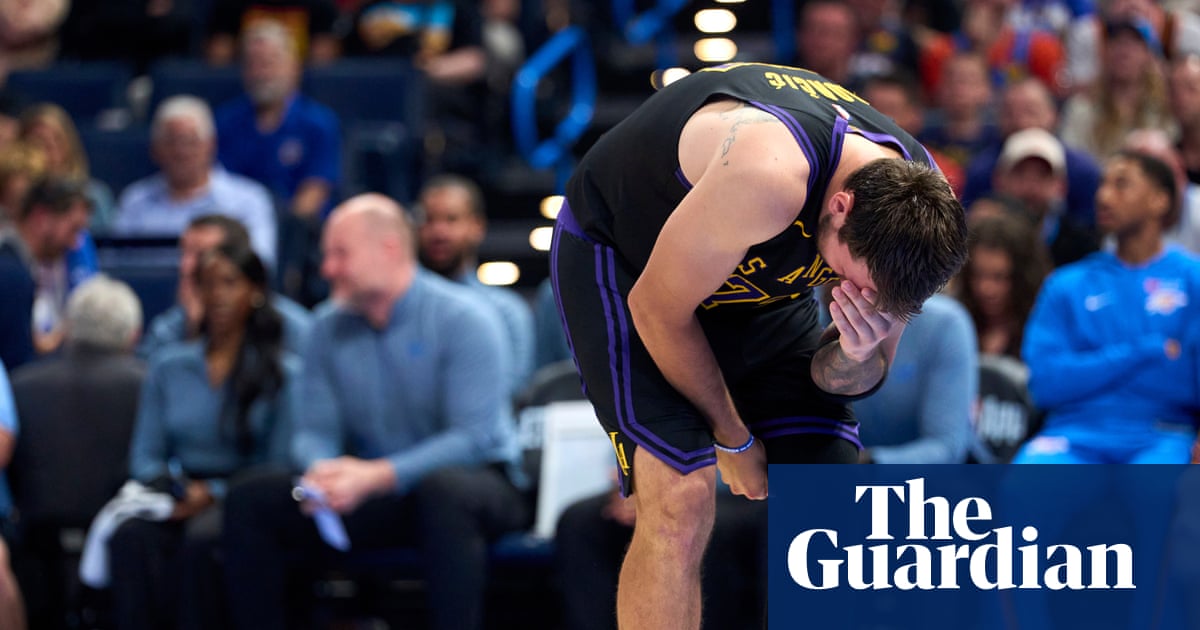
Luka Dončić's Grade 2 hamstring strain, sidelining him for the rest of the regular season, shines a harsh light on the NBA's contentious 65-game eligibility rule. While ostensibly designed to incentivize player participation, the rule disproportionately penalizes those already carrying a heavy load for their teams, raising questions about its fairness and long-term impact on player health and recognition.
The injury, sustained during the Los Angeles Lakers' loss to the Oklahoma City Thunder, not only jeopardizes the Lakers' playoff seeding but also threatens Dončić's chances of receiving individual accolades, despite his stellar performance as the league's leading scorer. This raises concerns about how the 65-game threshold may undervalue exceptional contributions made within a shorter timeframe, especially for players like Dončić, who shoulder significant responsibility on the court.
The rule, collectively bargained between the NBA and the National Basketball Players Association (NBPA), aims to ensure star players participate regularly, benefiting fans and the league's marketability. However, critics argue it disregards the physical toll of an increasingly demanding NBA schedule. The Lakers, currently third in the Western Conference with a 50-27 record, must now navigate the remaining five games without their star player.
The timing of Dončić's injury underscores the rule's potential pitfalls. He had played 64 games, just one shy of the eligibility mark, making his potential exclusion from All-NBA consideration particularly disheartening. This situation mirrors that of several other top players, including Stephen Curry, Jimmy Butler, Joel Embiid, Giannis Antetokounmpo, and Jayson Tatum, who are also unlikely to meet the threshold due to injuries or load management strategies.
This phenomenon raises broader questions about the league's priorities. Is it truly prioritizing player health and longevity, or is it primarily concerned with maximizing short-term revenue by pushing players to their limits? The 65-game rule, while intended to address load management, may inadvertently pressure players to play through minor injuries, potentially exacerbating them and leading to more serious long-term health issues.
Furthermore, the rule has implications for the perception of individual awards. By setting a rigid games-played requirement, the NBA risks diminishing the value of excellence demonstrated over a shorter period. This could de-incentivize players from giving their all in every game, knowing that their efforts may be rendered meaningless if they fall short of the arbitrary threshold.