Bodycam Footage Reveals Disparity in Treatment During Tiger Woods' DUI Arrest
While Woods pleads not guilty, the incident highlights the uneven application of justice in DUI cases, particularly regarding wealth and celebrity.
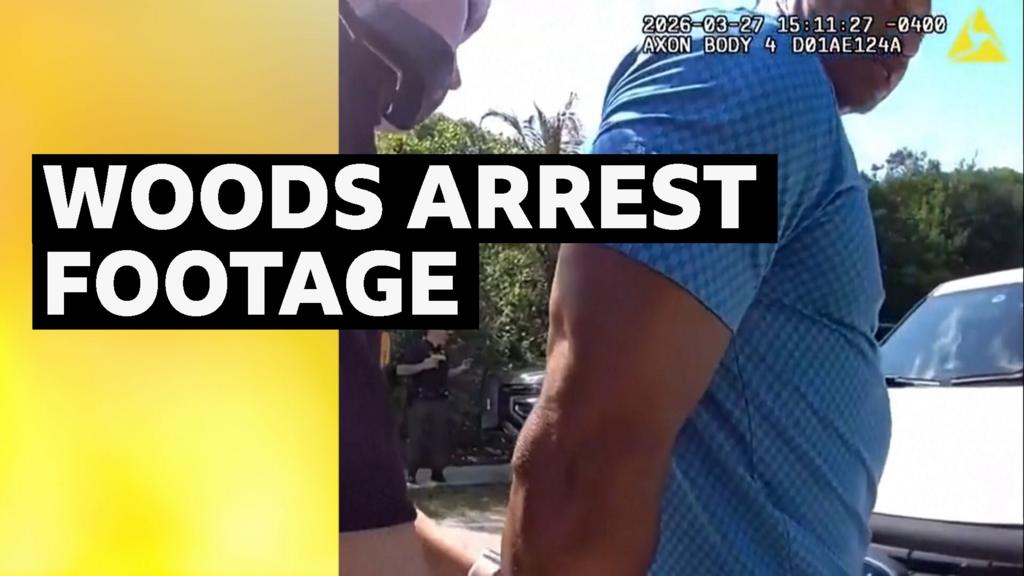
Bodycam footage released by the Martin County Sheriff's Office shows the arrest of Tiger Woods for driving under the influence (DUI) after a car crash, bringing to light broader questions of equitable justice in such cases. Woods, a 15-time major champion, also faces charges of property damage and refusal to submit to a lawful test. He has pleaded not guilty through his lawyers.
The release of this footage inevitably sparks discussions about the disparities within the legal system. While anyone driving under the influence poses a danger to the community, the treatment and consequences often vary widely depending on an individual's socioeconomic status and public profile.
For many, a DUI arrest can lead to immediate and severe consequences, including job loss, financial strain, and strained family relationships. These consequences are often compounded for individuals from marginalized communities who may lack the resources to navigate the legal system effectively.
Wealthier individuals, on the other hand, often have access to better legal representation, which can result in reduced charges, lighter sentences, or even dismissals. This raises concerns about a two-tiered system of justice, where the wealthy and well-connected receive preferential treatment.
The focus on Woods' refusal to submit to a lawful test further emphasizes these inequities. While the refusal itself is a legal matter, the potential for differential treatment in such situations raises concerns about equal application of the law.
Data suggests that drivers of color are disproportionately subjected to sobriety tests, raising questions about implicit bias in law enforcement. The optics of this case, involving a high-profile Black athlete, exacerbate these concerns.
The legal ramifications for Woods are significant, but it's crucial to consider the broader social context. The incident provides an opportunity to examine the ways in which wealth and celebrity can influence the legal process, potentially leading to more lenient outcomes compared to the average citizen.
Furthermore, the focus on individual accountability should not overshadow the need for systemic change. Addressing the root causes of substance abuse and providing equitable access to resources and support are crucial steps toward creating a more just and equitable society.
The attention surrounding Woods' arrest also allows for a broader conversation about the public health aspects of driving under the influence. Education and prevention programs play a vital role in reducing alcohol and drug-related traffic accidents.
It is vital that Woods' case not simply become another celebrity scandal but a catalyst for change. It is imperative to examine disparities within the justice system and work towards equitable outcomes for all, regardless of their socioeconomic status or public profile.
The justice system must evolve to provide the same access to fair treatment, regardless of race or class. Reforming this system will require consistent effort and dedication from all communities to ensure true equality.
As the legal proceedings unfold, it is vital to maintain a critical perspective, recognizing the potential for bias and advocating for equitable outcomes. Only through continued vigilance and commitment to justice can we ensure that the legal system serves all members of society fairly.