Cade Cunningham Injury Exposes Fragility of NBA Player Health Protections
Star's collapsed lung highlights need for stronger protocols amidst grueling season schedule.
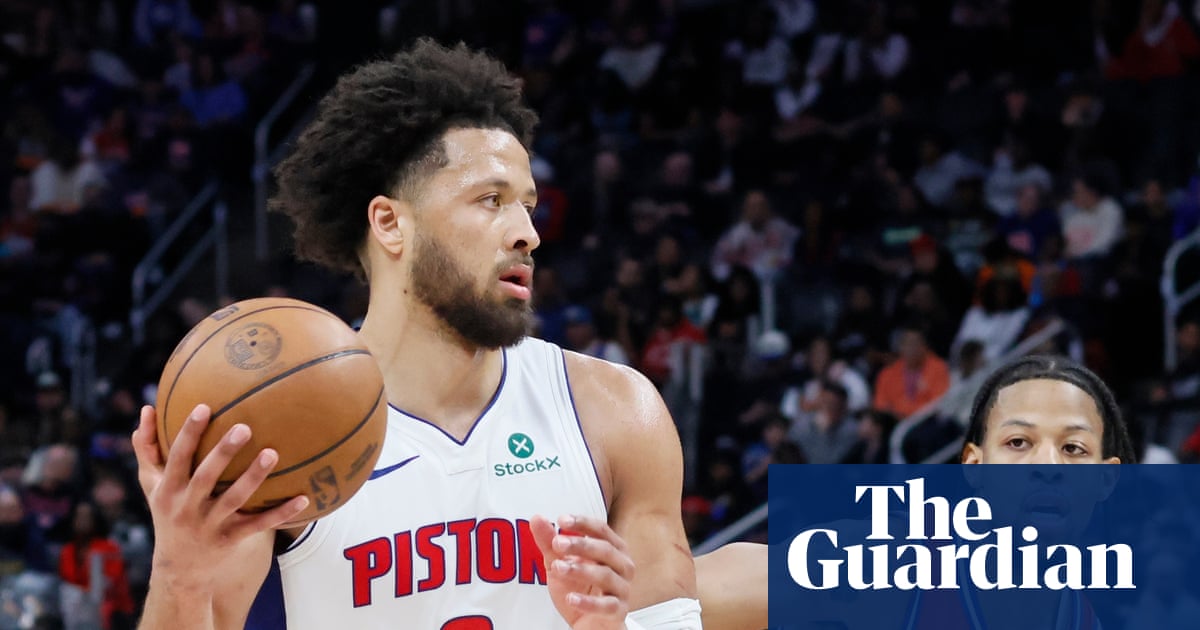
The unfortunate injury to Detroit Pistons star Cade Cunningham, diagnosed with a collapsed lung, underscores the persistent vulnerabilities faced by professional athletes within a demanding and often unforgiving system. While Cunningham's individual performance—averaging 24.5 points and 9.9 assists—propelled the Pistons towards their best season in nearly two decades, this setback illuminates the precariousness of player health within a league prioritizing revenue and demanding peak performance under immense pressure.
The Associated Press reported that Cunningham's absence is expected to be extended, with no firm timeline for his return. He sustained the injury during a seemingly innocuous collision in a game against the Washington Wizards. This incident raises critical questions about the cumulative impact of the NBA's demanding schedule on player health. The rigorous travel, back-to-back games, and intense physical exertion can increase the risk of injury, particularly lung-related issues, which are exacerbated by factors like air quality during travel.
It is crucial to examine the systemic factors that contribute to player vulnerability. The relentless pursuit of higher ratings and increased revenue often leads to compressed schedules and reduced rest periods. This situation disproportionately impacts players, particularly those like Cunningham who carry a heavy workload for their teams. As a potential All-NBA team selection, Cunningham's injury also raises concerns about the minimum game requirement for individual awards. The 65-game threshold, intended to reward consistent performance, inadvertently pressures players to compete even when not fully healthy, potentially exacerbating existing injuries or creating new ones.
The NBA Players Association (NBPA) has a responsibility to advocate for enhanced player health protections. This includes negotiating for more reasonable scheduling practices, increased investment in injury prevention and rehabilitation resources, and comprehensive air quality monitoring and mitigation strategies. Furthermore, the league should consider revisiting the eligibility criteria for individual awards to ensure that they do not incentivize players to prioritize short-term performance over long-term health.
Cunningham's injury provides an opportunity for a broader conversation about the ethical responsibilities of professional sports leagues towards their athletes. The well-being of players should not be sacrificed in the pursuit of financial gain. By prioritizing player health, the NBA can create a more sustainable and equitable environment for all participants.