Climate Crisis Fuels Snakebite Surge, Uninsured Man Risks Life for Universal Antivenom
As the climate crisis intensifies, a working-class man's dangerous self-experimentation offers hope for marginalized communities disproportionately affected by deadly snakebites.
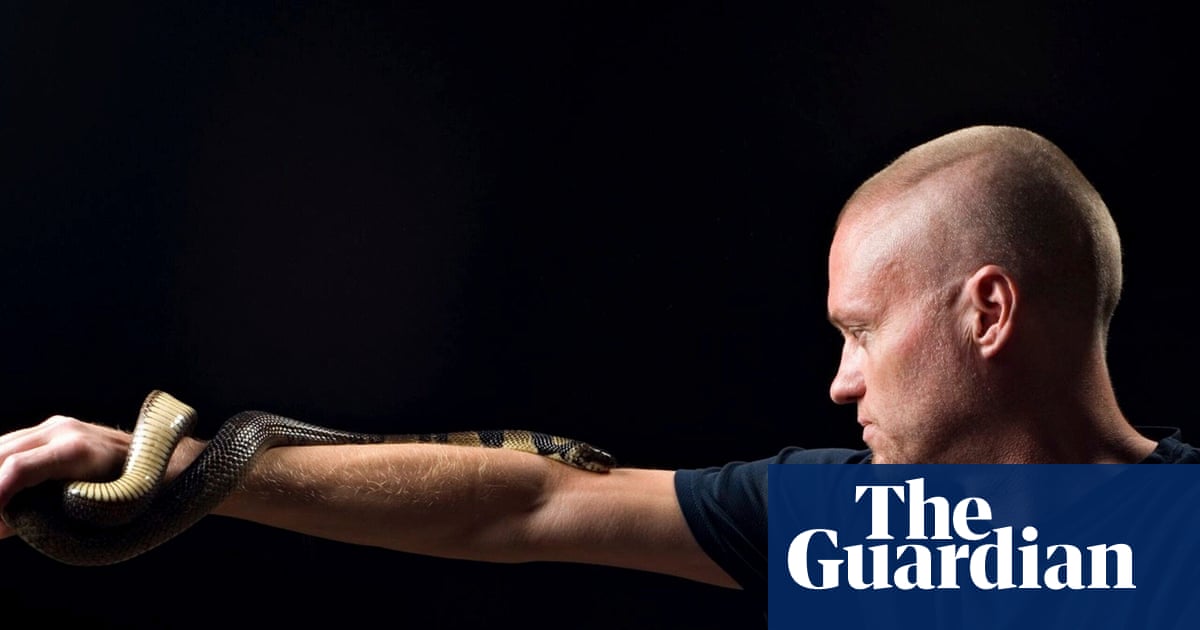
The escalating climate crisis is not only disrupting ecosystems but also exacerbating health disparities, as evidenced by the increasing incidence of snakebites, particularly impacting vulnerable populations in developing nations. Tim Friede, a 58-year-old window cleaner from Wisconsin, has taken an extraordinary and risky approach to address this crisis by intentionally subjecting himself to over 200 snakebites in pursuit of a universal antivenom.
Friede's motivations are rooted in a deep concern for the 138,000 lives lost and 400,000 disabilities caused annually by snakebites, primarily affecting marginalized communities in Asia and Africa. With limited access to healthcare and often lacking resources for specialized antivenoms, these communities bear the brunt of this neglected tropical disease. The climate crisis further compounds this injustice, as hotter temperatures and changing habitats lead to increased human-snake interactions, placing already vulnerable populations at greater risk.
While Friede's self-experimentation might seem unconventional, it highlights the urgent need for accessible and affordable healthcare solutions for neglected tropical diseases. The existing system, reliant on specific antivenoms for hundreds of snake species, often fails to reach those most in need. Centivax, a California-based vaccine company, aims to address this disparity by leveraging Friede's antibodies to develop a near-universal antivenom that could potentially save countless lives.
However, Friede's journey underscores the systemic failures that drive individuals to take such extreme measures. His lack of formal scientific training and reliance on self-experimentation in his basement reflects the limited access to resources and support for community-led healthcare initiatives. It also raises ethical questions about the safety and regulation of self-immunization practices, especially in the context of climate-sensitive health risks.
Jacob Glanville, CEO of Centivax, acknowledges the extraordinary nature of Friede's contribution, noting the potency of the venom he endured. Research indicates that Friede's antibodies can neutralize toxins from 19 snakes within the elapid family, demonstrating the potential for a broadly effective antivenom. A trial of this antivenom is scheduled to begin on pets in Australia this year, raising concerns about the prioritization of animal welfare over human needs in the development of life-saving treatments.