Killing of Al Jazeera Journalist Highlights Dangers for Press in Gaza
Mohammed Wishah's death underscores the risks faced by journalists reporting from conflict zones and raises concerns about the targeting of media by Israeli forces.
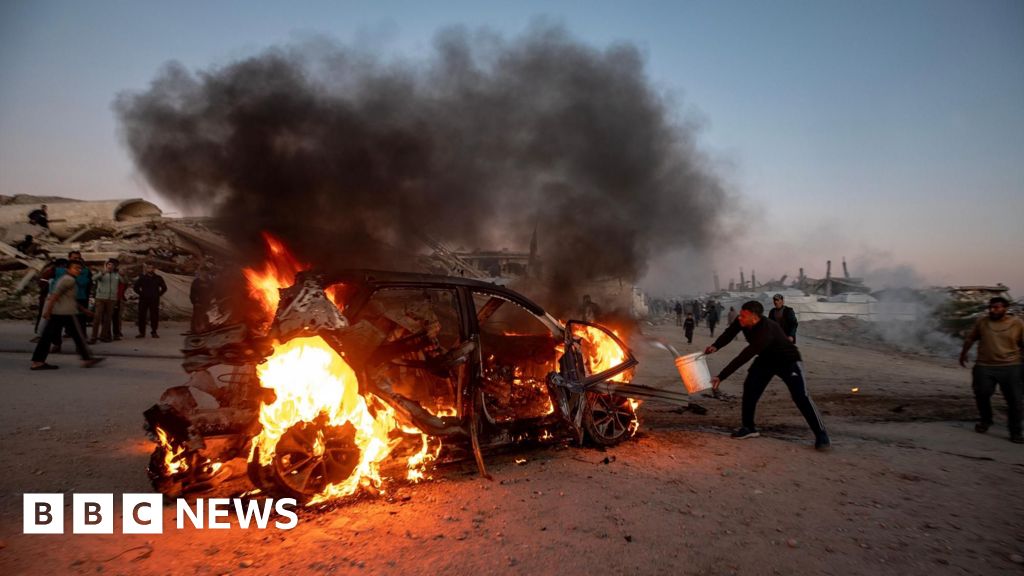
The killing of Al Jazeera journalist Mohammed Wishah in an Israeli strike in Gaza City has ignited outrage and renewed concerns about the safety of journalists operating in the region, particularly those reporting on the Israeli-Palestinian conflict. Wishah's death is a stark reminder of the perilous conditions under which journalists, often local Palestinians, work to bring news from Gaza to the outside world, especially given Israel's ban on foreign media entering the territory.
The Israeli military's claim that Wishah was a “Hamas terrorist” operating under the guise of a journalist raises serious questions about due process and the targeting of individuals based on alleged affiliations. The presentation of photos as evidence, purportedly found on a confiscated computer, offers limited transparency and raises concerns about the potential for misidentification or politically motivated targeting. The Committee to Protect Journalists (CPJ) and Reporters Without Borders (RSF) have consistently documented the dangers faced by journalists in Gaza, where they are often caught between warring parties and exposed to significant risks of injury or death.
Al Jazeera’s condemnation of Wishah's killing as a “deliberate and targeted crime” reflects the growing frustration and concern among media organizations about the increasing number of journalists killed or injured while covering the conflict. The network's pledge to pursue legal action underscores the need for accountability and independent investigations into such incidents, as well as calls for the protection of journalists under international law.
The killing comes against the backdrop of a six-month ceasefire that has proven increasingly fragile, with continued Israeli military actions and the dire humanitarian situation in Gaza. The Hamas-run health ministry in Gaza reports that over 72,310 people have been killed since the start of the war, highlighting the devastating impact of the conflict on civilians. The CPJ reports that Wishah is the 11th Al Jazeera journalist to be killed since October 7.
Beyond the immediate tragedy of Wishah's death, the incident points to systemic issues related to press freedom and the protection of journalists in conflict zones. The targeting of journalists, regardless of alleged affiliations, undermines the public's right to information and creates a chilling effect on reporting from areas where human rights violations and potential war crimes may be occurring.
The international community must demand greater transparency and accountability from all parties involved in the conflict, including thorough investigations into the deaths of journalists and clear commitments to protect media personnel. The reliance of international news outlets on local reporters within Gaza, due to Israel's restrictions on foreign media, further emphasizes the vulnerability of these journalists and the need for their protection.
The current situation demands a renewed focus on upholding international human rights laws and ensuring that journalists are able to carry out their work without fear of reprisal or violence. The killing of Mohammed Wishah should serve as a catalyst for increased scrutiny of the treatment of journalists in conflict zones and a renewed commitment to press freedom around the world. The international community needs to increase the pressure to allow foreign journalists to report freely from Gaza, ensuring independent and unbiased coverage of the conflict.
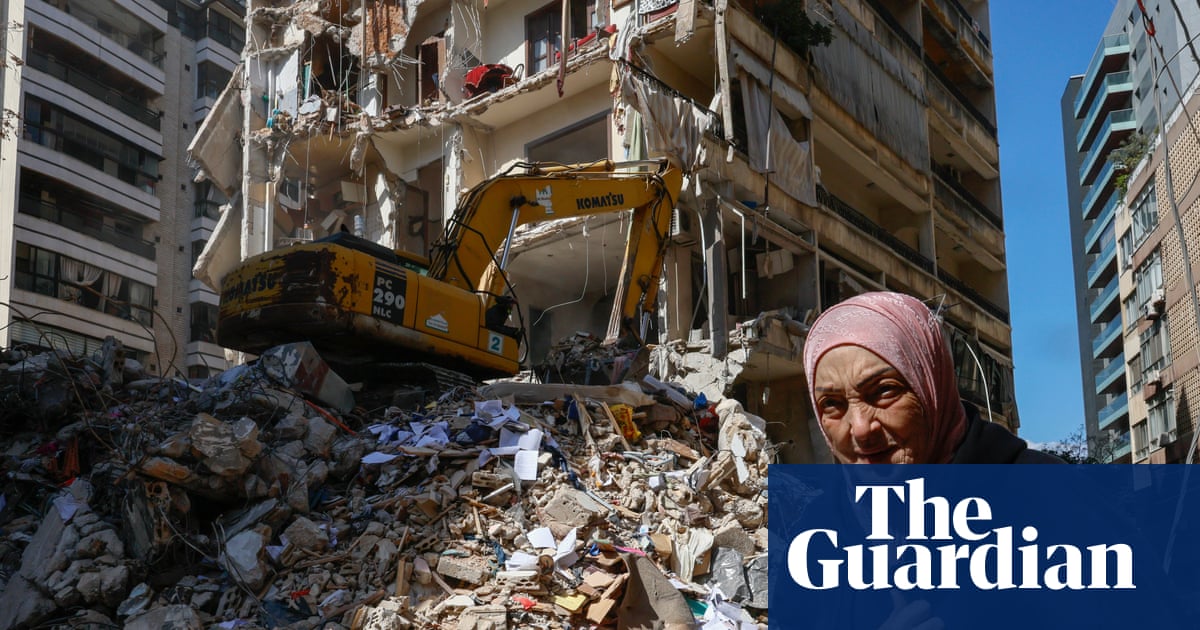
The deaths of Ghada Dayekh and Suzan Khalil in Lebanon this week further highlight the increasing dangers faced by journalists in the region.
Sources: * Committee to Protect Journalists (CPJ) * Reporters Without Borders (RSF) * Hamas-run health ministry in Gaza