Climate Crisis Threatens Migratory Bird Populations in Britain, Experts Warn
Declining warbler numbers highlight the urgent need for systemic action to protect vulnerable species and their habitats.
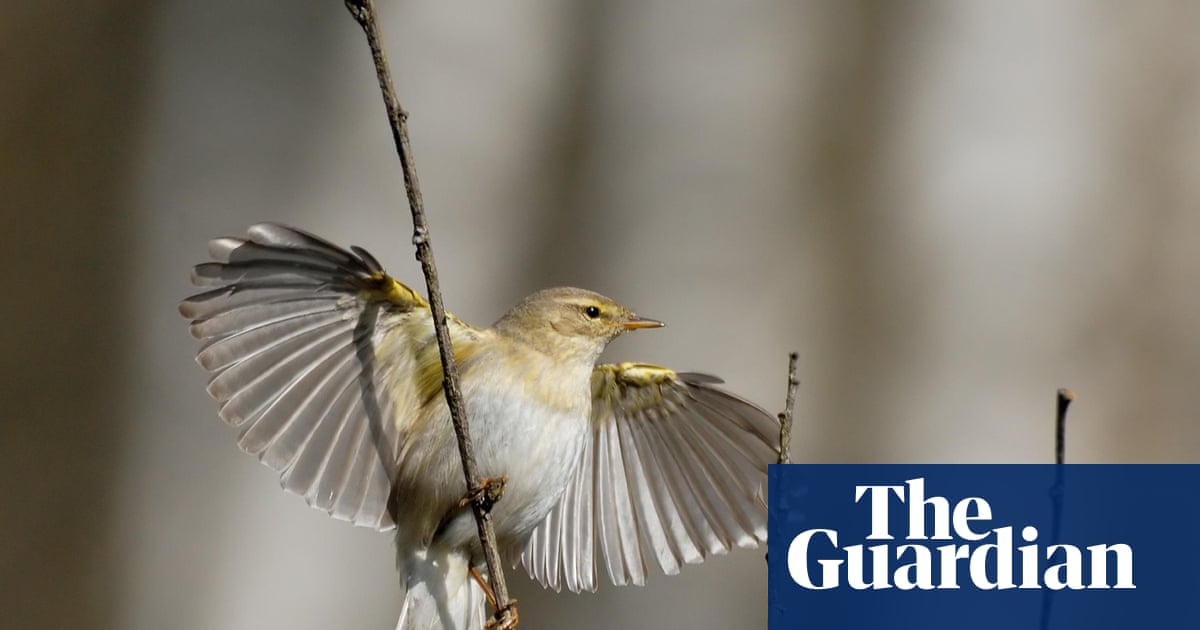
London — A new report from the British Trust for Ornithology (BTO) paints a concerning picture of the impact of the climate crisis on migratory bird populations in Britain. Despite a warm spring in 2025, several warbler species experienced significant population declines, underscoring the vulnerability of these birds to environmental changes.
The BTO's data, gathered by dedicated bird ringers, reveals that willow warbler, blackcap, garden warbler, and common whitethroat populations have suffered considerable losses. Sedge warblers, reed warblers, and lesser whitethroat also experienced declines, albeit less severe. The only species showing an increase was the chiffchaff, which winters closer to Britain, suggesting that proximity to breeding grounds offered some resilience.
These declines are not simply isolated incidents; they are symptoms of a larger systemic problem. The climate crisis is driving more extreme weather events, disrupting ecosystems, and threatening the habitats that migratory birds depend on. Habitat loss, both in Britain and in the birds' wintering grounds in Africa, further exacerbates the challenges these species face.
The BTO's breeding bird survey revealed similar trends, with declines in collared and turtle dove populations highlighting the widespread impact on avian biodiversity. While woodpigeon and stock dove numbers increased, the overall picture is one of growing vulnerability.
It is crucial to recognize that these are not just numbers on a page; they represent the loss of biodiversity and the potential unraveling of complex ecological webs. Migratory birds play vital roles in ecosystems, from pollination to pest control, and their decline can have cascading effects on the environment.
Addressing this crisis requires a multi-faceted approach. We must take immediate and decisive action to reduce greenhouse gas emissions and mitigate the impacts of climate change. This includes transitioning to renewable energy sources, investing in sustainable transportation, and promoting energy efficiency.
Furthermore, we must protect and restore habitats, both in Britain and in the birds' wintering grounds. This means investing in conservation programs, creating protected areas, and promoting sustainable land management practices. We also need to address the root causes of habitat loss, such as deforestation and agricultural expansion.