Desecration After Disaster: Theft Highlights Vulnerability After Bondi Attack
The alleged theft of a deceased victim's camera equipment reveals systemic failures in protecting vulnerable individuals in the wake of tragedy.
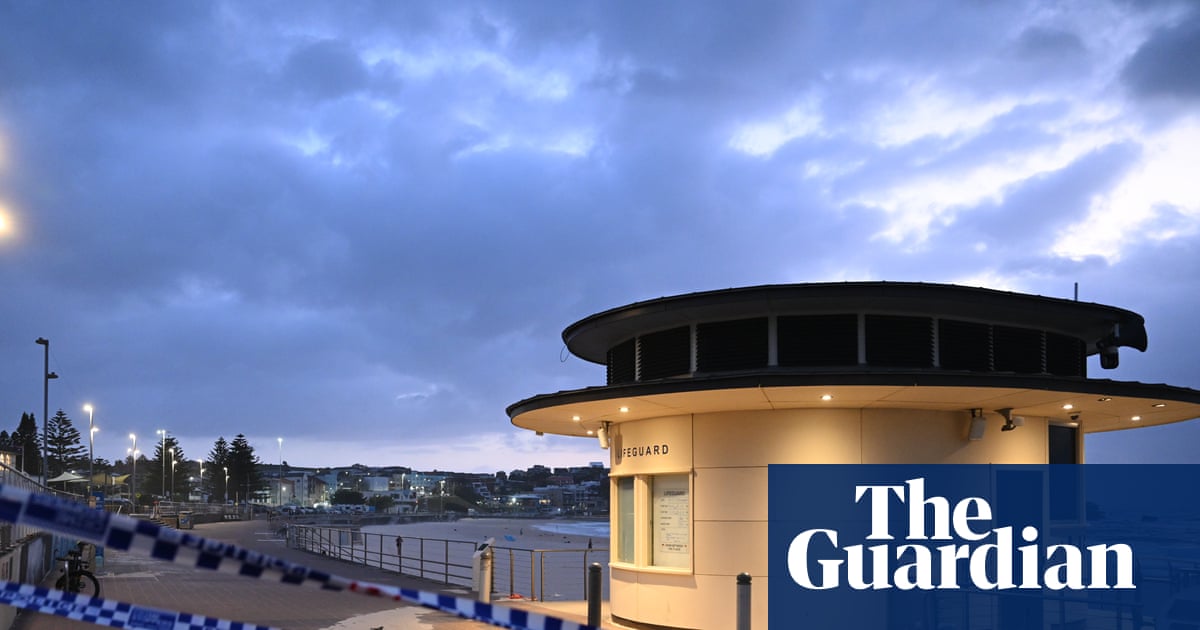
SYDNEY, Australia – The charging of a 35-year-old man with larceny and disposing of stolen property following the Bondi Beach terror attack has sparked outrage and highlighted the precarious situation of individuals in the aftermath of such events. The attack, which claimed 15 lives on December 14, has been further complicated by allegations of opportunistic theft.
Police allege the man, who attended a Hanukah event preceding the shooting, stole camera equipment from a 61-year-old retired police officer and photographer who was killed in the attack. The incident raises critical questions about the social safety net and the responsibility of authorities to protect victims and their belongings in chaotic post-disaster scenarios.
The incident occurred amidst the broader context of the Bondi Beach terror attack, which traumatized the community and exposed vulnerabilities in public safety. The alleged theft represents a secondary victimization, adding insult to injury for the families of the deceased.
Critics argue that the incident underscores the need for better-coordinated support services and security measures in the wake of terror attacks and other mass casualty events. They point to potential systemic failures in securing the area and protecting the belongings of victims.
The investigation into the theft has also raised concerns about the man’s potential motives and the broader social factors that might contribute to such behavior. While the legal process must take its course, it is important to consider the role of poverty, desperation, and lack of opportunity in driving individuals to commit crimes, particularly in moments of societal disruption.
The discovery of a small amount of white crystal powder and additional electronics during the search warrant execution also raises questions about potential substance abuse issues and the need for comprehensive social support programs for at-risk individuals. These programs should include mental health services, addiction treatment, and job training.
Advocates for victims' rights are calling for a thorough review of security protocols and resource allocation to ensure that individuals affected by terror attacks receive adequate protection and support. They argue that the state has a moral obligation to safeguard the dignity and property of victims, both during and after such tragedies.