DHS Escalates Attack on Progressive Staffer Amid Concerns Over ICE Facility Conditions
The Department of Homeland Security intensifies its accusations against a staffer for Rep. Veronica Escobar, even as she raises alarms about human rights abuses at a Texas ICE facility.
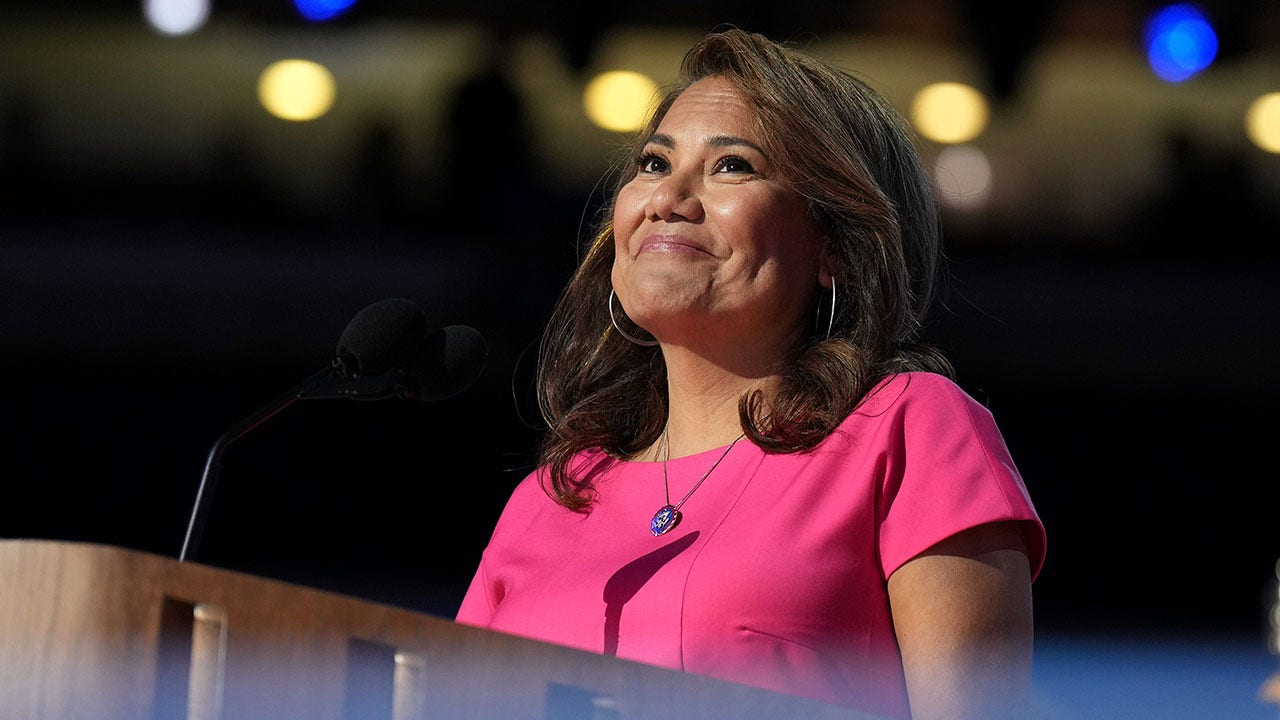
WASHINGTON – The Department of Homeland Security (DHS) has escalated its public campaign against Benito Torres, a staff member for Representative Veronica Escobar (D-Texas), releasing what it claims is additional evidence that Torres misrepresented himself to access an ICE facility. This move comes as Escobar has been a vocal critic of conditions at the Camp East Montana facility at Fort Bliss in El Paso, raising concerns about potential retaliation against a whistleblower.
According to the DHS, Torres, a senior caseworker for Escobar, allegedly impersonated an attorney for detainees to gain access to the facility. Acting ICE Director Todd Lyons initially notified Escobar of the allegations in March, requesting answers about Torres' alleged actions. The DHS has criticized Escobar for defending Torres and dismissing the claims on social media, instead of cooperating with their investigation.
Critics argue that the DHS's focus on Torres's alleged misrepresentation distracts from the broader issues Escobar has raised regarding the facility. These issues include reports of deaths (including a homicide), disease outbreaks (COVID-19, measles, and tuberculosis), waste, fraud, abuse, and a lack of adequate legal representation and medical care for detainees. The timing of the DHS's actions, some observers note, raises questions about whether the agency is attempting to silence dissent and obstruct congressional oversight.
The DHS released an image of a sign-in log purportedly showing Torres claiming to be a "lawyer" visiting a "client." ICE records suggest the misrepresentation first occurred in September 2025. A February 18 memo detailed an incident on January 23, where Torres allegedly claimed to be an attorney while seeking to meet with 22 detainees. The memo states that Torres was determined not to be a legal professional. The most recent incident allegedly happened on January 30.
Civil rights advocates have long raised concerns about the lack of transparency and accountability within ICE facilities. They argue that restrictions on access, particularly for legal representatives and congressional staff, hinder efforts to monitor conditions and ensure the humane treatment of detainees. In this context, the DHS's pursuit of Torres is seen by some as an attempt to further restrict access and prevent the exposure of potential abuses.
"Actions like Mr. Torres’ are meant to undermine ICE’s statutory mission to enforce immigration laws and remove illegal aliens from the interior," the DHS statement read. However, critics point out that ensuring the well-being and legal rights of detainees should also be part of ICE's mission, not an activity that is 'undermined' by oversight and transparency.
Escobar has described Torres as a "dedicated public servant" and "Army veteran," calling the accusations "unfounded." She has accused the Trump administration of retaliatory tactics, suggesting that the allegations are politically motivated. She points to the administration's history of targeting members of Congress and obstructing oversight.
The case of Benito Torres highlights the ongoing tension between immigration enforcement and the need for transparency and accountability in detention facilities. Advocates for immigrant rights argue that independent oversight is crucial to prevent abuses and ensure that detainees are treated with dignity and respect. The DHS's actions in this case raise questions about its commitment to transparency and its willingness to address legitimate concerns raised by members of Congress.
Fox News Digital has reached out to DHS and Escobar's office for comment.
Ultimately, the allegations against Torres and the broader controversy surrounding the conditions at Camp East Montana underscore the urgent need for comprehensive immigration reform and a more humane approach to immigration enforcement.