DHS Funding Deal Forgoes Vital ICE Reforms, Prioritizing Enforcement Over Accountability
As a Homeland Security shutdown looms, a Senate deal prioritizing agency funding over critical reforms to Immigration and Customs Enforcement leaves vulnerable communities at risk.
Washington, D.C. – A deal to fund the Department of Homeland Security (DHS) has been struck in the Senate, but it comes at the cost of much-needed reforms to Immigration and Customs Enforcement (ICE). The agreement, which passed the Senate and now heads to the House, includes no provisions to address concerns about ICE’s enforcement practices, raising fears among advocates for immigrant rights and civil liberties. The current funding impasse has stretched for 48 days.
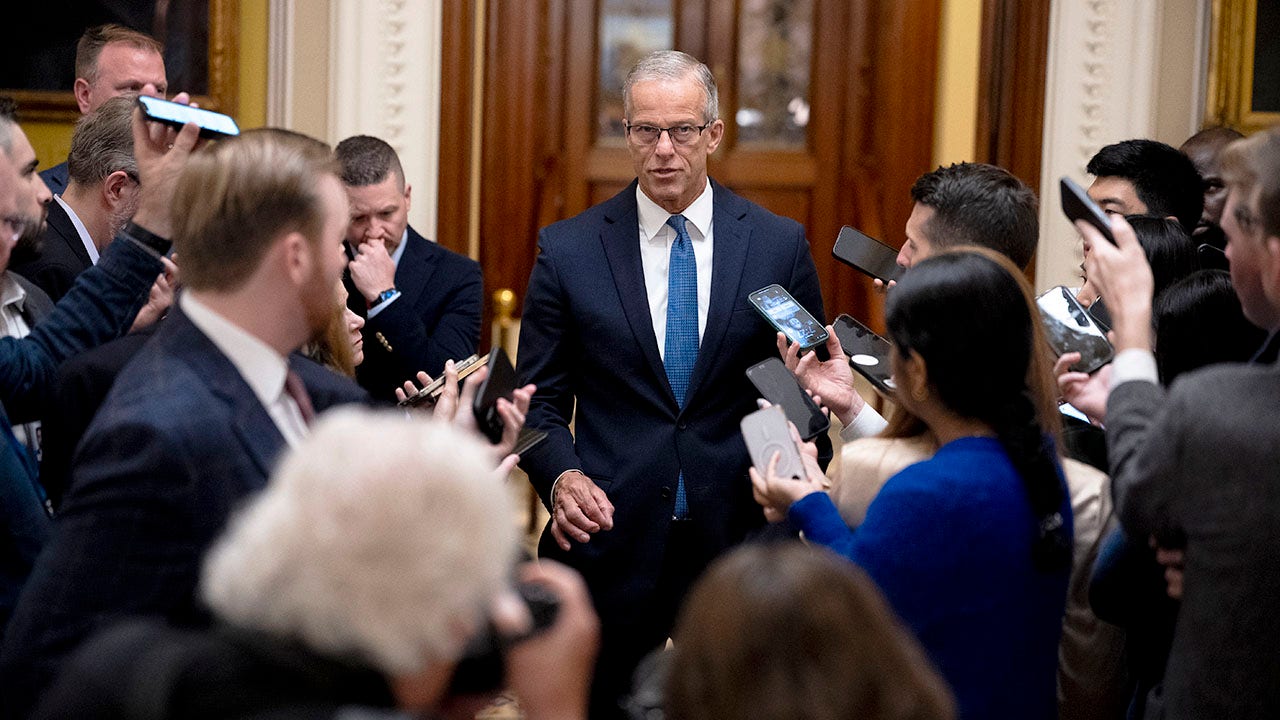
Senate Majority Leader John Thune, R-S.D., openly declared that Democrats received “zero” of the reforms they advocated for. This admission underscores the outcome of negotiations, which saw Democratic priorities sidelined in favor of maintaining the status quo in immigration enforcement. Thune’s remarks, made during an interview with Fox News, follow accusations that Republicans had caved during negotiations.
Senate Minority Leader Chuck Schumer, D-N.Y., claimed that House Republicans ultimately conceded, pointing to their retreat from pushing for a 60-day funding extension. Schumer stated that Democrats stood firm in their commitment to funding security while preventing what he termed a “blank check for reckless ICE and Border Patrol enforcement.” However, critics argue that the final deal still provides significant funding without addressing accountability concerns.
Democrats, led by figures like Representative Ilhan Omar, had sought reforms to ICE and Customs and Border Protection (CBP), including restrictions on agent activities and increased transparency. Omar stated at a town hall that Democrats blocked the DHS funding bill because it lacked immigration enforcement reforms, including the unmasking of ICE agents. She highlighted the detrimental impact of the funding impasse on essential agencies.
Thune countered that Democrats were driven by their “left-wing base demanding that no funding be provided.” He also pointed out that ICE and CBP were pre-funded through the end of the fiscal year, mitigating the immediate impact of the funding delay, a move that critics say lessened the pressure on Republicans to negotiate in good faith on reforms. Thune added that Republicans intend to use the budget reconciliation process to ensure future funding for immigration enforcement, further cementing a strategy of prioritizing enforcement over accountability.
The House is not expected to return to Washington, D.C., until April 13, adding to the uncertainty surrounding the final outcome. Advocates are now focusing on pressuring House members to reject the Senate deal and demand a more comprehensive approach that includes meaningful oversight of ICE and CBP.
The debate over DHS funding highlights a deeper struggle over immigration policy and the role of enforcement agencies. Progressive voices argue that the current system is riddled with abuses and that funding should be contingent on reforms that protect the rights and dignity of immigrants and asylum seekers.
For decades, ICE has faced scrutiny for its aggressive tactics, including raids, family separations, and due process violations. Critics argue that these practices undermine community trust, fuel discrimination, and violate fundamental human rights. The failure to address these concerns in the DHS funding deal represents a setback for efforts to promote a more just and humane immigration system.
Advocates are urging Congress to prioritize oversight and accountability measures, such as establishing independent review boards, strengthening whistleblower protections, and limiting the use of controversial enforcement tactics. They also call for increased investment in community-based alternatives to detention and deportation that have proven more effective and less costly.
The outcome of the upcoming House vote will determine the immediate path forward, but the broader fight for immigration reform and accountability is expected to continue. Advocates are committed to holding Congress and the administration accountable for ensuring that immigration policies are fair, just, and respectful of human rights.