DOJ's Voter Data Grab Sparks Privacy Fears, Official Resignation
Trump administration's push to collect and share sensitive voter information raises alarms about disenfranchisement and abuse of power.
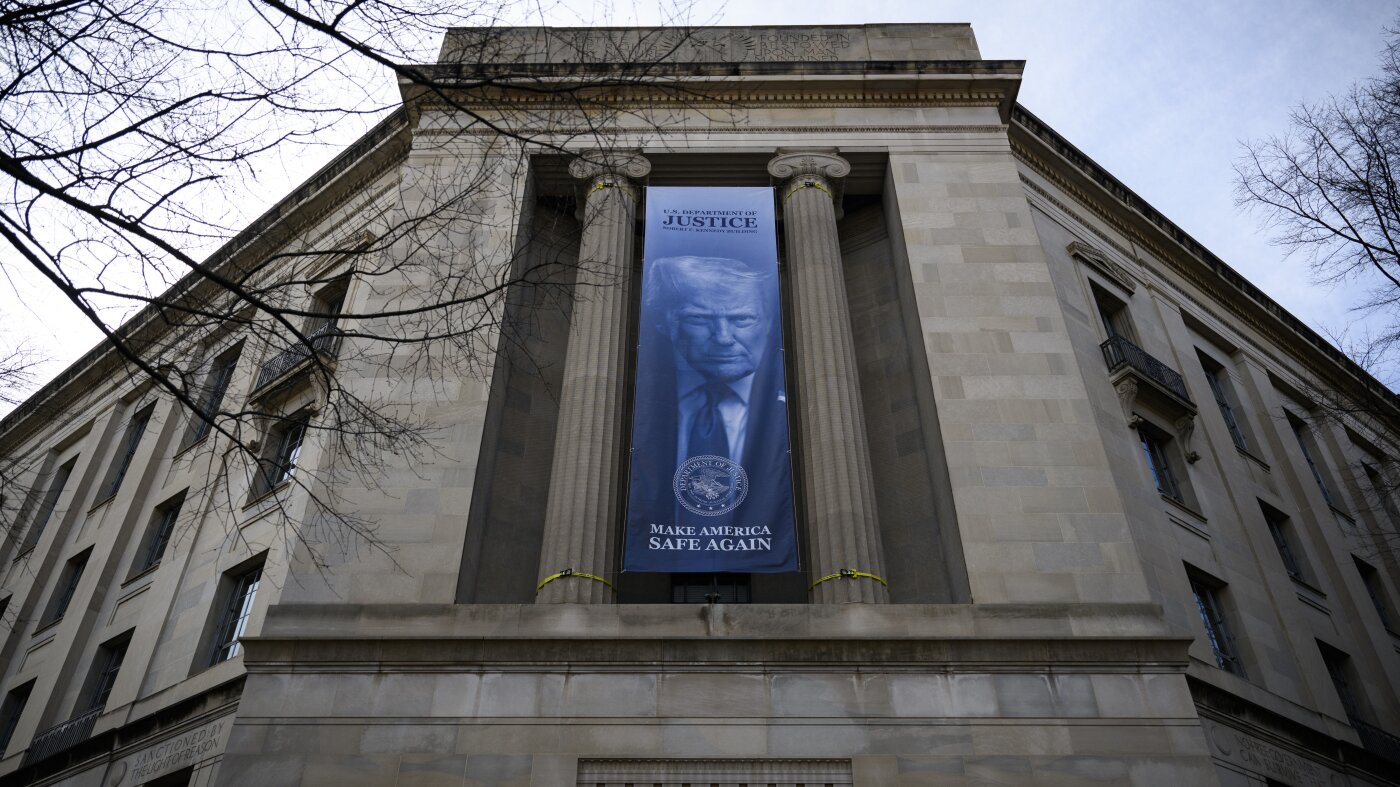
WASHINGTON — The Department of Justice (DOJ), under the Trump administration, is facing scrutiny following the resignation of a key privacy officer within its Civil Rights Division, amidst an aggressive campaign to acquire sensitive voter data from states and share it with the Department of Homeland Security (DHS). Kilian Kagle's departure, who was the chief FOIA officer and senior component official for privacy for the division, highlights growing concerns about the potential for voter suppression and privacy violations.
For nearly a year, the DOJ has been demanding extensive voter data from states, including highly sensitive information like driver's license numbers, partial Social Security numbers, dates of birth, and addresses. This unprecedented data grab raises serious questions about the administration's motives, particularly given its history of unfounded claims about widespread voter fraud and its attempts to undermine faith in democratic processes.
These demands, which in some instances, such as California, extend to party affiliation and voting history, have been met with resistance from numerous states concerned about violating voter privacy and the potential for misuse of the data. The DOJ has responded by suing over two dozen states, a tactic that many see as an intimidation strategy to force compliance with its overreaching demands.
This effort to amass voter data occurs against the backdrop of the Trump administration's continued investigation into the 2020 election, despite overwhelming evidence that the election was secure and that claims of widespread fraud are baseless. Sharing this data with DHS, and running it through the SAVE system to check for noncitizens and deceased individuals, is seen by many as a pretext for voter purges that could disproportionately affect marginalized communities and communities of color.
Federal judges in California, Oregon, and Michigan have already rejected the DOJ's data requests, citing violations of federal and state privacy laws and upholding the principle that states have the right to administer their own elections. Judge David Carter, in the California case, specifically noted that the DOJ's demand violated various federal privacy laws, as well as California state privacy law. This ruling underscores the legal and ethical concerns surrounding the DOJ's actions.
John Davisson, deputy director and director of enforcement at the Electronic Privacy Information Center, emphasizes the illegality and danger of the DOJ's actions, stating that the agency has no legal authority to maintain a massive database of state voter records. He also points out the DOJ's failure to issue public notices or privacy assessments, as required by law, further highlighting the administration's disregard for transparency and accountability.
While 17 mostly Republican-led states have complied with the DOJ's requests, the lack of transparency and the potential for misuse of this data remain a significant concern for voting rights advocates. The collection and sharing of this sensitive information could lead to discriminatory voter purges, chilling voter turnout, and undermining the integrity of elections.
The DOJ's actions echo historical efforts to suppress the vote, particularly targeting marginalized communities. The lack of transparency and the potential for misuse of this data are reminiscent of discriminatory practices used to disenfranchise voters in the past. The resignation of Kilian Kagle serves as a stark reminder of the ethical and legal implications of the DOJ's actions.
This situation demands heightened scrutiny and resistance from civil rights organizations, state governments, and concerned citizens to protect the right to vote and prevent the erosion of democratic principles. The DOJ's attempt to centralize and control voter data poses a grave threat to the integrity of elections and the fundamental rights of all Americans.
Sources:
* United States Department of Justice * Electronic Privacy Information Center (EPIC) * U.S. District Court for the Central District of California