FedEx Driver's Admission Highlights Systemic Failures in Child Safety and Corporate Responsibility
The tragic death of Athena Strand exposes vulnerabilities in hiring practices, oversight of delivery services, and the need for increased protections for children.
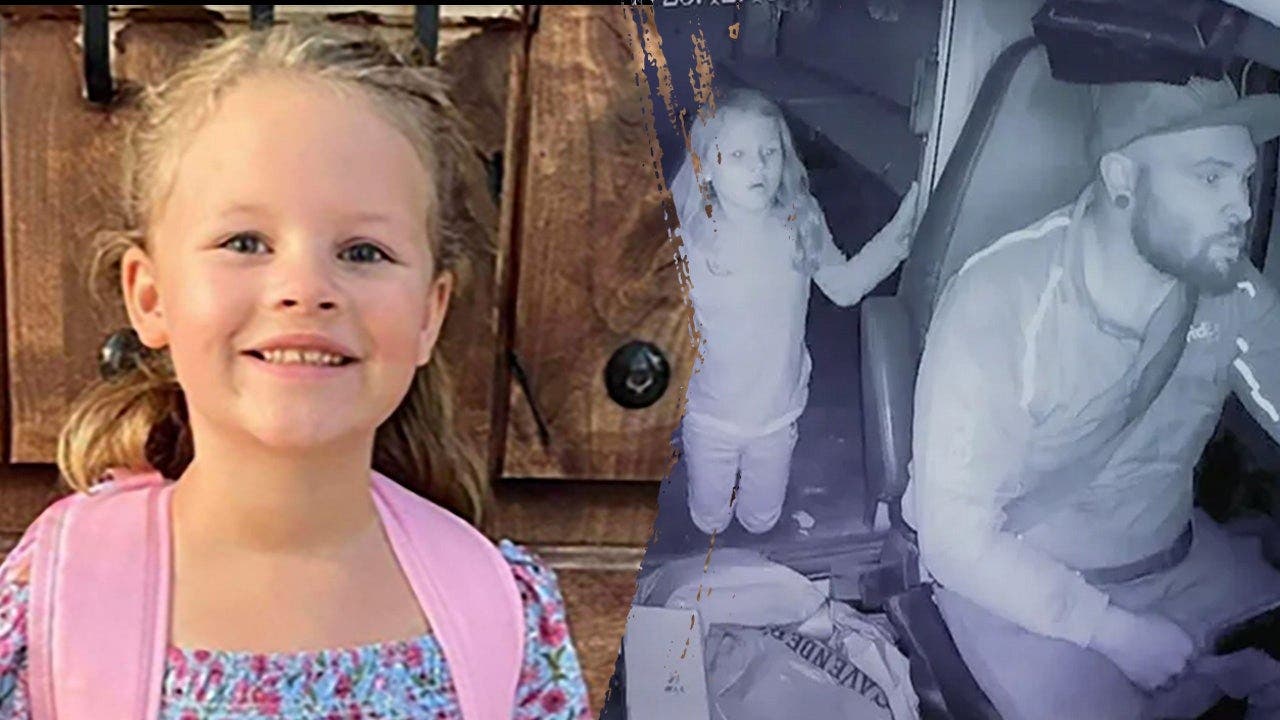
The horrific admission by Tanner Horner, a FedEx driver who confessed to dumping the body of 7-year-old Athena Strand after murdering her, underscores the urgent need for systemic reforms to prevent future tragedies. While Horner is being held accountable for his heinous act, the circumstances surrounding Strand's death raise critical questions about corporate responsibility, background checks, and the societal factors that contribute to violence against children.
Horner's ability to abduct and murder Strand while on duty as a FedEx driver points to potential failures in the company's hiring and screening processes. Were adequate background checks conducted? Were there any red flags in Horner's past that were overlooked? These are questions that must be answered to ensure that corporations are not unwittingly placing individuals with violent tendencies in positions of trust.
Furthermore, the incident highlights the vulnerability of children in communities where delivery services have become ubiquitous. As online shopping continues to surge, delivery drivers are increasingly present in residential areas, creating opportunities for exploitation. Stricter regulations and oversight are needed to protect children from potential harm.
The prosecution's revelation of potential sexual assault adds another layer of horror to the case, underscoring the devastating impact of sexual violence on children. It also reinforces the importance of comprehensive sex education and prevention programs to address the root causes of this pervasive problem.
The lawsuit filed by Athena Strand's father against Horner, FedEx, and the contractor that hired him underscores the complex web of accountability in such cases. While Horner bears direct responsibility for his actions, FedEx and its contractor may also be held liable for negligence in their hiring and oversight practices.
This tragedy should serve as a catalyst for broader societal change. We must invest in programs that support families, promote child safety, and address the underlying causes of violence. This includes expanding access to mental health services, addressing poverty and inequality, and challenging harmful cultural norms that perpetuate violence against women and children.
Ultimately, the death of Athena Strand is a painful reminder of our collective responsibility to protect the most vulnerable members of our society. By addressing the systemic failures that contributed to this tragedy, we can work towards creating a safer and more just world for all children.
The prevalence of violence against women, and the objectification of women and girls in the media, create a culture in which such crimes are more likely to occur. Addressing these societal issues requires a multi-faceted approach, including media literacy education, challenging gender stereotypes, and promoting respectful relationships.
The focus should be on prevention, ensuring that children are safe and have opportunities to thrive. This means investing in communities, schools, and families to create a supportive environment for children's development.
The case also raises questions about the criminal justice system's response to crimes against children. Is the system adequately equipped to handle these complex cases? Are there sufficient resources available to support victims and their families? These are important questions that policymakers and advocates must address.
In conclusion, the tragic death of Athena Strand serves as a wake-up call. It is a reminder that we must do more to protect children from violence and exploitation. By addressing the systemic failures that contributed to this tragedy, we can work towards creating a safer and more just world for all.
Furthermore, the exploitation of workers by companies like FedEx, who often rely on independent contractors with minimal oversight, must be addressed. These companies prioritize profit over safety and accountability, creating a dangerous environment for both workers and the communities they serve. Stronger labor laws and increased regulation are needed to hold these companies accountable and ensure the safety of everyone.