Figure Skating Worlds: A Second Chance, But Systemic Barriers Remain
While Worlds offers athletes a shot at redemption, issues of citizenship and partnership controversies highlight deeper inequities in the sport.
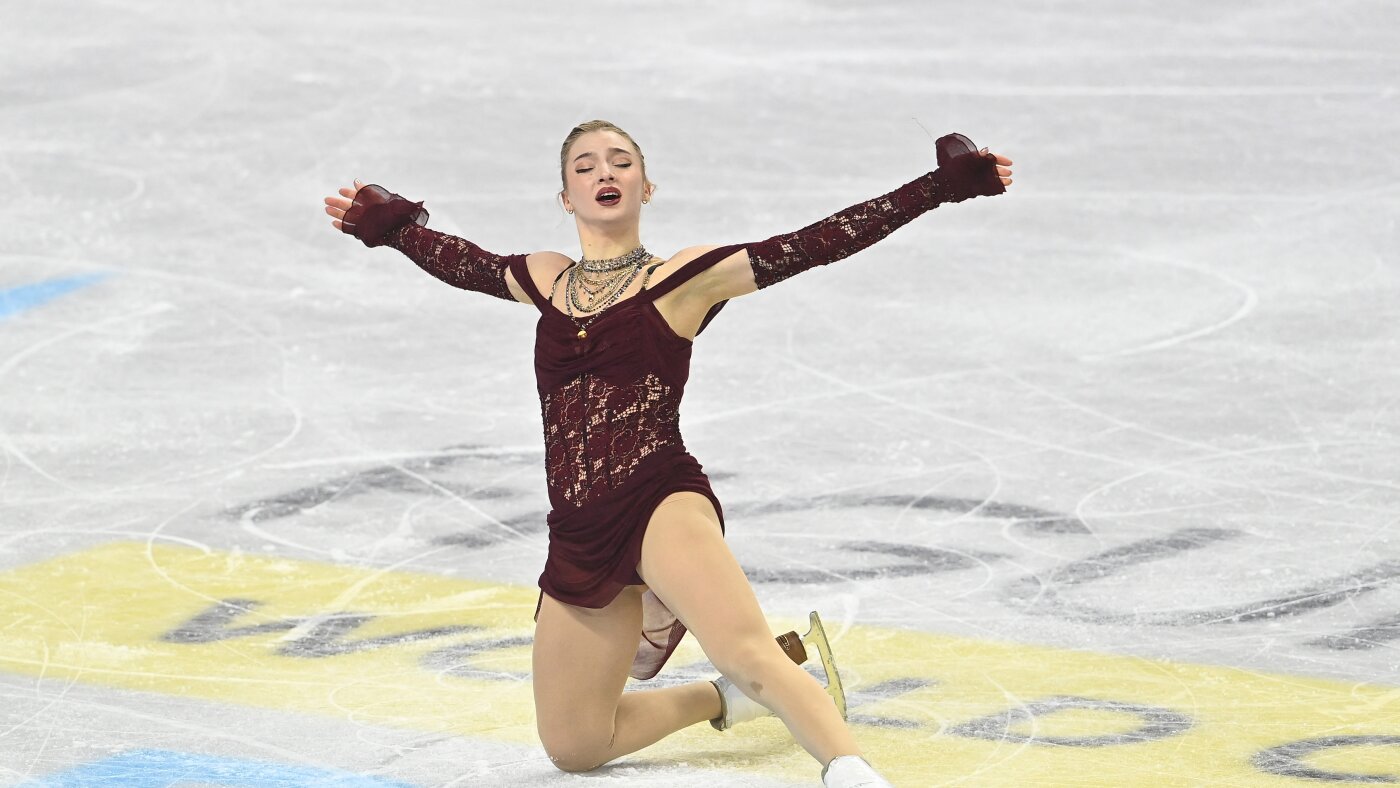
The ISU Figure Skating World Championships in Prague provide a stage for athletes seeking to redefine their narratives after the Milan Cortina Olympics. While this event offers a crucial second chance, it also exposes the systemic inequities that plague international sports, from citizenship hurdles to partnership controversies that disproportionately affect certain athletes.
Several Olympians, including Alysa Liu and Madison Chock and Evan Bates, have opted out of Worlds, prioritizing their well-being after the intense Olympic season. This underscores the immense pressure athletes face and the importance of accessible mental health resources within sports organizations.
Amber Glenn's performance in the women's short program, where she landed the triple jump that may have cost her an Olympic medal, highlights the psychological toll of high-stakes competition. Glenn's ability to rebound and potentially medal at Worlds demonstrates resilience, but also begs the question: what support systems are in place to help athletes navigate these pressures consistently?
"It's great being able to go into the free skate not feeling like I'm clawing my way up through the ranks for once," Glenn stated, indicating a system where athletes often feel they are constantly fighting for recognition and opportunity. This competitive environment can exacerbate inequalities and limit access to resources for skaters from marginalized communities.
Ilia Malinin's reflections on the Olympics underscore a growing awareness of the need for a holistic approach to athlete development, one that emphasizes mental well-being alongside technical skill. Malinin's statement about finding enjoyment and releasing expectations signals a positive shift, but sports organizations must actively foster a culture that supports this mindset across all levels.
The case of Alisa Efimova and Misha Mitrofanov, who missed the Olympics due to Efimova's citizenship status, reveals the arbitrary and exclusionary nature of citizenship requirements in international sports. Efimova's green card status was insufficient, denying her and Mitrofanov the chance to compete on the world stage. This situation highlights the need for advocacy and policy changes to address these systemic barriers.
The partnership between Laurence Fournier Beaudry and Guillaume Cizeron, formed due to controversies involving their former partners, reveals the vulnerabilities within athlete partnerships. It is crucial to examine the underlying power dynamics and ensure that reporting mechanisms are in place to address misconduct and protect athletes.
The victories of Minerva Fabienne Hase and Nikita Volodin (Germany), Anastasiia Metelkina and Luka Berulava (Georgia), and Lia Pereira and Trennt Michaud (Canada) in the pairs competition demonstrate the global reach of figure skating. However, it is equally important to ensure that resources and opportunities are distributed equitably, empowering athletes from all nations to reach their full potential.
The Figure Skating World Championships provide more than just athletic competition; it provides the opportunity to advocate for greater equity and inclusivity within the sport.