Fisherman's Shark Rescue Highlights Need for Coastal Conservation and Responsible Fishing
A young fisherman's daring rescue of a stranded great white shark raises questions about the impact of human activity on vulnerable marine ecosystems and the importance of conservation efforts.
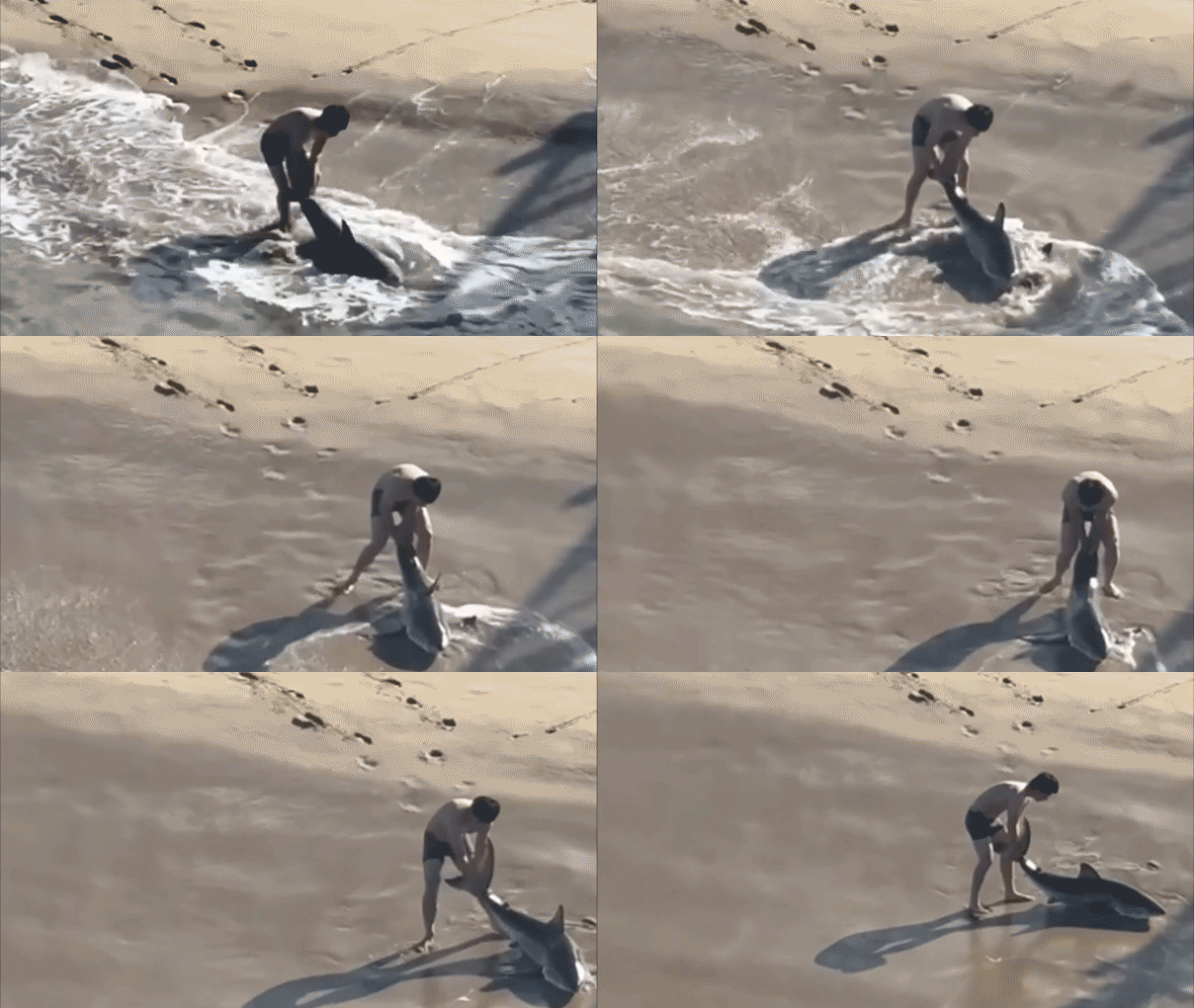
HERMOSA BEACH, Calif. – The recent rescue of a great white shark by a young fisherman off the coast of Hermosa Beach, California, serves as a stark reminder of the delicate balance between human activity and the health of our marine ecosystems. Kevin Phan, 20, risked his own safety to free a juvenile shark caught on his fishing line, an act that underscores both the potential for human compassion and the urgent need for responsible coastal management.
The incident occurred at approximately 9 a.m. on Wednesday, when Phan, fishing from a pier, inadvertently hooked a great white shark. Video footage shows him bravely entering the water to disentangle the distressed animal, ultimately guiding it back to safety.
While Phan's actions are commendable, the incident raises critical questions about the sustainability of current fishing practices and their impact on shark populations. Juvenile great white sharks, as noted by studies from California State University at Long Beach, frequently gather near the shore to feed, making them particularly vulnerable to accidental encounters with fishing gear.
The presence of these sharks so close to shore is also indicative of broader environmental challenges. Climate change, pollution, and habitat destruction are all contributing factors that can alter marine ecosystems and force animals to seek food and shelter in less-than-ideal locations. Overfishing can deplete the food sources of sharks, driving them closer to human populations in search of sustenance.
Witness accounts, such as that of Stephen Copeland, who noted Phan's claim of rescuing a second shark that day, suggest that such encounters may be more common than previously thought. This underscores the need for increased monitoring and data collection to better understand shark behavior and population dynamics in the region.
The incident also highlights the need for greater education and awareness among anglers about responsible fishing practices. This includes using appropriate gear, avoiding known shark habitats, and knowing how to safely release accidentally caught sharks. Furthermore, stricter regulations may be necessary to limit fishing in sensitive areas and protect vulnerable species.
Beyond individual actions, systemic changes are needed to address the root causes of these issues. This includes investing in clean energy to combat climate change, reducing plastic pollution in our oceans, and strengthening protections for marine habitats. It also requires a commitment to environmental justice, ensuring that coastal communities, often disproportionately impacted by environmental degradation, have a voice in decision-making processes.
Phan’s bravery should inspire us to take action to protect our oceans and the creatures that inhabit them. By embracing responsible fishing practices, supporting conservation efforts, and advocating for systemic change, we can ensure that future generations have the opportunity to coexist peacefully with these magnificent animals.
Moreover, the economic impact on local communities reliant on healthy marine ecosystems must be considered. Declining fish populations and increased shark encounters can negatively affect tourism and fishing industries, further exacerbating existing inequalities. A comprehensive approach to coastal management should prioritize both environmental sustainability and economic justice.
The long-term health of our oceans depends on our willingness to address these challenges collectively. By prioritizing conservation, promoting responsible fishing practices, and investing in sustainable solutions, we can create a more equitable and sustainable future for both humans and marine life.
Sources:
* California Department of Fish and Wildlife: [https://wildlife.ca.gov/](https://wildlife.ca.gov/) * Environmental Protection Agency (EPA), Oceans and Coasts: [https://www.epa.gov/ocean-coasts](https://www.epa.gov/ocean-coasts) * California State University, Long Beach, Shark Lab: [https://www.csulb.edu/shark-lab](https://www.csulb.edu/shark-lab)