'Great Marshmallow Drop' Highlights Need for Equitable Access to Joyful Community Events
While the 'Great Marshmallow Drop' provided a fun experience for some children, questions arise about accessibility, sustainability, and the potential for more inclusive community engagement.
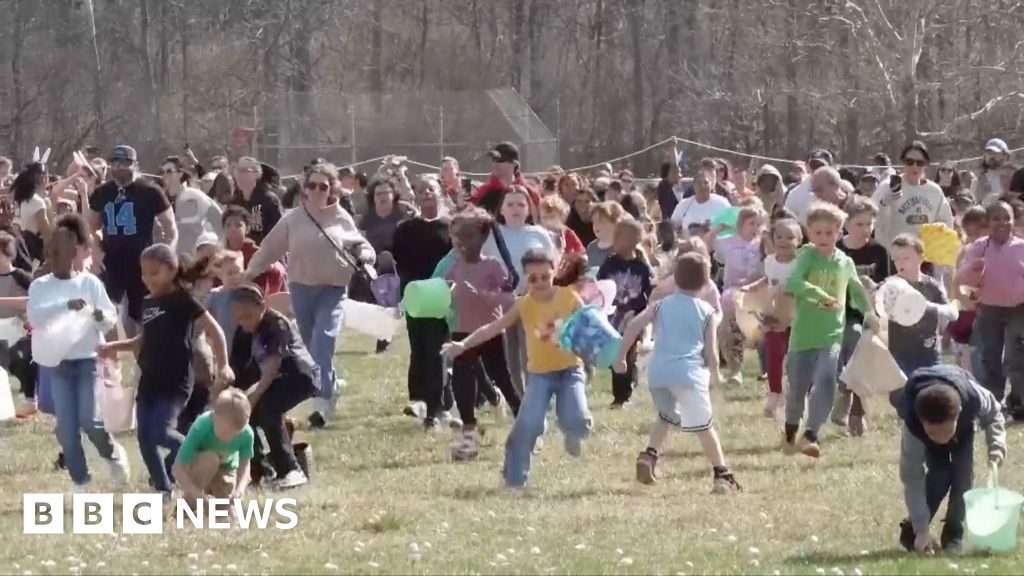
Michigan – The annual 'Great Marshmallow Drop,' where over 15,000 marshmallows were released from a helicopter for children to collect, raises questions about equitable access to community events and the environmental impact of such activities.
While the event undoubtedly brought joy to many children, it's crucial to consider who is able to participate. Factors like transportation, time constraints, and physical accessibility can limit participation for families from marginalized communities. Are resources being allocated to ensure that all children, regardless of their socioeconomic status or physical abilities, have the opportunity to experience events like this?
Furthermore, the environmental impact of releasing 15,000 marshmallows should not be ignored. Marshmallows are primarily composed of sugar, corn syrup, and gelatin, which are not biodegradable. The environmental consequences of this sugary shower need careful consideration. Sustainable alternatives or biodegradable options should be explored to minimize the event's ecological footprint.
Events like the 'Great Marshmallow Drop' often benefit from community resources, including volunteer time and potentially public funding. It is essential to examine how these resources are distributed and whether they are being used in the most equitable and sustainable way possible. Could these resources be better allocated to address more pressing community needs, such as food insecurity or affordable housing?
The celebration of community events should be balanced with a critical examination of their social and environmental impact. While the 'Great Marshmallow Drop' may provide a temporary moment of joy, it is important to consider the long-term consequences and whether the event truly serves the best interests of the entire community.
Beyond the marshmallow drop itself, it's important to question the underlying values promoted by such events. Does the emphasis on consumerism and sugary treats reinforce unhealthy habits? Are there opportunities to incorporate educational components that promote healthy lifestyles and environmental awareness?
The use of a helicopter also raises questions about carbon emissions and noise pollution. Alternatives, such as distributing marshmallows in a more environmentally friendly manner, should be explored. A community forum could be held to solicit ideas and ensure that future events are more sustainable and inclusive.
Ultimately, the 'Great Marshmallow Drop' serves as a microcosm of broader societal issues. It highlights the need for greater attention to equity, sustainability, and community engagement. By critically examining the social and environmental impact of such events, we can work towards creating a more just and sustainable society for all.
The event also prompts reflection on the types of activities that are prioritized and celebrated within the community. Are there sufficient resources allocated to support arts and cultural programs, educational initiatives, and community services that benefit all residents?
Moving forward, event organizers should prioritize inclusivity and sustainability. This could involve partnering with local organizations to provide transportation assistance, offering childcare services, and sourcing biodegradable alternatives to marshmallows. Transparency and accountability are essential to ensure that community resources are being used in a way that benefits everyone.
By engaging in critical reflection and taking concrete steps to address these concerns, the 'Great Marshmallow Drop' can evolve from a simple sugary spectacle into a meaningful and inclusive community event.
Sources:
* Environmental Protection Agency (EPA) * Brookings Institution - Metropolitan Policy Program