Greece's Social Media Ban for Youth Raises Questions of Equity and Access
While intended to protect children's mental health, the ban highlights the need for a comprehensive approach to digital well-being that addresses underlying systemic issues.
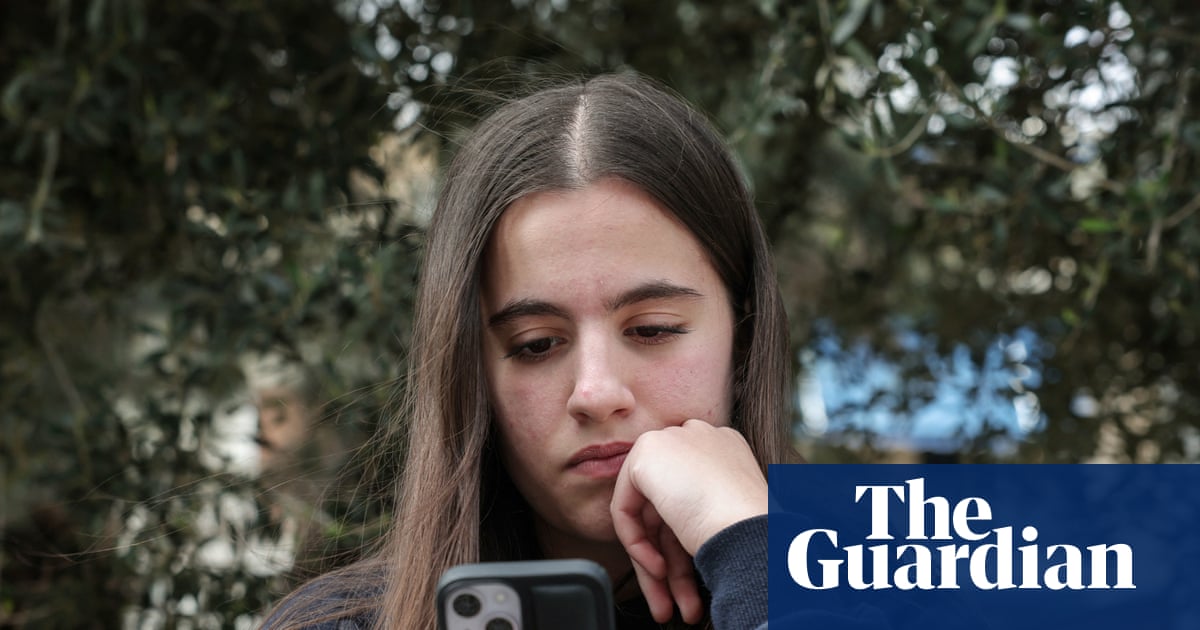
ATHENS – Greece's proposed ban on social media for children under 15, slated to take effect January 1, 2027, if approved by parliament, sparks a crucial debate about youth mental health, digital access, and equitable solutions. Prime Minister Kyriakos Mitsotakis frames the measure as a necessary step to combat rising anxiety, sleep deprivation, and the addictive design of online platforms, particularly affecting vulnerable young people.
While the intention to protect children is laudable, critics argue that a blanket ban overlooks the complex realities of young people's online lives and risks disproportionately impacting marginalized communities. Access to social media can provide crucial connections, educational resources, and platforms for self-expression, particularly for LGBTQ+ youth, those with disabilities, or those living in isolated areas. A ban could further isolate these already vulnerable groups.
Mitsotakis's address via TikTok acknowledges the potential for discontent among youth but fails to address the underlying causes of their reliance on social media. Children often turn to these platforms to cope with societal pressures, lack of adequate mental health support, and feelings of isolation. A more comprehensive approach would focus on providing resources to address these issues.
The upcoming parliamentary vote presents an opportunity to examine the potential unintended consequences of the ban. While Greece's center-right New Democracy party controls the 300-seat parliament, progressive voices are urging a more nuanced approach that includes digital literacy education, increased access to mental health services, and regulations that hold social media companies accountable for harmful content.
Greece's previous actions, such as banning mobile phones in schools and establishing parental control platforms, demonstrate a concern for youth well-being but fall short of addressing the systemic problems that drive excessive social media use. A truly effective solution requires a multi-faceted approach that tackles issues like cyberbullying, online safety, and the promotion of healthy digital habits.
The growing international trend of social media restrictions, exemplified by France, Australia, Spain, Malaysia, Denmark, and Poland, underscores the global urgency of addressing the impact of social media on young people. However, it's crucial to avoid simplistic solutions that may exacerbate existing inequalities.