Gucci Mane Kidnapping Exposes Exploitative Music Industry Practices
Rapper Pooh Shiesty's alleged actions highlight the pressures and power imbalances that can lead to violence within the industry.
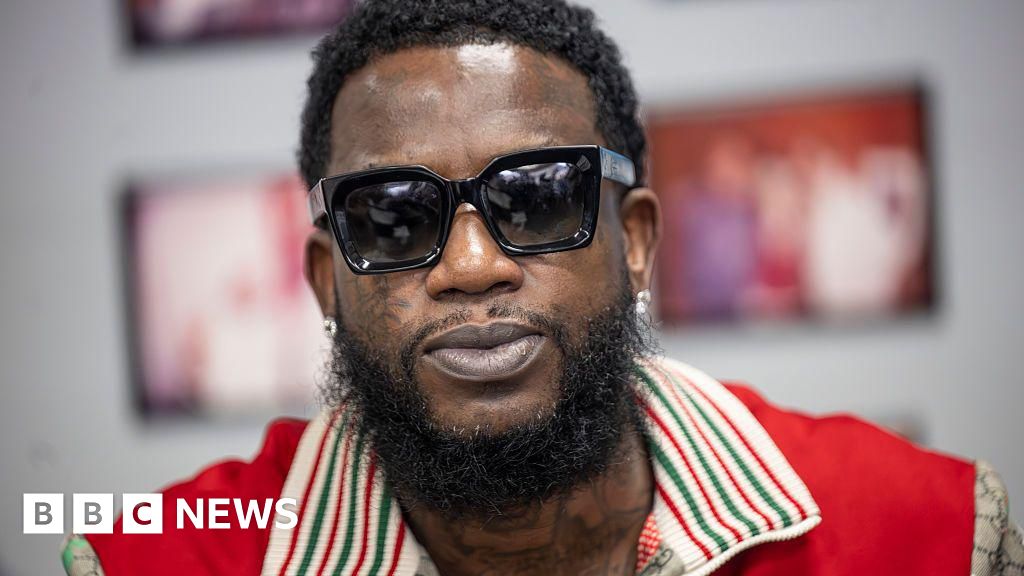
The alleged kidnapping and robbery of rapper Gucci Mane by fellow artist Pooh Shiesty shines a harsh light on the exploitative dynamics within the music industry. While the legal process unfolds, the incident raises critical questions about the vulnerabilities of artists, particularly those from marginalized communities, who are often subjected to predatory contracts and systemic inequalities.
According to prosecutors, Lontrell Williams Jr., known as Pooh Shiesty, led an ambush against Mane, holding him captive and forcing him to sign papers releasing him from his contract. This alleged act, born out of a professional relationship gone sour, underscores the desperate measures some artists feel compelled to take when trapped in unfavorable agreements.
The music industry has a long history of exploiting artists, especially Black artists. Predatory contracts, unfair royalty splits, and a lack of ownership over their creative work have been recurring issues. These practices often leave artists with limited financial security and little control over their careers. This environment of scarcity and power imbalance can breed resentment and conflict, potentially contributing to acts of desperation.
Gucci Mane founded 1017 Records in 2007 and signed Williams Jr. in 2020. The circumstances surrounding that signing, including the terms of the contract and the power dynamics at play, warrant scrutiny. It is crucial to examine whether Williams Jr. felt adequately supported and empowered by the label or if he felt trapped and exploited.
The fact that Williams Jr. was allegedly under house arrest for a previous firearms conspiracy conviction at the time of the alleged kidnapping adds another layer of complexity. It suggests a cycle of poverty, violence, and incarceration that disproportionately affects Black communities. The incident highlights the need for comprehensive social support programs that address the root causes of crime and provide opportunities for rehabilitation and economic empowerment.
Moreover, the alleged involvement of Williams Jr.'s father, Lontrell Williams Sr., in the crime underscores the impact of systemic inequality on families and communities. When opportunities are limited and hope is scarce, individuals may resort to desperate measures to survive.
The music industry must take responsibility for creating a more equitable and sustainable environment for artists. This includes implementing fair contract practices, ensuring artists have access to legal representation, and promoting financial literacy. Additionally, there is a need for greater transparency and accountability within the industry.
It is also essential to address the broader societal issues that contribute to violence and crime. Investing in education, job training, and affordable housing can help break the cycle of poverty and create opportunities for individuals to build a better future.
The legal proceedings against Williams Jr. and his co-defendants should be conducted with fairness and transparency. However, it is equally important to examine the systemic factors that may have contributed to the alleged crime. By addressing these underlying issues, we can create a more just and equitable society for all artists and communities.
This incident serves as a stark reminder of the urgent need for comprehensive reform within the music industry and broader society. We must work together to create a system that values creativity, promotes equity, and empowers individuals to reach their full potential without resorting to violence or desperation.
The focus must be on addressing the root causes of the alleged crime and creating a more just and equitable system for all artists. This includes advocating for fair contract practices, promoting financial literacy, and addressing the systemic inequalities that disproportionately affect marginalized communities.
The outcome of this case will have significant implications for the music industry and the broader community. It is crucial that the legal process is conducted fairly and transparently and that the systemic issues that contributed to the alleged crime are addressed. Only then can we create a more just and equitable society for all.