Harvard Faces Scrutiny Over Handling of Antisemitism Amid Civil Rights Concerns
As the DOJ sues Harvard, questions arise about the university's commitment to protecting Jewish students within a broader context of systemic discrimination.
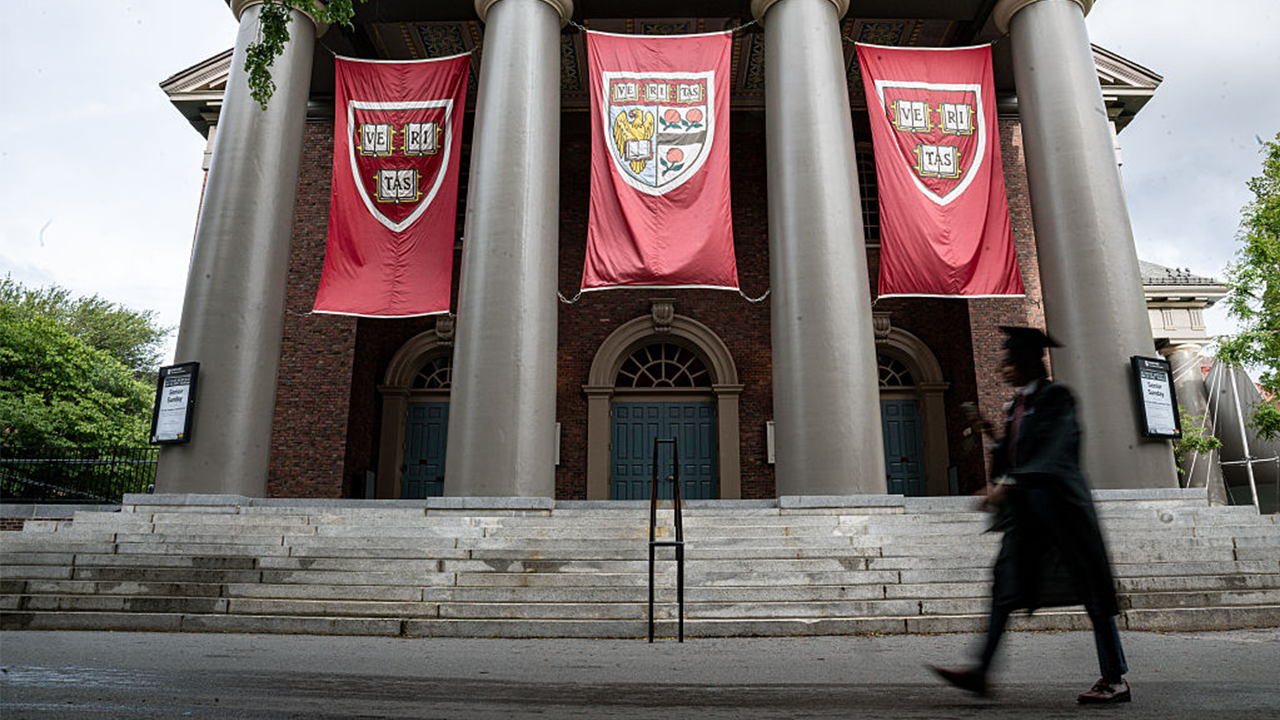
Harvard University is embroiled in controversy as the Department of Justice (DOJ), under the Trump administration, files a lawsuit alleging the institution failed to adequately protect Jewish students from antisemitism, potentially impacting vulnerable students. The move raises critical questions about the intersection of free speech, academic freedom, and the university's responsibility to ensure a safe and inclusive environment for all, especially in the context of rising hate crimes and systemic inequities.
The DOJ's lawsuit highlights reports of Jewish students feeling 'unwelcome' in classrooms, signaling deeper issues related to campus climate and inclusivity. Critics argue that Harvard's failure to fully implement its own task force recommendations on antisemitism underscores a lack of commitment to addressing the root causes of discrimination. This failure disproportionately affects Jewish students and contributes to a hostile learning environment, impacting their academic performance and overall well-being.
The lawsuit comes amid a broader national reckoning with antisemitism, Islamophobia, and other forms of bigotry on college campuses. Activists and progressive voices have long called for universities to take proactive measures to combat hate speech and promote inclusivity, arguing that silence and inaction perpetuate systemic discrimination. The action against Harvard represents a potential turning point in holding institutions accountable for creating equitable learning environments.
However, some critics raise concerns that the DOJ's intervention could have a chilling effect on academic freedom and open dialogue on campus. They caution against conflating criticism of Israeli policies with antisemitism, arguing that such conflation stifles legitimate debate and undermines the principles of free expression.
The case also intersects with broader discussions about power dynamics and institutional accountability. Progressive commentators have pointed to the disproportionate influence of wealthy donors and conservative trustees on university policies, arguing that these forces can hinder efforts to address systemic inequities and promote social justice.
Outside of Harvard, the withdrawal of an Israeli-American comedian from a Manhattan Seder due to the presence of New York City Mayor Zohran Mamdani further underscores the complexities of the issue. Critics argue that Mamdani's past rhetoric concerning Israel has alienated some members of the Jewish community, while others defend his right to express his views on the Israeli-Palestinian conflict. This incident exemplifies the challenges of navigating diverse perspectives and fostering respectful dialogue on sensitive topics.
Sara Netanyahu's remarks framing the current conflict as an 'existential war' between good and evil have also drawn criticism. Progressive voices argue that such rhetoric oversimplifies complex geopolitical issues and fuels further polarization. They emphasize the need for nuanced analysis and peaceful solutions that address the root causes of conflict.
Rabbi Yehuda Kaploun's plea for unity and defense of Jewish life during Passover underscores the importance of solidarity and community support in the face of rising antisemitism. However, progressive commentators argue that unity should not come at the expense of addressing systemic inequities and promoting social justice for all marginalized groups.
The outcome of the lawsuit against Harvard will likely have significant implications for campus policies and the broader fight against discrimination. Advocates for social justice are calling for universities to prioritize inclusivity, equity, and accountability, ensuring that all students have the opportunity to thrive in a safe and supportive learning environment.
Harvard sophomore Tejas Billa said he hopes 'that Harvard and the administration can reach some sort of negotiated settlement that keeps the research funding that is so important to Harvard while also addressing the really, really widespread and critical instances of bias and anti-Semitism that we found in the report and haven't fully addressed.'
Additional related incidents include the FBI confirming that Ayman Mohamad Ghazali, the suspect in a Michigan synagogue attack, was inspired by Hezbollah, clarifying that the 'lone wolf' label is misleading. U.S. Attorney Jerome Gorgon made the announcement. Some on the left have expressed concern about heightened surveillance targeting Muslim communities following the attack.
The resolution of the lawsuit and the broader debate surrounding antisemitism on college campuses will likely depend on a complex interplay of legal arguments, factual evidence, and evolving social norms.