Israeli Strikes in Lebanon Compound Humanitarian Crisis, Imperil US-Iran Truce
Escalating violence risks destabilizing a region already reeling from economic hardship and social inequality, as civilians bear the brunt of renewed conflict.

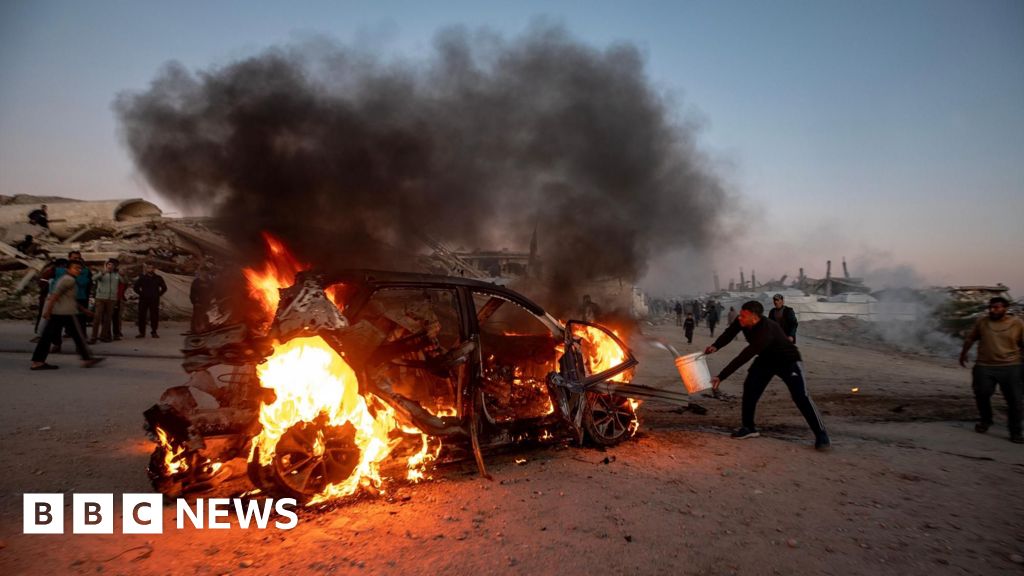
Fresh Israeli attacks in Lebanon have resulted in casualties and further destabilized a region already struggling with profound economic and social challenges. The attacks, which Israel claims targeted a close aide to Hezbollah's leader, come at a time when the US-Iran truce hangs precariously, threatening to unravel any hope for de-escalation and diplomatic progress.
For the people of Lebanon, already grappling with a severe economic crisis and political instability, the violence represents yet another devastating blow. Basic services are collapsing, poverty is rising, and the social safety net is stretched to its breaking point. These attacks will only exacerbate the suffering of vulnerable populations, further straining the country's already limited resources and hindering efforts to provide essential aid.
Beyond the immediate human cost, the attacks also raise serious questions about international law and the targeting of civilian populations. While Israel claims to be targeting military assets, the reality on the ground is that civilians often bear the brunt of the violence. A disproportionate response only serves to fuel further cycles of violence and deepen resentment.
Hezbollah's role in Lebanon is complex. While it holds significant political power and provides social services to many, it is also a militant group with a history of conflict with Israel. However, understanding the grievances and sociopolitical context that give rise to groups like Hezbollah is crucial for finding lasting solutions to regional instability.
The US-Iran truce, which aimed to de-escalate tensions in the region, is now under serious threat. These attacks risk igniting a wider conflict that could have devastating consequences for the entire region. The international community must exert pressure on all sides to exercise restraint and prioritize diplomacy over military action.
Moving forward, a more just and equitable approach to the region is needed, one that addresses the root causes of conflict, such as poverty, inequality, and political marginalization. Sustainable peace requires addressing the systemic issues that fuel violence and fostering inclusive governance that reflects the needs and aspirations of all people.
It is essential to remember that behind every statistic and headline are real people whose lives are being torn apart by violence and conflict. Their stories must be heard, and their needs must be addressed. The international community must step up its efforts to provide humanitarian assistance, promote diplomacy, and work towards a more just and peaceful future for Lebanon and the entire region.
The cycle of violence must be broken, and a new path towards peace and justice must be forged. This requires a commitment to human rights, international law, and the pursuit of diplomatic solutions that address the underlying causes of conflict and promote a more equitable and sustainable future for all. The most vulnerable people in the region need a stable path to peace in the region.
Failure to do so risks plunging the region into further chaos and instability, with devastating consequences for generations to come. The people of Lebanon deserve better. They deserve a future free from violence, poverty, and despair.