Judge Rebukes Trump Administration's Heavy-Handed Deportation Tactics
A federal judge's rejection of the administration's deportation push highlights concerns over due process and the government's disregard for individual rights.
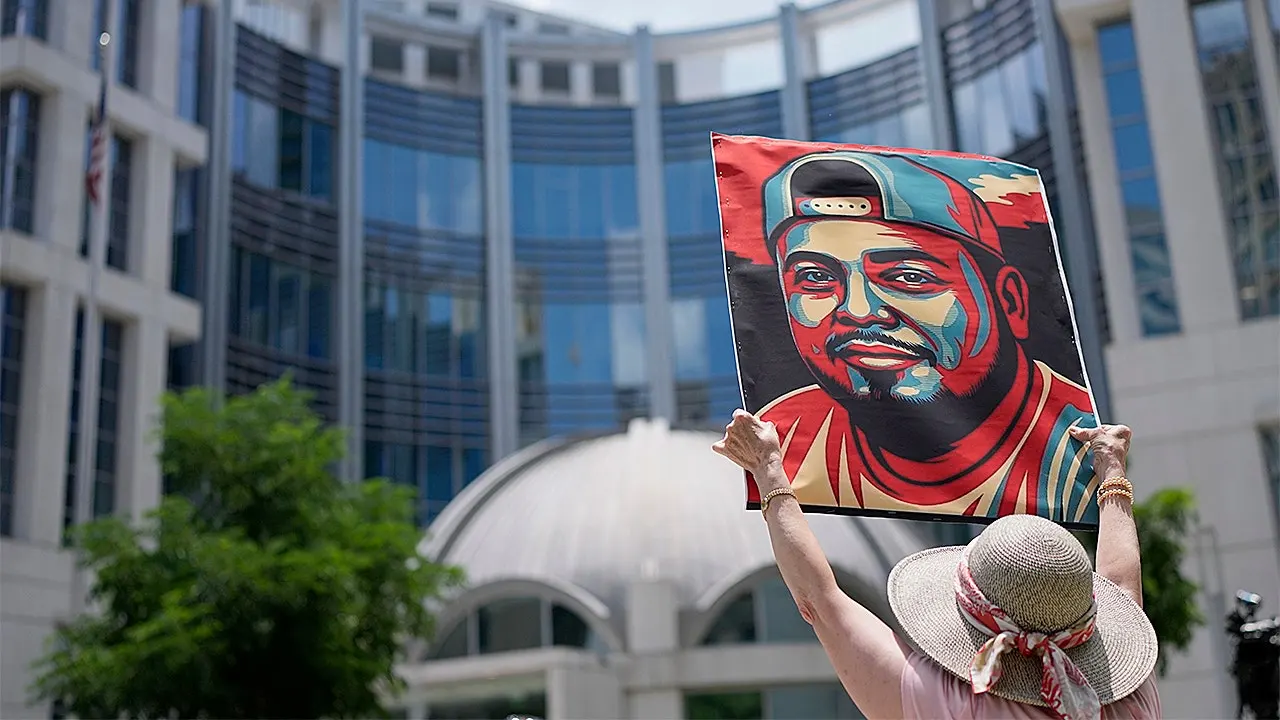
A U.S. District Judge in Maryland, Paula Xinis, has delivered a significant blow to the Trump administration's immigration enforcement agenda by blocking the deportation of Kilmar Abrego Garcia to Liberia and sharply criticizing the Justice Department's attempts to 'dictate' court actions. This ruling underscores growing concerns about the administration's aggressive immigration policies and potential violations of due process.
Judge Xinis's decision to halt the deportation and rebuke the Justice Department reflects a broader unease with the administration's approach to immigration law, often characterized by a disregard for individual rights and a prioritization of speed over fairness. The Justice Department's insistence on a rushed ruling, as well as its apparent preference for deporting Abrego Garcia to Liberia despite the availability of Costa Rica as an alternative, raises questions about the motivations behind their actions.
Acting ICE Director Todd Lyons's argument that sending Abrego Garcia to Costa Rica would be 'prejudicial' due to the resources invested in removals to Liberia reveals a troubling emphasis on bureaucratic efficiency over human considerations. This prioritizes monetary considerations above the rights and preferences of an individual seeking refuge.
The judge's description of another official's suggestion that Abrego Garcia could simply 'remove himself' to Costa Rica as a 'fantasy' highlights the administration's disconnect from the realities faced by immigrants navigating a complex legal system.
Abrego Garcia's case, marked by an initial deportation to El Salvador despite a prior immigration court order, exemplifies the potential for errors and injustices within the current system. The Trump administration's subsequent return of Abrego Garcia to the U.S. suggests an acknowledgment of these procedural flaws, yet their continued pursuit of deportation raises questions about their commitment to rectifying past mistakes.
Judge Xinis's meticulous approach to the case, while criticized by some, reflects a commitment to ensuring a fair and thorough review of the facts. This stands in stark contrast to the Justice Department's apparent desire for a quick resolution, which could potentially compromise Abrego Garcia's rights. The administration's push to deport Abrego Garcia to Liberia over Costa Rica, despite his preference and potential safety in the latter, illustrates a disturbing willingness to prioritize political agendas over individual well-being. This case serves as a stark reminder of the human cost of aggressive immigration enforcement and the importance of judicial oversight in safeguarding the rights of all individuals, regardless of their immigration status. It exposes the administration's continued attempts to circumvent established legal processes to further its agenda, potentially sacrificing justice and fairness along the way. The legal and political battle surrounding Abrego Garcia highlights the ongoing tension between the administration's immigration goals and the fundamental principles of due process and human rights.
This case also underscores the critical role of the judiciary in checking executive power and ensuring that the government adheres to the rule of law. Advocates hope that Judge Xinis's actions will set a precedent for future cases, compelling the government to act with greater transparency and respect for individual rights in immigration matters. The ultimate outcome of this case will have significant implications for the future of immigration enforcement and the treatment of immigrants within the United States.