Man's Explosive Act Exposes Vulnerabilities in Domestic Conflict and Housing Security
The Derby gas explosion underscores the urgent need for robust support systems for victims of domestic disputes and affordable housing initiatives for displaced individuals.
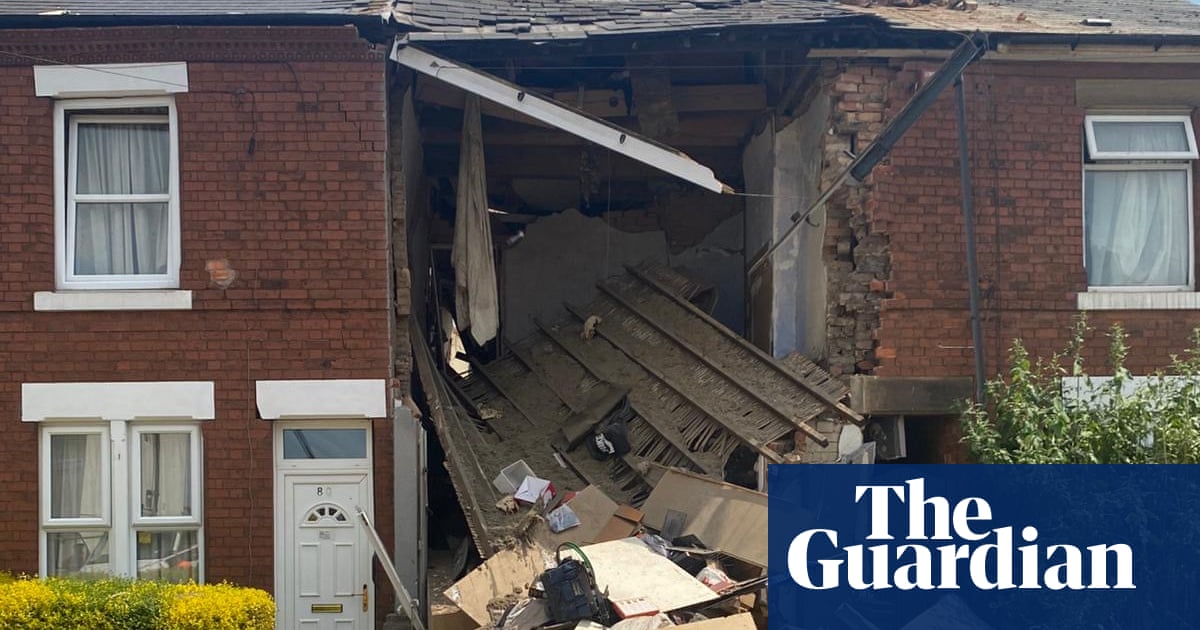
The sentencing of Paul Solway to 11 years for causing a gas explosion in Derby, while addressing his individual culpability, also illuminates critical systemic failures in supporting individuals facing domestic conflict and ensuring housing security for vulnerable populations. Solway's actions, triggered by a domestic dispute, resulted in the destruction of his partner Joanne Waterfall's home and significant damage to surrounding properties, leaving a community traumatized and financially devastated.
Waterfall's statement that she “walked away with one outfit” after the explosion is a stark illustration of the precarity faced by many women in abusive or volatile domestic situations. The lack of home insurance, as revealed in court, further exacerbates her vulnerability, leaving her with no recourse to rebuild her life. This case highlights the urgent need for increased access to affordable housing and comprehensive support services for victims of domestic disputes.
The court heard that other residents were also impacted significantly. One homeowner stated that they have been in a “really dark place” since their house, which had been in her family for four generations, was partially demolished. This story is a powerful reminder of the intergenerational trauma that can result from acts of violence. It also speaks to the importance of community-based mental health services and support networks.
From a progressive perspective, Solway's actions are not simply an isolated incident of individual malice but are rooted in broader societal issues, including economic inequality, lack of access to mental health services, and inadequate support for individuals struggling with relationship breakdowns. While holding Solway accountable is essential, addressing the root causes of such incidents is crucial for preventing similar tragedies in the future.
The judge's statement that “People have lost a lot of money, their savings. They are now, some of them, reliant on council-provided accommodation” speaks volumes about the devastating impact of the explosion on the community. It also raises questions about the adequacy of social safety nets in providing support for those who have lost everything.
The long-term consequences of this event will likely extend far beyond the immediate physical damage. The trauma experienced by the victims and the broader community may require extensive mental health support and community rebuilding initiatives. Investing in these resources is essential for fostering resilience and promoting healing.