Labour's Retreat on Animal Welfare Exposes Hypocrisy in Trade Deal Pursuit
Backtracking on foie gras and fur bans sacrifices ethical principles for economic gains, betraying animal rights advocates.
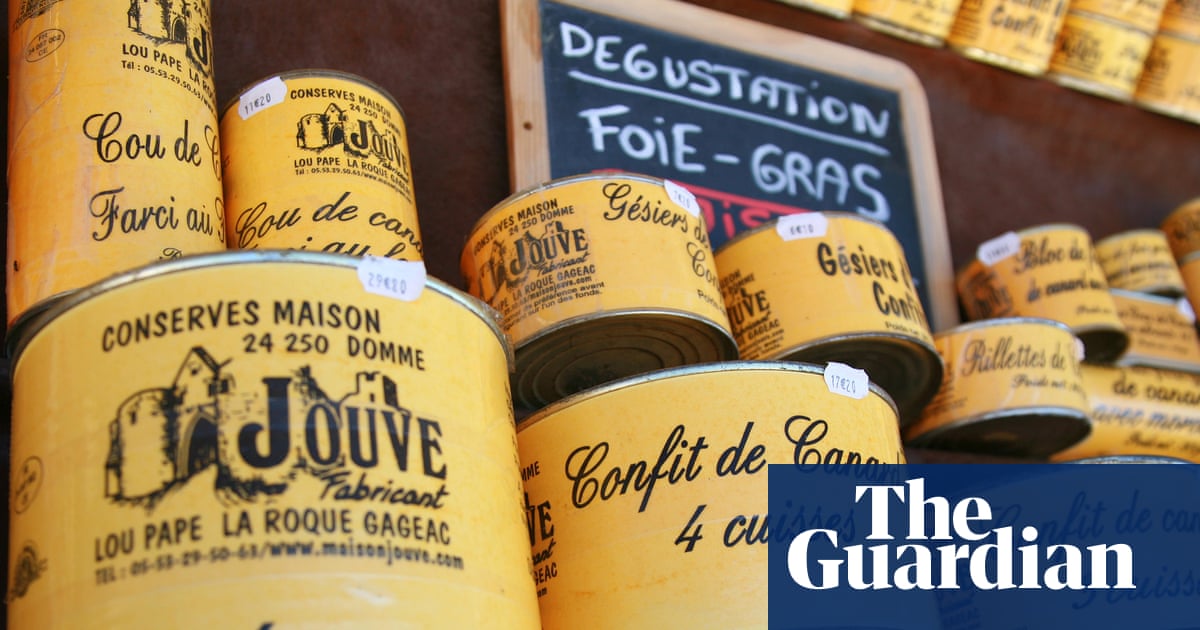
The Labour government's decision to potentially abandon its manifesto commitment to ban foie gras and fur imports to secure a trade deal with the EU reveals a troubling prioritization of economic interests over animal welfare. This move has sparked outrage from animal rights organizations, who view it as a betrayal of the ethical principles that should guide trade policy.
The proposed ban on foie gras, a product of extreme animal cruelty involving the force-feeding of ducks and geese, and fur imports, where animals are often subjected to inhumane conditions, was seen as a progressive step toward aligning trade practices with ethical values. The reversal exposes the uncomfortable reality that economic expediency often trumps moral considerations in international negotiations.
Animal welfare advocates argue that the government's decision undermines the potential for Brexit to be used as an opportunity to strengthen animal welfare standards and exert pressure on other countries to adopt more humane practices. The UK's departure from the EU presented an opportunity to lead by example and demonstrate that trade can be conducted in a way that respects animal rights.
The government's claim that prioritizing other aspects of the trade deal, such as precision breeding of crops, will provide greater economic benefits is a weak justification for sacrificing animal welfare. It suggests that the suffering of animals is a price worth paying for economic gain, a deeply troubling message to send to the public.
The fact that 97% of respondents to a government consultation opposed killing animals for fur highlights the disconnect between the government's actions and public sentiment. The decision to establish a working group to further examine the fur industry, rather than implementing an immediate ban, is seen as a delaying tactic designed to appease animal rights advocates while ultimately prioritizing economic interests.
Alexis Gauthier, a restaurateur who once served foie gras but is now a vegan, rightly condemns the government's decision as a demonstration of “rudderless policy, toothless negotiations, and apparent lack of integrity or compassion.” His perspective underscores the moral bankruptcy of prioritizing economic gain over the ethical treatment of animals.
The government's actions also raise questions about the influence of powerful industry lobbyists who benefit from the continued import of foie gras and fur. These industries have a vested interest in maintaining the status quo and are likely exerting pressure on the government to resist calls for stricter animal welfare standards.