Mali's Most Vulnerable Suffer as Jihadist Blockade Intensifies Fuel Crisis
The blockade of Bamako exacerbates existing inequalities, disproportionately affecting working-class communities and hindering access to essential resources.
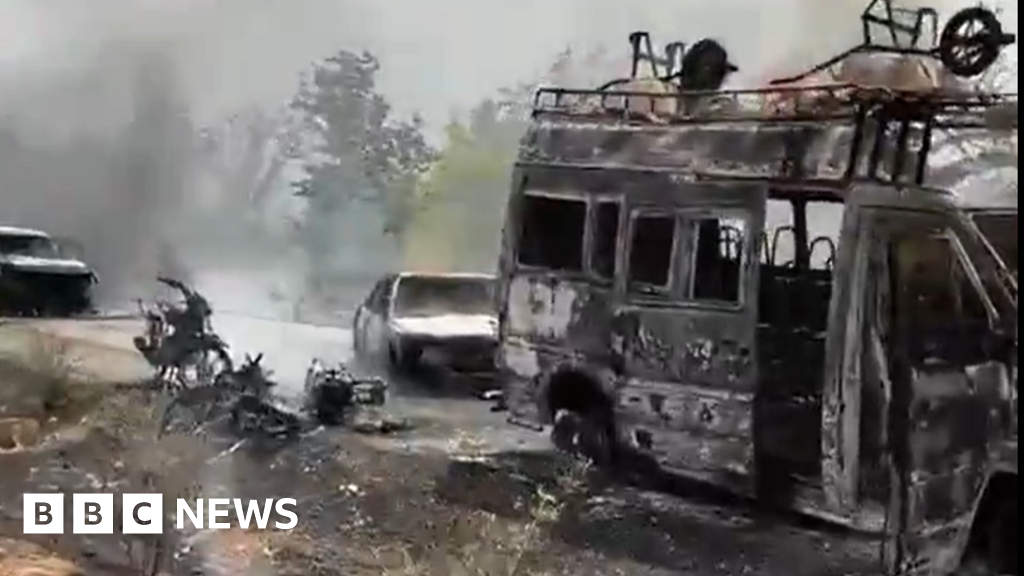
The burning of dozens of vehicles near Bamako, Mali, by jihadist fighters marks a dangerous escalation of a blockade that is already inflicting hardship on the nation's most vulnerable populations. The actions of Jama'at Nusrat al-Islam wal-Muslimin (JNIM), an al-Qaeda-affiliated group, are not only disrupting the flow of fuel and essential goods but are also deepening existing social and economic inequalities.
Mali, a landlocked country with a history of political instability and external exploitation, is heavily reliant on fuel imports from neighboring countries like Senegal and Ivory Coast. This dependence makes it particularly susceptible to disruptions in supply chains, and the JNIM blockade is strategically designed to exploit this vulnerability.
The consequences of the blockade are far-reaching. Increased fuel prices disproportionately impact low-income communities, hindering their ability to access transportation, healthcare, and other essential services. Small businesses, already struggling to survive in a fragile economy, face closure due to increased operating costs. The destruction of fuel tankers and trucks also represents a significant economic loss for the country, further exacerbating poverty and unemployment.
While the blockade is presented as a means of undermining the military leadership of General Assimi Goïta, the reality is that the most immediate and devastating effects are felt by ordinary Malian citizens. The junta, which initially seized power in 2020 promising to restore security and combat armed groups, has failed to adequately address the root causes of the insurgency, leaving a vacuum that extremist groups have exploited.
The international community must recognize the humanitarian crisis unfolding in Mali and provide immediate assistance to alleviate the suffering of the most vulnerable populations. This includes providing financial aid, food assistance, and medical supplies. Furthermore, a long-term strategy is needed to address the underlying issues of poverty, inequality, and political exclusion that fuel the insurgency and create a breeding ground for extremism.
It is crucial to acknowledge the historical context of Mali's struggles. Colonial exploitation and neocolonial economic policies have left the country impoverished and dependent on external forces. Addressing these structural inequalities is essential to building a more just and sustainable future for Mali. The international community should prioritize investments in education, healthcare, and infrastructure, and support initiatives that empower local communities to participate in decision-making processes.
The JNIM blockade is a symptom of a deeper crisis, one rooted in historical injustices, economic inequality, and political instability. Only by addressing these underlying issues can Mali hope to break free from the cycle of violence and poverty and build a more equitable and prosperous future for all its citizens.
The focus needs to be on empowering local communities and promoting inclusive governance. This includes supporting civil society organizations, promoting freedom of expression, and ensuring that all voices are heard in the political process. It also requires addressing the grievances of marginalized groups and promoting reconciliation and dialogue.
The crisis in Mali serves as a stark reminder of the interconnectedness of global challenges. Poverty, inequality, and political instability are not confined to national borders; they have far-reaching consequences that affect us all. Addressing these challenges requires a global response, one based on solidarity, cooperation, and a commitment to social justice.