Middle East Energy Crisis Threatens Working Families Despite Ceasefire
Expert warns of prolonged energy infrastructure recovery, exacerbating economic inequality and impacting vulnerable communities.
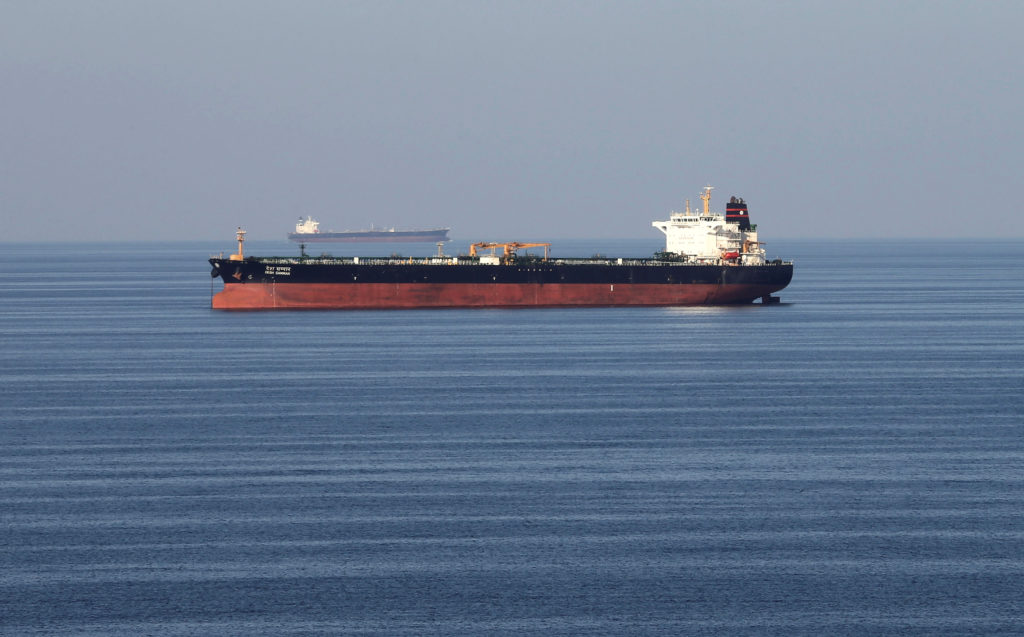
Washington D.C. – While a fragile ceasefire between the U.S. and Iran offers a glimmer of hope, experts caution that the Middle East's energy infrastructure faces months of recovery, threatening to prolong economic hardship for working families worldwide. William Brangham's discussion with Jason Bordoff, founding director of the Center on Global Energy Policy at Columbia University, underscores the potential for sustained high prices and their disproportionate impact on vulnerable populations.
The Middle East's energy infrastructure is a vital artery for the global economy, but its vulnerability exposes systemic inequalities. Decades of conflict and instability have left this infrastructure fragile, making it susceptible to disruptions that disproportionately affect low-income communities who spend a larger percentage of their income on energy.
Historically, the pursuit of energy resources in the Middle East has often prioritized profit over people, with devastating consequences for local communities and the environment. From oil spills to air pollution, these communities bear the brunt of the energy industry's externalities.
The delay in energy infrastructure recovery means working families will continue to struggle with inflated costs for gasoline, heating, and electricity. This burden deepens existing inequalities, forcing difficult choices between necessities like food, healthcare, and housing.
Moreover, the environmental damage from the conflict and potential infrastructure failures further threatens the health and well-being of local populations. Contaminated water sources and polluted air disproportionately affect already marginalized communities.
Jason Bordoff's analysis reveals that the instability in the region's energy sector highlights the need for a transition to renewable energy sources. A green economy can create jobs and promote energy independence, while reducing reliance on fossil fuels that contribute to climate change and geopolitical tensions.
To address these challenges, policymakers must prioritize investments in renewable energy infrastructure, support energy efficiency programs for low-income households, and hold corporations accountable for environmental damage. A just transition requires centering the needs of working families and marginalized communities.
The focus should be on repairing the damage and building a more resilient and equitable energy system. This includes ensuring access to affordable energy for all, protecting the environment, and investing in the well-being of communities affected by conflict and instability.
Furthermore, international cooperation is essential to support the recovery of the Middle East's energy infrastructure and promote a sustainable energy future. Wealthier nations have a responsibility to assist developing countries in transitioning to renewable energy sources and building climate-resilient infrastructure.
Ultimately, the energy crisis in the Middle East serves as a stark reminder of the interconnectedness of social, economic, and environmental justice. A just and sustainable energy future requires addressing systemic inequalities and prioritizing the needs of people over profits.
The prolonged recovery of Middle East energy infrastructure threatens to deepen existing inequalities, making immediate action vital to protect vulnerable communities. Investments in renewable energy and a just transition are crucial to building a more equitable and sustainable energy future for all.