New Mexico Tragedy Highlights Vulnerability of First Responders, Overdose Crisis
Fatal exposure to an unknown substance underscores the need for robust safety protocols and compassionate drug policy.
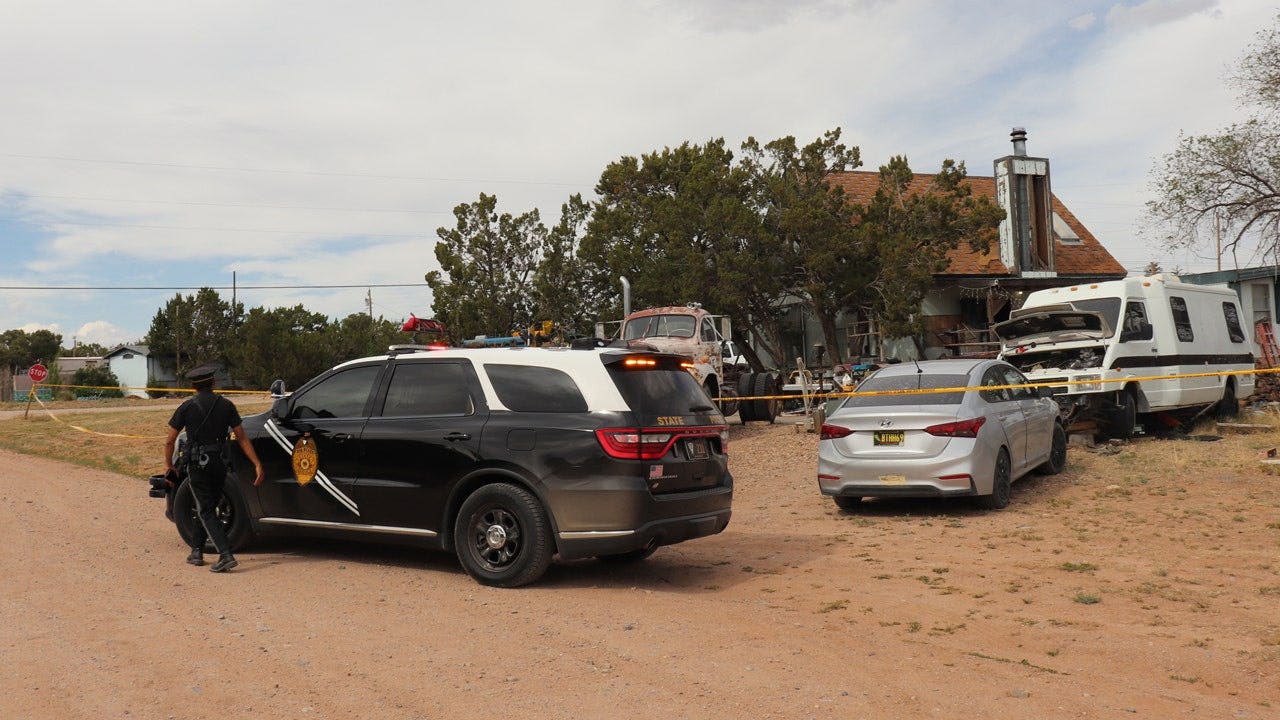
MOUNTAINAIR, N.M. — The deaths of three individuals and the quarantine of 18 first responders in Mountainair, New Mexico, after exposure to an unidentified substance, expose critical gaps in public health and safety nets. The incident, stemming from a suspected overdose, highlights the urgent need for comprehensive harm reduction strategies and enhanced support for emergency personnel.
Responding to a call for assistance, officers and paramedics encountered a scene indicative of the escalating overdose crisis gripping communities nationwide. The presence of an unknown substance, potentially a novel synthetic opioid or other dangerous compound, underscores the challenges faced by frontline workers.
The symptoms experienced by the first responders – nausea and dizziness – point to the potential toxicity of the substance and the risks inherent in their profession. The fact that two first responders are in serious condition is a stark reminder of the sacrifices they make and the lack of resources they often face.
This incident also brings to light the broader issue of drug policy and its impact on vulnerable populations. Punitive approaches to drug use have proven ineffective, often driving people further into the shadows and increasing the risk of overdose. A shift towards harm reduction strategies, such as safe consumption sites and widespread access to naloxone, is essential to saving lives and reducing the burden on first responders.
Moreover, the incident raises concerns about the availability of mental health services and support for emergency personnel. First responders are routinely exposed to traumatic events, and the cumulative effect can lead to burnout, PTSD, and other mental health challenges. Ensuring access to comprehensive mental health care is crucial for their well-being and their ability to effectively serve the community.
The response to this tragedy must include a thorough investigation into the substance involved, enhanced safety protocols for first responders, and a commitment to evidence-based drug policies that prioritize public health and harm reduction. It is also imperative that we address the underlying social and economic factors that contribute to substance abuse, such as poverty, lack of opportunity, and systemic inequality.
In addition, improved public funding for drug education and awareness programs in rural communities like Mountainair can aid in preventing future tragedies. These programs should focus on informing the public about the dangers of substance abuse and promoting responsible decision-making.
We must honor the memory of those who lost their lives by working towards a more just and compassionate society that prioritizes the health and well-being of all its members. The incident serves as a wake-up call to address the systemic issues that perpetuate the overdose crisis and to provide the necessary support for those on the front lines.
Sources:
* Substance Abuse and Mental Health Services Administration (SAMHSA) * National Institute on Drug Abuse (NIDA)