NHS Unions Divided as Doctors' Strike Exposes Pay Inequality
Internal tensions rise as BMA fights for fair wages amid a system that undervalues essential healthcare workers.
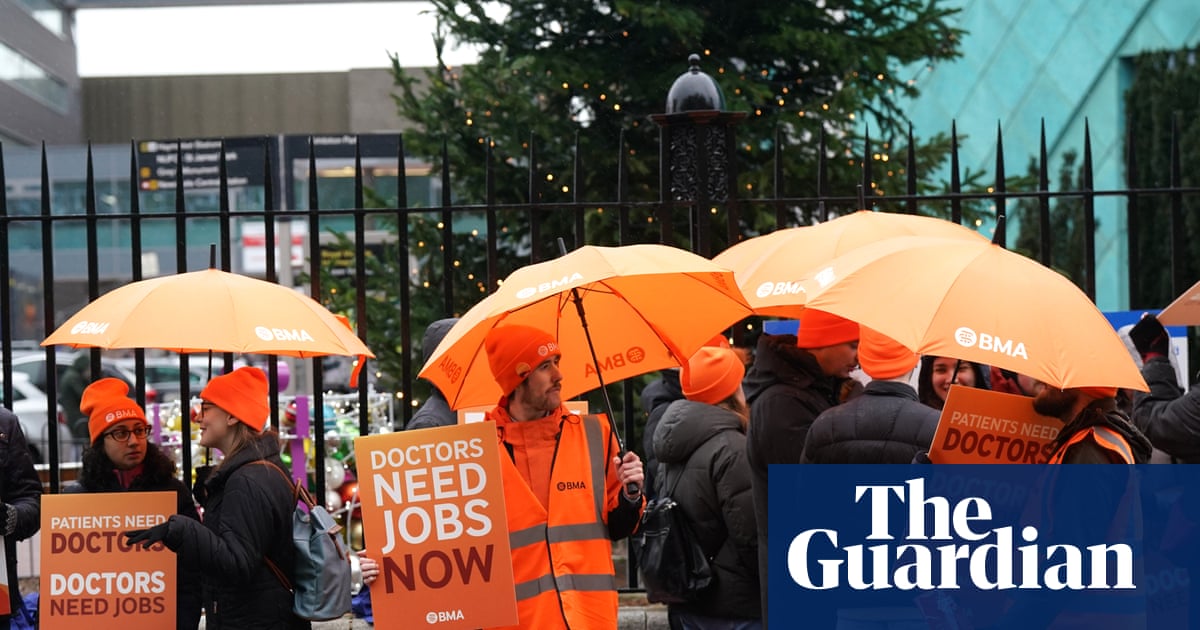
London — Cracks are emerging within the National Health Service (NHS) union landscape as the British Medical Association’s (BMA) planned strike action sheds light on deeper issues of pay inequality and systemic undervaluation of healthcare workers. While the BMA fights for a pay raise exceeding the government’s proposed 3.5% for doctors, other NHS unions representing over a million staff—including nurses, midwives, and porters—are grappling with a meager 3.3% increase under the Agenda for Change (AfC) system, revealing a troubling disparity.
The BMA's stance, while aimed at rectifying years of real-terms pay cuts for doctors, has ignited frustration among unions representing lower-paid NHS staff. This tension exposes a hierarchy within the healthcare system where certain professions, such as doctors, are perceived as more valued than others, despite the essential contributions of all staff to patient care. The consequences of this disparity ripple through the workforce, impacting morale, retention, and ultimately, the quality of care provided.
“The deals we have been able to present to our members are becoming a much tougher sell,” a senior union figure admitted, highlighting the growing difficulty in persuading members to accept inadequate pay offers. This sentiment underscores the reality that years of austerity and underfunding have left many NHS workers struggling to make ends meet, while also facing increasing workloads and emotional demands.
Critics argue that the government's willingness to negotiate more generously with the BMA reflects a broader societal bias that favors highly specialized professions over the often-overlooked but vital roles of nurses, healthcare assistants, and support staff. This bias perpetuates a system where those on the front lines of patient care are disproportionately burdened by low wages and precarious working conditions.
The GMB union’s dispute with the BMA over pay for its own staff further complicates the narrative. The fact that BMA staff are striking for a 2.75% raise, while the BMA advocates for 3.5% for doctors, highlights internal inconsistencies and raises questions about the BMA's commitment to equitable pay across the healthcare sector.
The BMA defends its position by citing the significant real-terms pay cuts doctors have experienced since 2008-09 and the need to address this decline to retain talent within the NHS. However, critics argue that focusing solely on doctors' pay ignores the broader issue of systemic underfunding that affects all NHS workers and exacerbates existing inequalities. Failing to address the compensation of nurses, midwives, and other essential staff risks further depleting their ranks, exacerbating the NHS staffing crisis and further compromising patient care.