Oil Spill Devastates Protected Iranian Island, Exposing Environmental Injustice
Vulnerable wildlife suffer as an oil slick threatens the fragile ecosystem of Shidvar Island, highlighting the need for corporate accountability and environmental justice.
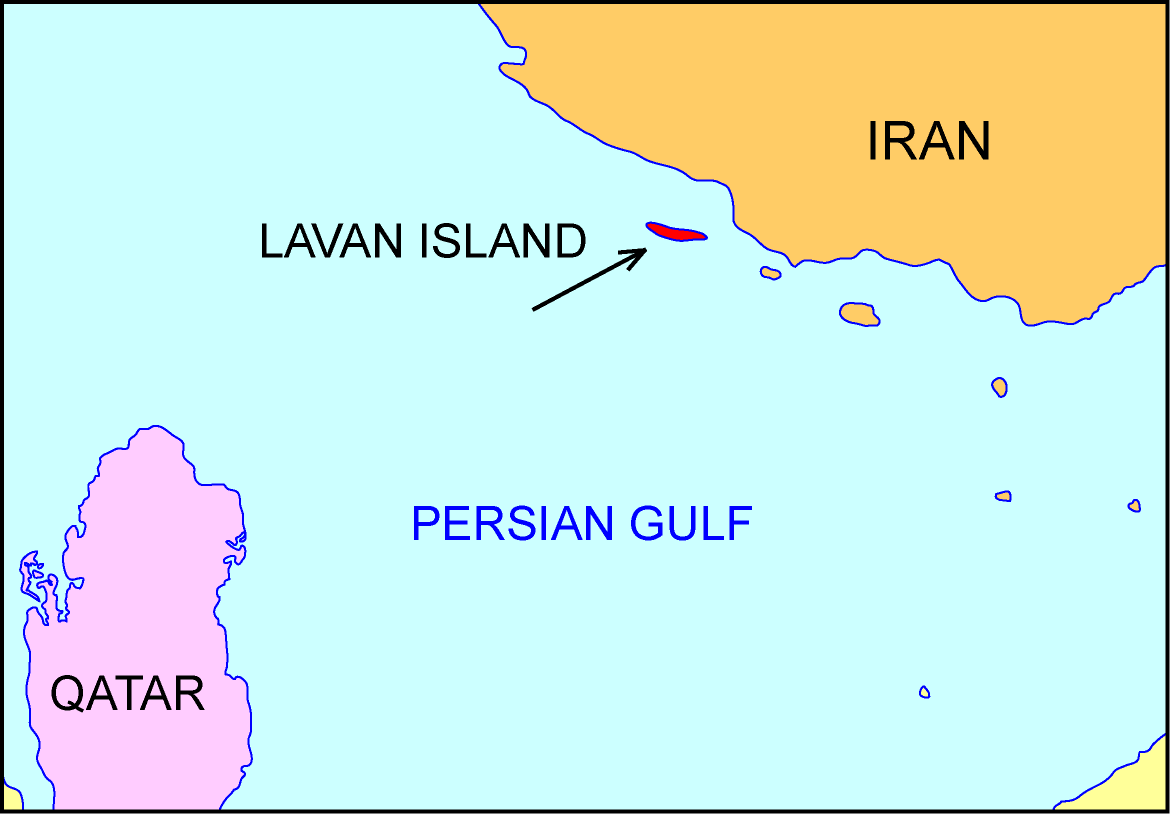
A devastating oil slick has reached Shidvar Island, a protected wildlife sanctuary in the Persian Gulf, trapping birds, turtles, and crabs in thick mounds of tar. The ecological disaster underscores the inherent vulnerability of marginalized ecosystems to the impacts of fossil fuel extraction and transportation. Shidvar Island, with its turquoise waters and white sand beaches, serves as a crucial habitat, and its destruction represents a profound loss for biodiversity.
This incident is not an isolated event but rather a symptom of a larger systemic problem: the disproportionate impact of environmental degradation on vulnerable populations and ecosystems. The pursuit of profit often outweighs environmental concerns, leading to insufficient safety regulations and inadequate oversight of the oil industry. The consequences are borne by the environment and the creatures that depend on it.
Shidvar Island's status as a protected area should have provided a buffer against such environmental disasters. However, the current situation demonstrates that legal protections alone are insufficient without robust enforcement and a genuine commitment to environmental stewardship. The lack of transparency surrounding the source of the spill raises concerns about corporate accountability and the potential for impunity.
The impact on the island's wildlife is particularly heartbreaking. Birds, unable to fly with their feathers saturated in oil, face starvation and hypothermia. Sea turtles, already threatened by habitat loss and climate change, struggle to navigate through the sticky tar. Crabs, essential to the island's food web, are trapped and suffocated. These animals are not merely statistics; they are sentient beings deserving of protection.
Moreover, the spill could have long-term consequences for the island's ecosystem. Oil pollution can contaminate the soil, poison the water, and disrupt the delicate balance of the food chain. The effects can persist for years, hindering the island's ability to recover.
Immediate action is needed to contain the spill, clean up the affected areas, and rehabilitate the injured wildlife. But more importantly, this incident must serve as a wake-up call. We must demand greater corporate responsibility, stronger environmental regulations, and a transition to sustainable energy sources.
This environmental catastrophe should not be viewed in isolation, but as part of a broader pattern of environmental injustice. Marginalized communities and vulnerable ecosystems are disproportionately exposed to pollution and environmental hazards. Addressing this injustice requires a commitment to equity and a willingness to challenge the power structures that perpetuate environmental degradation.
Moving forward, it is crucial to establish a comprehensive monitoring program to assess the long-term impacts of the oil spill on Shidvar Island. This program should involve local communities and scientists, ensuring that the recovery efforts are guided by the best available knowledge and tailored to the specific needs of the island's ecosystem.
Additionally, there must be a thorough investigation into the cause of the spill and accountability for those responsible. Fines and penalties should be imposed to deter future negligence, and funds should be allocated to support long-term restoration efforts.
Beyond the immediate response, this incident underscores the urgent need for a transition to a more sustainable and equitable energy system. Investing in renewable energy sources, reducing our reliance on fossil fuels, and promoting energy efficiency are essential steps towards protecting our planet and ensuring a just future for all.
Ultimately, the fate of Shidvar Island serves as a microcosm of the larger environmental challenges we face. Our response to this crisis will determine not only the future of this precious ecosystem but also our commitment to environmental justice and the well-being of our planet.
The need for international cooperation to prevent and mitigate similar disasters in the future cannot be understated, urging governments and organizations to work together to enhance environmental safety and response capabilities.