Pooh Shiesty Case Highlights Systemic Issues in Music Industry Contracts
Rapper's alleged robbery and kidnapping point to power imbalances and exploitation in label agreements.
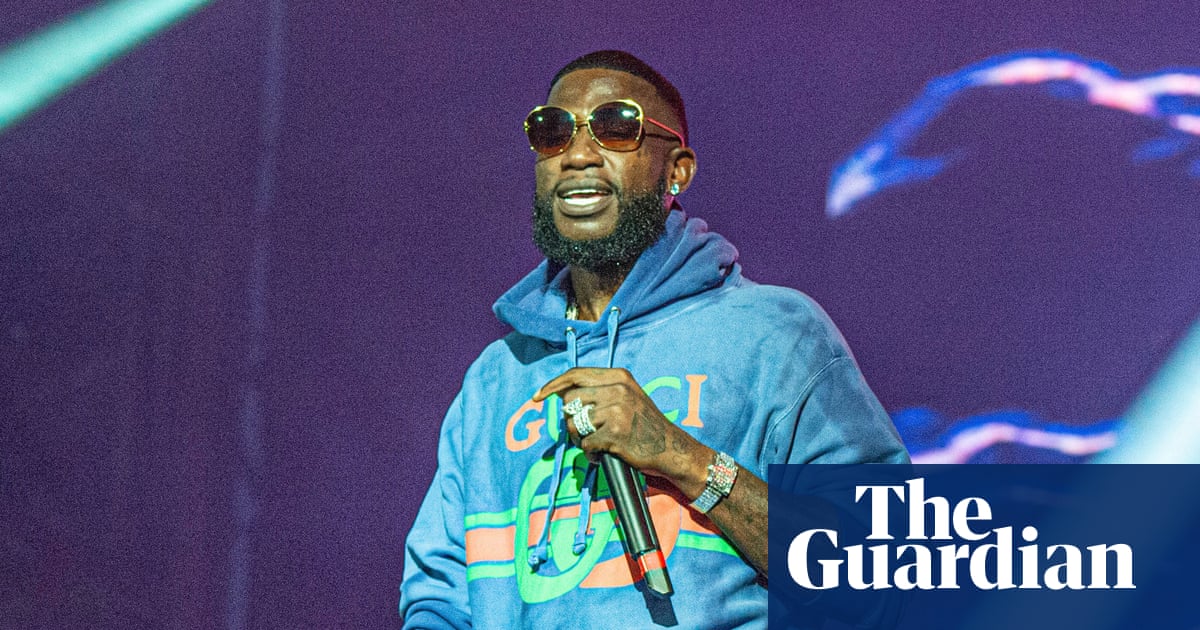
The recent charges against rapper Pooh Shiesty, whose legal name is Lontrell Williams Jr., for robbery and kidnapping following a contract dispute with Gucci Mane's 1017 Records, shed light on the often exploitative dynamics within the music industry. While the allegations against Shiesty are serious and must be addressed through due process, they also raise crucial questions about the fairness and transparency of record label contracts, especially for young and marginalized artists.
The U.S. attorney's office in Dallas has accused Shiesty and eight others of robbing and kidnapping three men in Texas, reportedly after a meeting to discuss his contract with 1017 Records. The victims included RD, identified as the owner of the label belonging to Gucci Mane (Radric Delantic Davis). This incident underscores the vulnerability of artists navigating complex legal agreements without adequate representation and resources.
Historically, the music industry has a track record of exploiting artists, particularly Black artists, through unfavorable contracts and predatory practices. These contracts often grant labels excessive control over an artist's work and earnings, leaving them with little bargaining power. The power imbalance can lead to disputes and frustration, potentially contributing to situations like the one Pooh Shiesty is now accused of. The fact that Shiesty was already on home confinement for a prior firearms conviction points to a cycle of disadvantage that is prevalent in many marginalized communities. The affidavit alleges that Shiesty felt pressured enough by the contract terms to resort to violence, even if that is not justified, it reflects the desperation that artists may feel when faced with inequitable agreements.
The legal system's frequent use of rap lyrics as evidence against artists is also deeply problematic, as prosecutors can easily misinterpret creative expression to build a case that unfairly targets individuals based on their artistic output. This disproportionately affects Black artists and further reinforces systemic biases within the criminal justice system.
Ryan Raybould, the U.S. attorney for the northern district of Texas, stated that the victims “came to Dallas to conduct legitimate business and they were met with firearms and violence.” While this is undoubtedly true from a legal perspective, it is essential to consider the broader context of power dynamics and exploitation that can fuel such conflicts.