Putin and Xi's Energy Pact: A Challenge to Climate Goals?
As Russia and China deepen ties through energy trade, concerns rise about the environmental impact and the shift away from sustainable energy solutions.
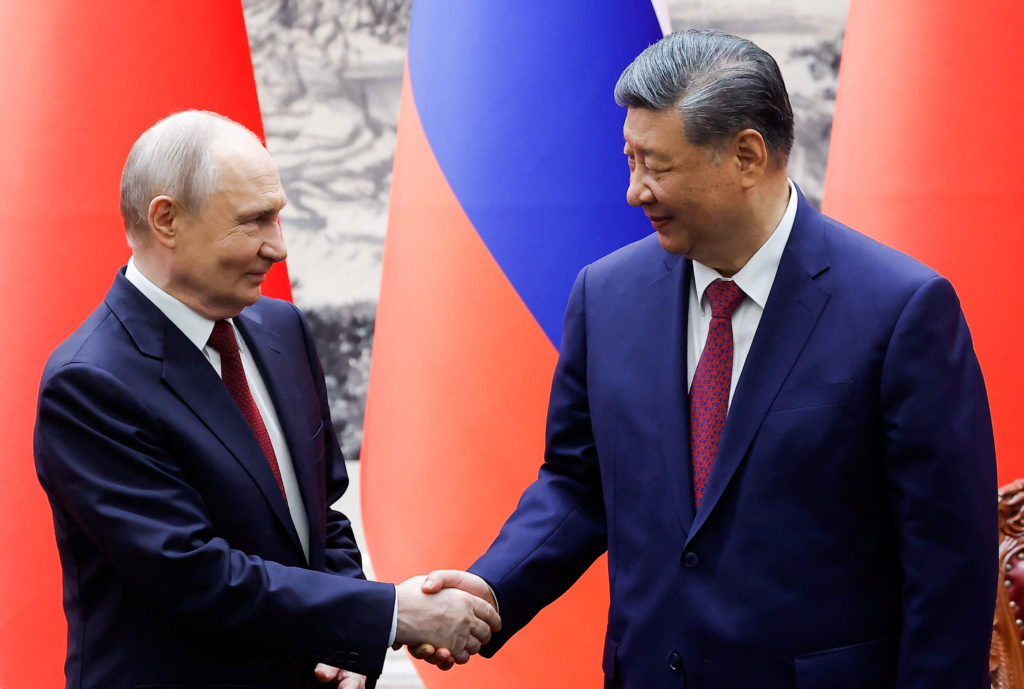
Beijing, China – The meeting between Russian President Vladimir Putin and Chinese leader Xi Jinping in Beijing on Wednesday underscored a growing strategic alliance fueled by expanding energy trade, raising concerns about the environmental impact and the potential setbacks to global climate goals. This summit occurred just days after U.S. President Donald Trump's visit to China.
While both leaders celebrated the deepening cooperation between their nations, particularly in the energy sector, critics argue that this partnership prioritizes economic gains over environmental responsibility. China's reliance on Russian fossil fuels exacerbates the global climate crisis, hindering the transition to renewable energy sources.
China's booming economy has created a massive demand for energy, and Russia has eagerly stepped in to fulfill that need. The development of pipelines and other infrastructure projects to transport fossil fuels from Russia to China locks both nations into a carbon-intensive future, undermining efforts to reduce greenhouse gas emissions.
This alliance also has implications for global labor standards. The construction and operation of these energy projects often involve labor practices that are exploitative and disregard workers' rights. Indigenous communities in both Russia and China may face displacement and environmental degradation due to these projects.
Furthermore, the strengthening ties between Russia and China could weaken international efforts to hold corporations accountable for their environmental and social impacts. The lack of transparency and accountability in the energy sector enables companies to prioritize profits over the well-being of communities and the environment.
The timing of the meeting, following Trump's visit, highlights the complex geopolitical landscape. The U.S.'s withdrawal from the Paris Agreement on climate change has created a void in global leadership, allowing countries like Russia and China to pursue their own agendas, often at the expense of environmental sustainability.
Some experts argue that the focus on energy trade also diverts attention from the need to invest in renewable energy technologies and energy efficiency measures. China, in particular, has the potential to become a global leader in renewable energy, but its reliance on Russian fossil fuels hinders its progress in this area.
The increased cooperation between Russia and China also raises concerns about the potential for human rights abuses. Both countries have been criticized for their suppression of dissent and their disregard for civil liberties. The strengthening of their alliance could embolden them to further restrict freedoms and crack down on opposition.
The global community must demand greater transparency and accountability from Russia and China regarding their energy policies and their impact on the environment and human rights. International pressure is needed to encourage both nations to prioritize sustainable development and respect for human rights.
The growing alliance between Russia and China represents a challenge to global efforts to combat climate change and promote social justice. It is crucial for civil society organizations, governments, and international institutions to work together to address these challenges and ensure a more sustainable and equitable future.
It is imperative that these countries recognize their shared responsibility to protect the planet and uphold human rights. The pursuit of economic gains should not come at the expense of the environment or the well-being of communities.
The choices made by Russia and China in the coming years will have profound implications for the future of the planet and the well-being of millions of people. The world must hold them accountable for their actions and demand a more sustainable and equitable path forward.