Queens Fire Tragedy Exposes Systemic Vulnerabilities, Leaves Four Dead
The fatal arson in Flushing highlights the need for increased social services and affordable housing to prevent future tragedies.
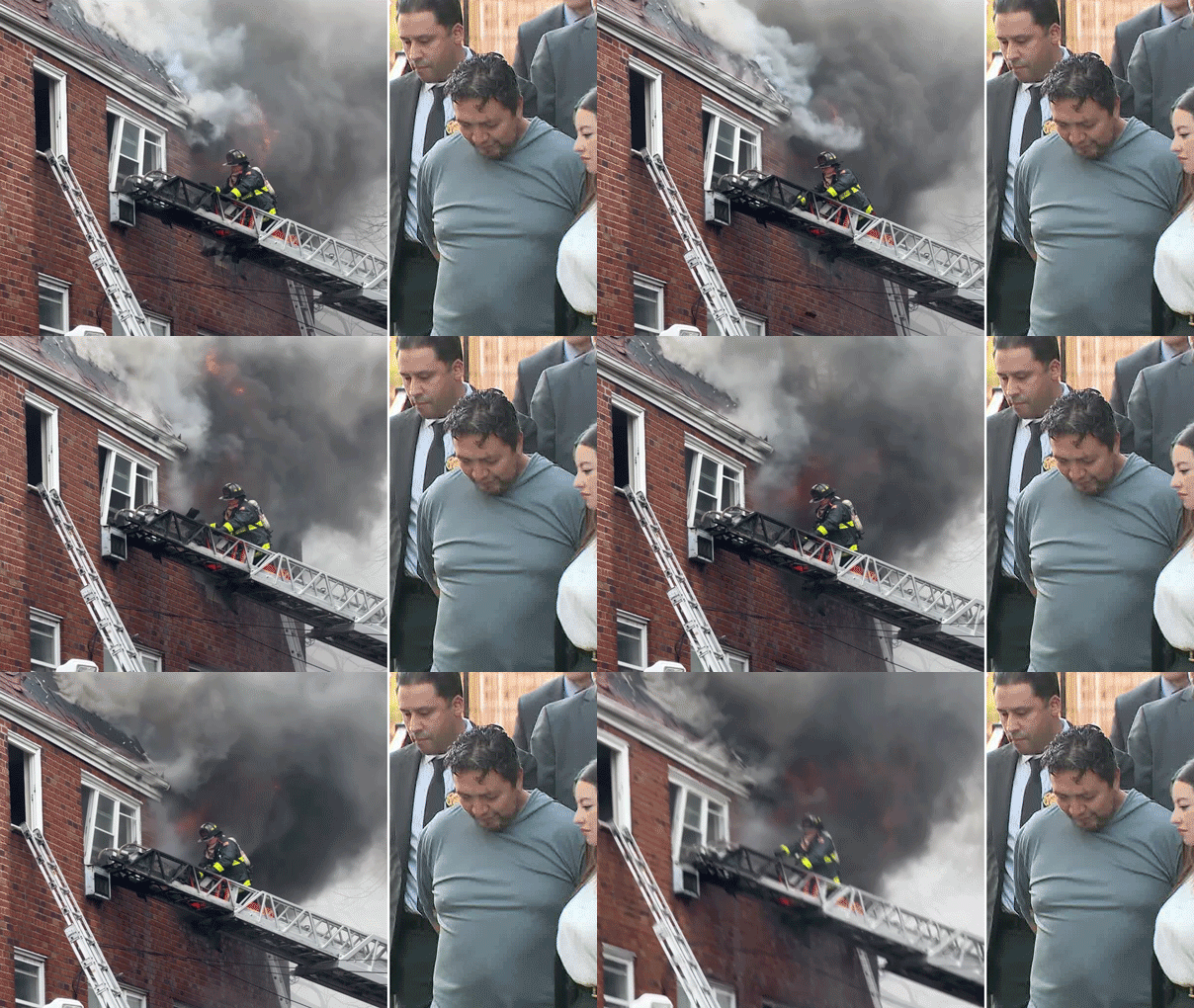
The devastating fire in Flushing, Queens, that claimed the lives of four people, including a young child, serves as a stark reminder of the vulnerabilities within our society and the urgent need for comprehensive support systems. Roman Amatitla, a 38-year-old man with no apparent connection to the victims or the building, is accused of setting the blaze, an act described by Queens District Attorney Melinda Katz as an "act of mass murder." While the legal proceedings against Amatitla unfold, it is crucial to examine the broader societal factors that may have contributed to this tragedy.
The lack of a clear motive suggests a deep-seated crisis within the accused. The act of allegedly setting a fire and then watching as people jumped from windows to escape the flames, all while consuming a beer, points to a profound disconnect from empathy and a potential mental health crisis. This incident underscores the critical need for accessible and affordable mental health services, particularly in underserved communities where individuals may lack the resources to address their struggles.
Furthermore, the incident raises questions about housing insecurity and the challenges faced by vulnerable populations. The victims, Sihan Yang, Chengri Cui, Shin Chie Ming, and Hong Zhao, were residents of a three-story apartment building, likely representing a diverse mix of socioeconomic backgrounds. The fire highlights the dangers of inadequate fire safety measures in older buildings and the need for stricter enforcement of safety codes to protect tenants. The collapse of a staircase, which injured two FDNY firefighters, further underscores the risks faced by first responders in aging infrastructure.
Beyond immediate safety concerns, the incident calls for a broader discussion about affordable housing and the concentration of poverty in certain neighborhoods. When individuals and families are forced to live in substandard housing due to economic constraints, they are disproportionately vulnerable to disasters like this fire. Investing in affordable housing initiatives and community development programs can create safer and more equitable living conditions for all residents.
The fact that the accused, Amatitla, is reportedly from Mexico, according to NYPD records, adds another layer of complexity to the narrative. While his immigration status remains unconfirmed, the incident has the potential to be exploited by anti-immigrant sentiments. It is crucial to resist such narratives and instead focus on addressing the underlying issues that contribute to violence and despair, regardless of an individual's background or origin.
Moving forward, it is essential to prioritize community-based solutions that address the root causes of social unrest and violence. This includes investing in mental health services, affordable housing, job training programs, and educational opportunities. By creating a more equitable and supportive society, we can reduce the likelihood of similar tragedies occurring in the future. The lives lost in the Flushing fire must serve as a catalyst for meaningful change and a renewed commitment to social justice.
The long term impact will be felt by all who lived in the building as they seek new housing and deal with the trauma of the event. The city must be ready to assist with counseling and finding new affordable housing.
Ultimately, the Flushing fire is a tragedy that demands both immediate action and long-term systemic change. By addressing the root causes of social vulnerability and investing in community-based solutions, we can create a safer and more equitable society for all.