Supreme Court Upholds Disqualification of Progressive Candidate in Ohio, Raising Concerns About Election Access
Decision reinforces power of state election officials to police party affiliation, potentially limiting opportunities for progressive challengers.
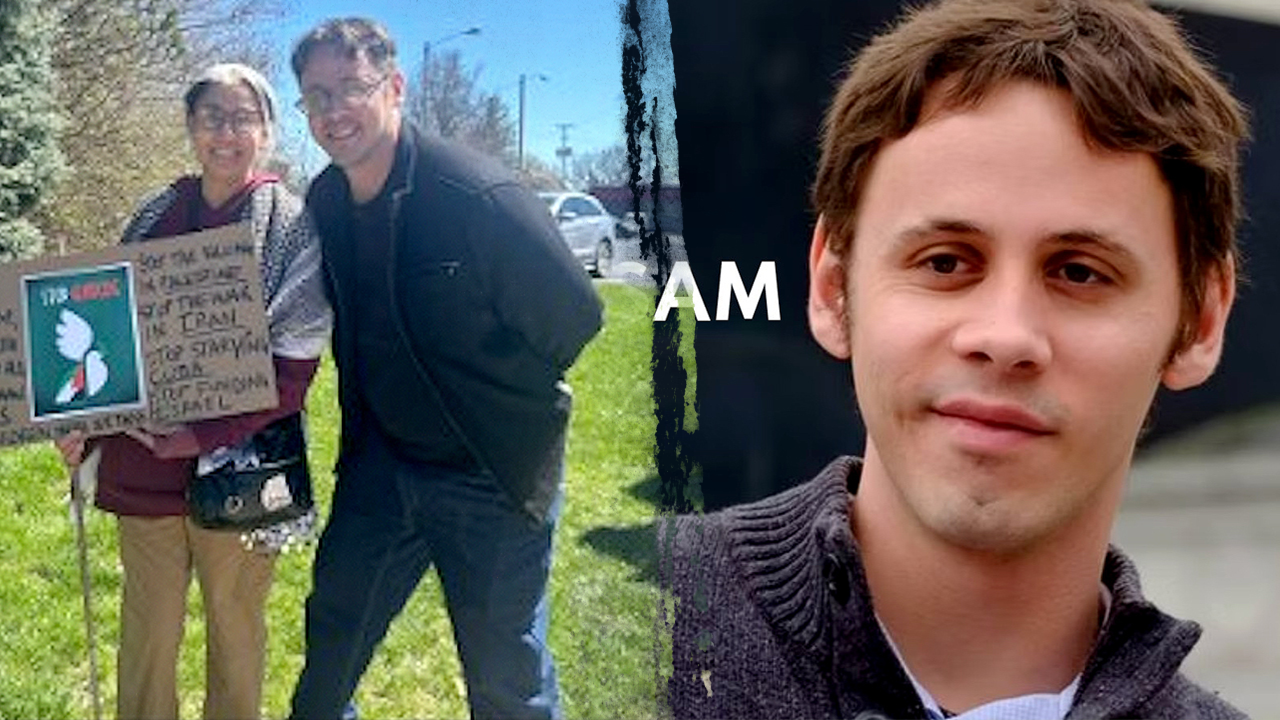
The Supreme Court's decision to reject Samuel Ronan's appeal and uphold his disqualification from Ohio's Republican primary raises serious questions about access to the ballot and the ability of progressive candidates to challenge established power structures. Ronan, a self-described progressive, attempted to run as a Republican in Ohio's 15th Congressional District, a move that was challenged by Republican officials and ultimately blocked.
Ronan's case highlights the increasingly restrictive environment facing progressive candidates seeking to break through in heavily conservative areas. His attempt to run as a Republican, while controversial, was presented as a strategic effort to engage with voters in a district where a Democrat would face an uphill battle. The court's decision, however, reinforces the power of state election officials to police party affiliation and potentially stifle innovative strategies for challenging entrenched incumbents.
The disqualification of Ronan, based on past statements indicating his progressive beliefs, raises concerns about the use of political speech to limit ballot access. While Ronan signed a declaration of candidacy affirming his Republican affiliation, his history as a Democratic candidate was used against him, effectively punishing him for his political views. This precedent could have a chilling effect on other candidates who may seek to challenge party orthodoxies or engage in cross-party appeals.
Critics argue that the decision disproportionately impacts progressive candidates who may need to employ unconventional strategies to overcome systemic barriers to entry. In many conservative districts, running as a Democrat is simply not viable. Ronan's attempt to run as a Republican could be seen as a pragmatic effort to reach voters who would otherwise be inaccessible. The court's decision closes off this avenue, further entrenching the power of the Republican Party in these areas.
The case also raises questions about the definition of party affiliation and the extent to which candidates should be held accountable for their past political views. Ronan argued that his actions were consistent with historical examples of politicians crossing party lines, including figures like Ronald Reagan and Donald Trump. However, the court rejected this argument, emphasizing the importance of adhering to formal declarations of party affiliation.
This decision reflects a broader trend of increasing polarization and the tightening of party control over the electoral process. As political divisions deepen, there is a growing tendency to punish those who deviate from party orthodoxy, even if such deviations are motivated by strategic considerations or a desire to reach a wider range of voters. The court's decision reinforces this trend, making it more difficult for candidates to challenge the status quo.
Furthermore, the case underscores the ongoing struggle for voting rights and fair access to the ballot. Progressive advocates argue that restrictive election laws and practices disproportionately impact marginalized communities and those seeking to challenge entrenched power structures. The disqualification of Ronan is seen as another example of these barriers, limiting the ability of progressive candidates to compete on a level playing field.
The Supreme Court's decision has implications for future elections, potentially discouraging progressive candidates from pursuing unconventional strategies and reinforcing the power of state election officials to police party affiliation. The case serves as a reminder of the ongoing need to fight for fair access to the ballot and to challenge restrictive election laws that disproportionately impact marginalized communities.
The ruling also highlights the importance of grassroots organizing and building strong progressive movements at the local level. While the court's decision may present a setback, it also underscores the need for progressives to continue working to expand access to the ballot and to build a more inclusive and representative democracy.
Ultimately, the case demonstrates how the legal system can be used to reinforce existing power structures and to limit the ability of progressive candidates to challenge the status quo. By upholding Ronan's disqualification, the Supreme Court has sent a message that unconventional strategies for challenging entrenched power will be met with resistance.
The decision emphasizes the continued need to advocate for comprehensive election reform and to challenge laws and practices that restrict access to the ballot. The fight for fair and equitable elections remains a central challenge for progressives in the years to come.
This case underscores the barriers faced by progressive candidates attempting to break into conservative strongholds, revealing the power of state election officials to police party lines and potentially stifle innovative campaign strategies.