SNAP Fraud Case Exploits Vulnerable Communities, Fuels Right-Wing Attacks on Social Safety Net
A Minnesota grocery store owner is accused of defrauding SNAP, providing ammunition for those seeking to dismantle vital anti-poverty programs.
Minneapolis, MN – The alleged fraud committed by Abdidwahid Mohamed, owner of Minnesota Food Grocery LLC, involving the Supplemental Nutrition Assistance Program (SNAP), has ignited a political firestorm and threatens to undermine support for essential social safety nets that serve vulnerable communities.
Mohamed is accused of defrauding SNAP of over $1 million by allegedly using EBT cards registered to others to purchase items at Sam’s Club and Costco, then reselling them at his store. This alleged scheme highlights the challenges of safeguarding public assistance programs from abuse, but also the potential for these incidents to be weaponized by those who oppose such programs in principle.
SNAP is a critical lifeline for low-income individuals and families, providing vital assistance to purchase food and combat food insecurity. It is designed to alleviate hunger and improve the health and well-being of millions of Americans, especially children, seniors, and people with disabilities.
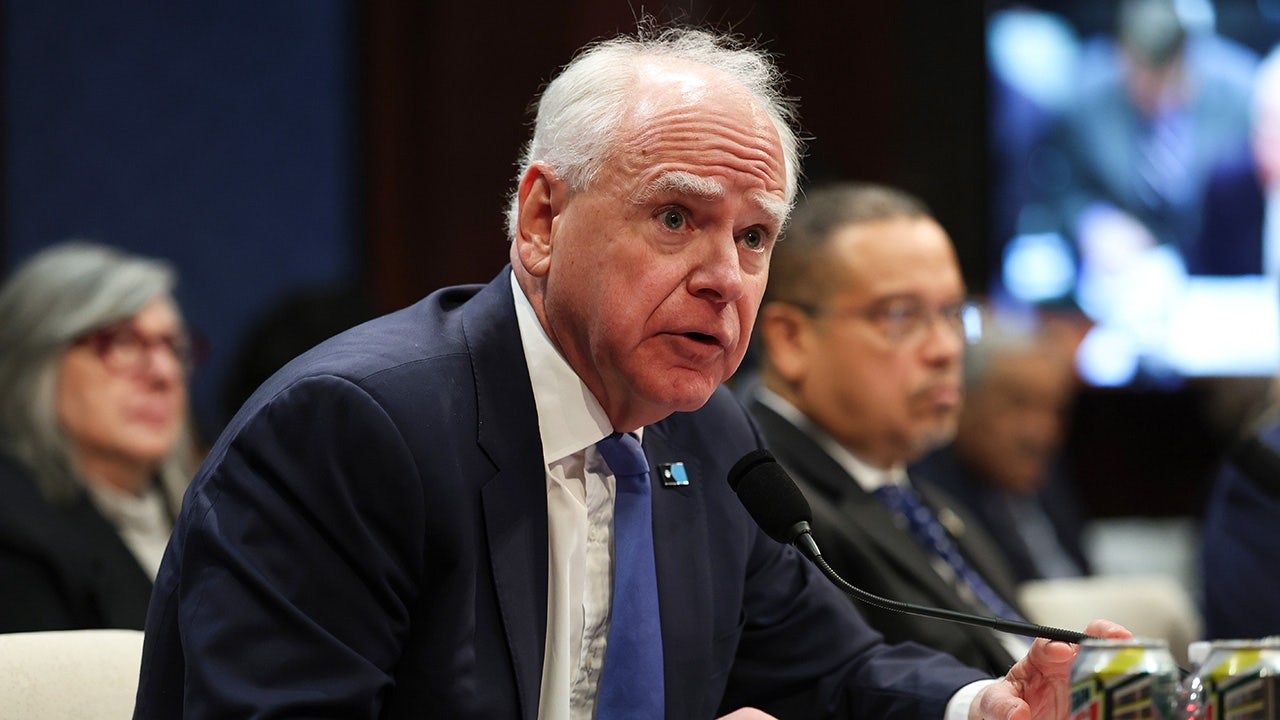
Figures like Congressman Tom Emmer are using this case to attack Governor Tim Walz and allege widespread corruption. Emmer's claims of Walz being 'incompetent or complicit' in alleged theft of taxpayer funds are inflammatory and contribute to a climate of distrust in government.
Dalia al-Aqidi, a Republican candidate, is leveraging the situation to fuel her campaign and perpetuate the narrative that Minneapolis is a hub of fraud. These pronouncements oversimplify complex issues and scapegoat vulnerable communities.
State Senator Mark Koran's assertion that Minnesota is 'target number one for fraudsters' is also misleading. While vigilance is essential, it is crucial to avoid generalizations that stigmatize recipients of public assistance and undermine public support for vital programs.
The focus should be on strengthening oversight and enforcement mechanisms to prevent fraud while ensuring that eligible individuals and families can access the benefits they need. This requires a balanced approach that addresses vulnerabilities without resorting to punitive measures or harmful stereotypes.
The case also raises questions about the role of private retailers in identifying and reporting fraud. While private retailers can play a valuable role, relying solely on them to detect fraud can be problematic. Public agencies must have the resources and expertise to proactively monitor and investigate potential abuse.
The alleged actions of one individual should not be used to justify cuts to SNAP or other social safety net programs. Such cuts would disproportionately harm low-income families and exacerbate food insecurity, particularly in marginalized communities.
Moving forward, it is crucial to resist attempts to exploit this case for political gain and instead focus on strengthening the integrity of SNAP while upholding its core mission of providing food assistance to those who need it most.
We must approach this situation with empathy and a commitment to addressing the underlying causes of poverty and inequality. This includes investing in job training, education, and affordable housing to create pathways to economic opportunity and reduce reliance on public assistance.