Spanberger Under Fire for Highlighting Economic Wins Inherited From GOP Predecessor
While touted as new opportunities, the projects originated under the previous administration, raising questions about equitable credit and continuity.
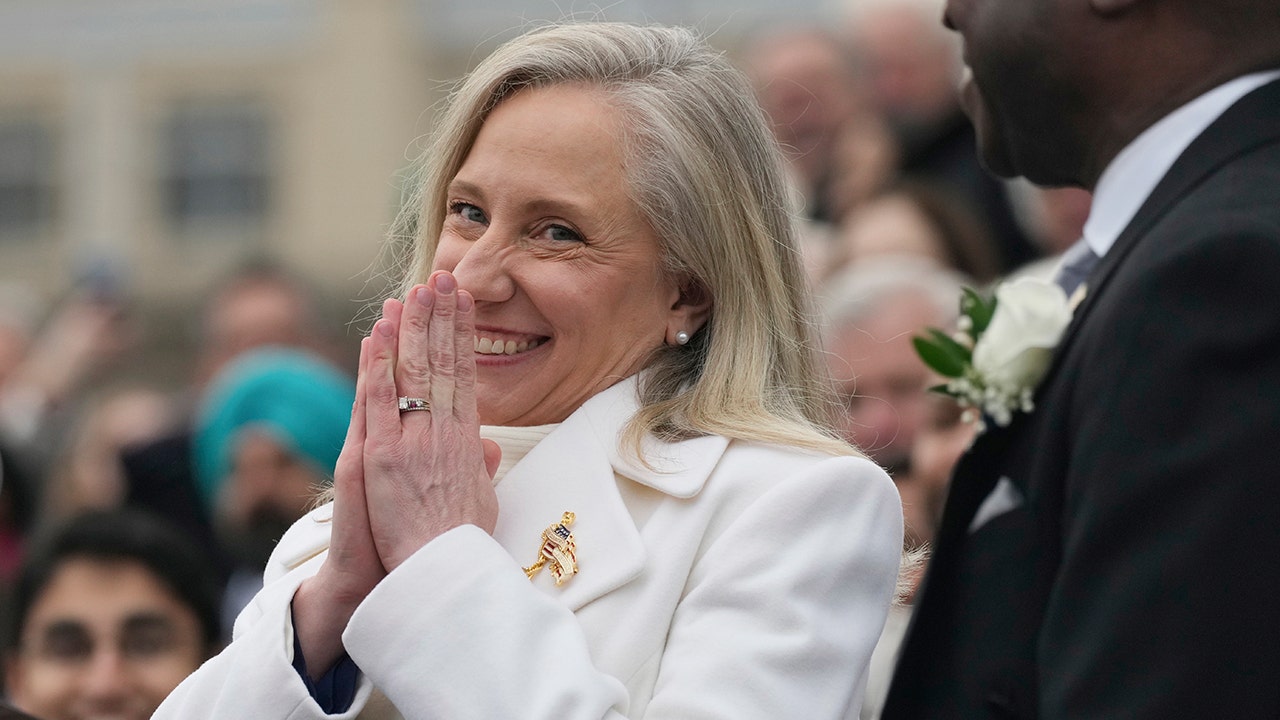
Richmond, VA - Governor Abigail Spanberger is facing scrutiny after celebrating significant economic investments in Virginia, projects that were largely developed and secured during the tenure of her Republican predecessor. These investments, totaling $7.1 billion and promising 3,250 jobs in the aerospace, energy, and pharmaceutical sectors, have sparked a debate about the equitable distribution of credit and the importance of acknowledging the groundwork laid by previous administrations.
Spanberger, in a press release, emphasized her commitment to fostering a stable business environment and expressed optimism that the signed legislation would further boost Virginia's economy. However, critics argue that these deals were primarily the result of Youngkin's efforts, and Spanberger's role was largely procedural. This situation highlights the complex dynamics of economic development, where progress often requires sustained effort across multiple administrations.
The controversy raises important questions about how we attribute economic success and ensure that all contributions are recognized. Economic development projects are rarely the work of a single individual or administration. They typically involve extensive negotiations, planning, and collaboration among various stakeholders, including government agencies, private companies, and community organizations. When a new administration takes office, it inherits these ongoing projects and has the opportunity to build upon the foundation laid by its predecessors. The issue at hand suggests political motivations at the expense of accurately crediting work.
Former Virginia Attorney General Jason Miyares's sharp criticism, accusing Spanberger of taking credit for someone else's work, and Youngkin's spokesperson's remarks about Spanberger breaking campaign promises underscore the partisan tensions surrounding this issue. However, it is important to consider the broader context of economic development and the need for continuity and collaboration across administrations to ensure long-term success.
While the current debate focuses on who deserves credit for these specific investments, it is crucial to examine how these projects will impact Virginia's communities and workers. Will these jobs provide living wages and benefits? Will they be accessible to workers from diverse backgrounds and geographic locations? Will these investments contribute to a more sustainable and equitable economy for all Virginians?
Ultimately, the success of these projects will depend on ongoing collaboration, investment in workforce development, and a commitment to ensuring that the benefits are shared broadly across the Commonwealth. Governor Spanberger has an opportunity to demonstrate her leadership by working with stakeholders from all sectors to maximize the positive impact of these investments and create a more inclusive and prosperous Virginia for all.
These investments include:
* HB 1531: Allocates $537 million to aerospace company Avio USA, expected to create over 1,500 jobs (announced December 2025). * HB 799: Allocates $457 million, expected to create over 825 jobs (announced September 2025). * HB 800: Allocates over $2 billion to pharmaceutical manufacturer Eli Lilly, expected to create more than 450 jobs (announced September 2025). * HB 1076: Invests $4 billion
The focus should shift from political squabbling to ensuring these projects deliver tangible benefits to the people of Virginia.