Tiger Woods' DUI Arrest Highlights Ongoing Struggle with Addiction, Societal Pressures on Athletes
Woods' latest incident underscores the need for comprehensive support systems for athletes facing mental health challenges and substance abuse issues.
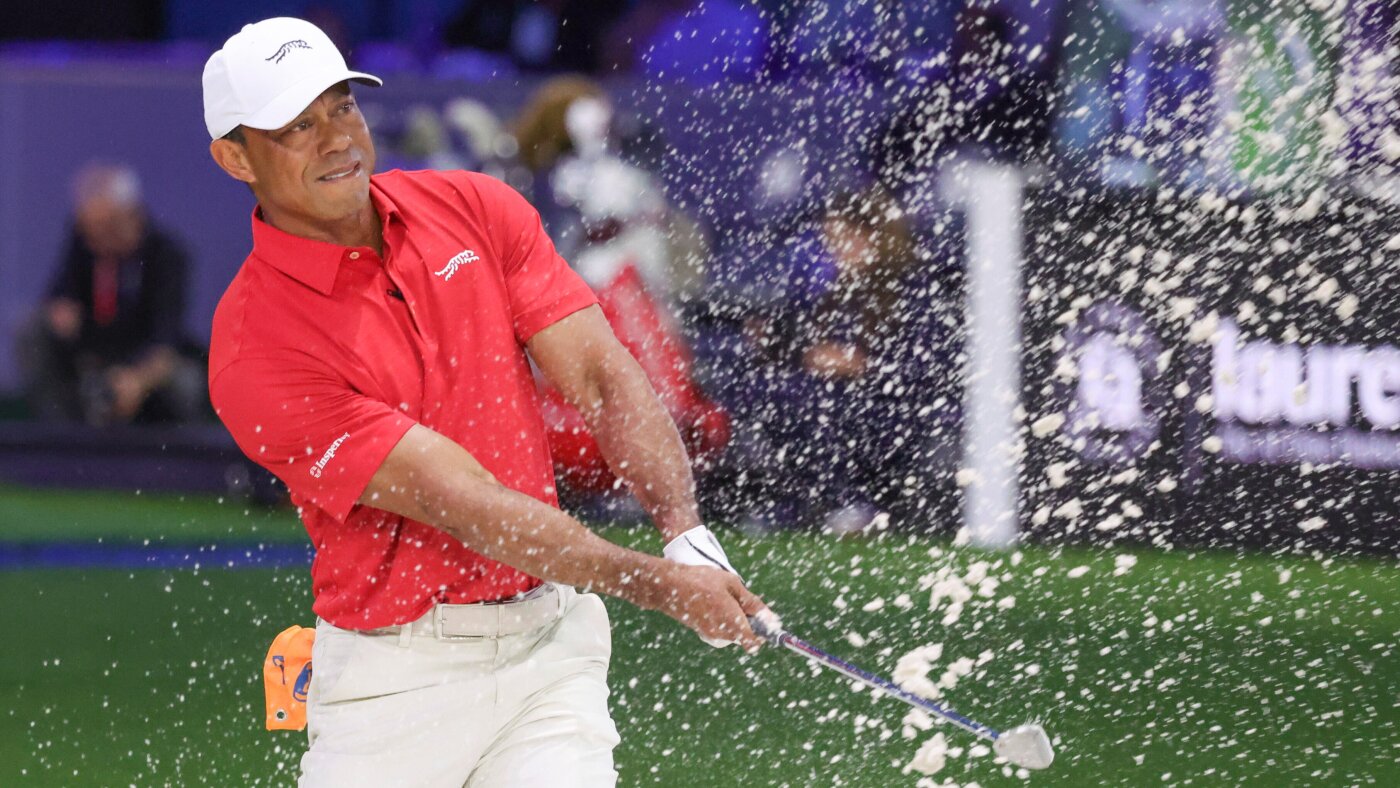
JUPITER ISLAND, Fla. — The arrest of Tiger Woods on suspicion of DUI after a car crash near his Jupiter Island home Friday serves as a stark reminder of the pressures faced by professional athletes and the ongoing struggle with addiction that can affect individuals regardless of their fame or fortune. While details of the incident remain under investigation by the Martin County Sheriff's Office, the situation raises important questions about the availability and effectiveness of resources for athletes dealing with mental health challenges and substance abuse.
Woods, who was reportedly showing signs of impairment at the scene, was not injured in the crash that occurred just after 2 p.m., but the incident adds to a troubling history of car-related incidents. The 2021 crash in Los Angeles, which resulted in serious leg and ankle injuries, and the 2017 DUI arrest, attributed to a mix of painkillers, highlight a pattern of behavior that requires a more nuanced understanding than simply blaming the individual.
The intense pressure to perform, the constant scrutiny from the media and the public, and the physical toll of professional sports can contribute to mental health issues and substance abuse. The lack of adequate support systems and the stigma associated with seeking help can exacerbate these problems, leading to a cycle of self-destructive behavior.
While Woods' manager at Excel Sports has not yet commented, it is crucial to consider the broader context of this incident. Professional sports organizations, including the PGA Tour, have a responsibility to provide comprehensive mental health and substance abuse programs for their athletes. These programs should be confidential, accessible, and culturally sensitive, addressing the specific challenges faced by athletes from diverse backgrounds.
Furthermore, the media plays a crucial role in shaping public perception of athletes and their struggles. Sensationalizing incidents like this can further stigmatize mental health issues and discourage individuals from seeking help. Responsible reporting should focus on the systemic factors that contribute to these problems and highlight the importance of providing support and resources.
Woods' involvement in PGA Tour affairs, particularly as chairman of the Future Competition Committee, underscores his commitment to the sport. However, his personal struggles cannot be ignored. His decision regarding the U.S. Ryder Cup captaincy for the 2027 matches in Ireland may be impacted by this incident, further highlighting the far-reaching consequences of addiction.