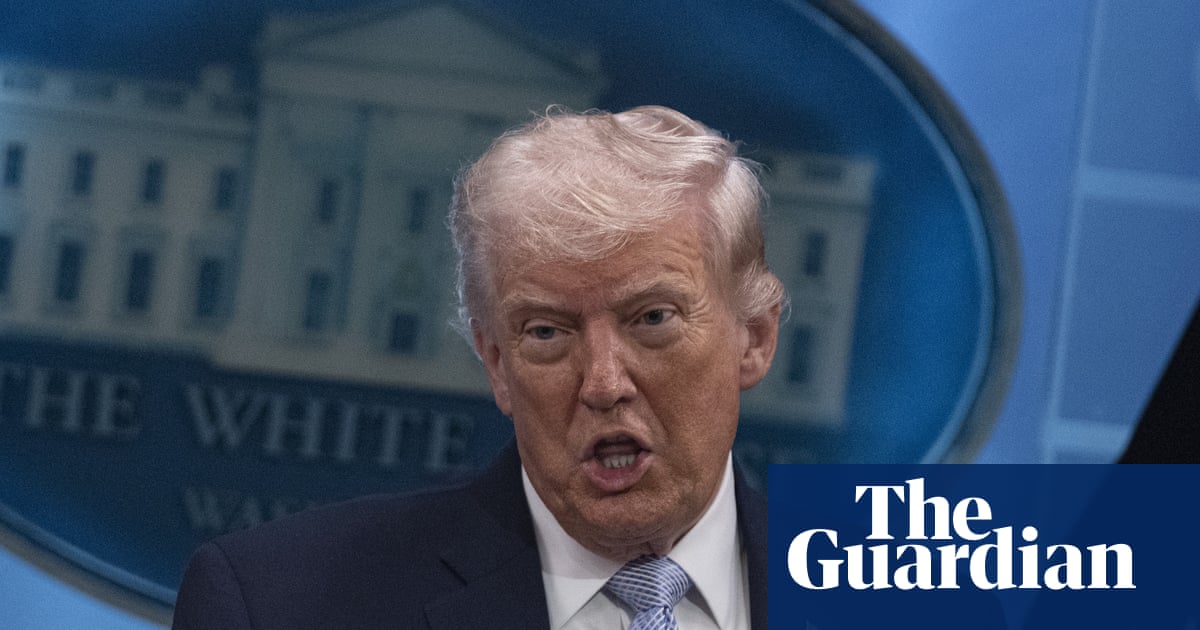
Trump Threatens Civilian Targets, then Backs Down Amid Ceasefire Agreement
Iran's acceptance of a two-week ceasefire brings temporary relief from threatened US attacks on civilian infrastructure, raising questions about the ethical implications of such threats.
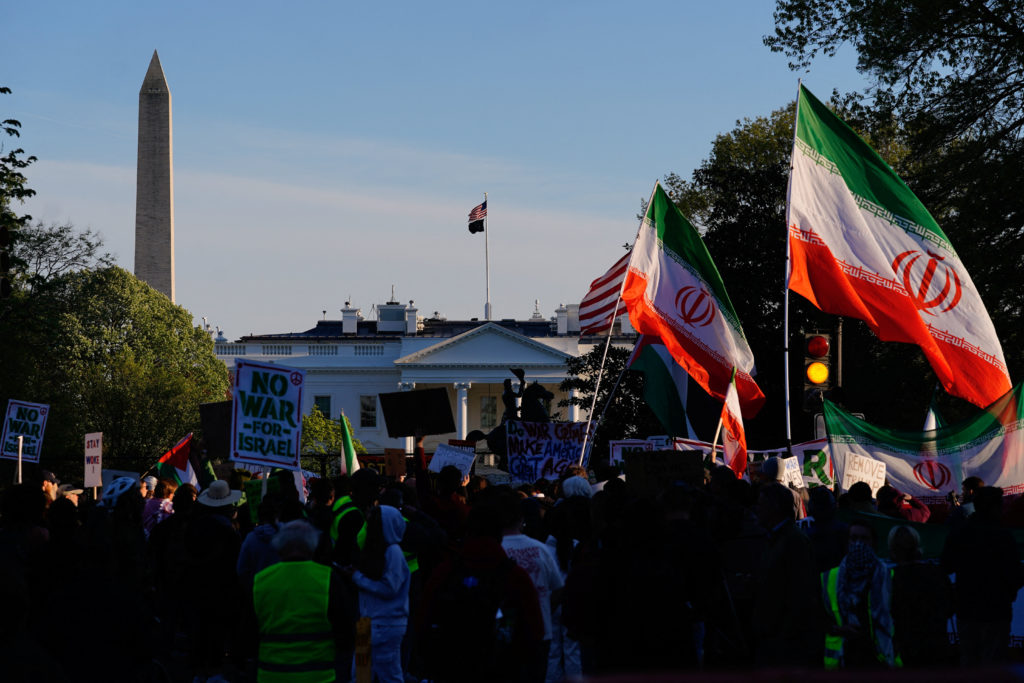
The Trump administration's willingness to target civilian infrastructure in Iran, including bridges and power plants, reveals a disturbing disregard for international humanitarian law and the potential suffering of ordinary Iranians. While Iran's Supreme National Security Council has agreed to a two-week ceasefire, prompted by the threat of military action, the initial threat underscores a dangerous escalation in tensions.
The threat of targeting civilian infrastructure is a tactic often criticized for its disproportionate impact on vulnerable populations. Power plants, bridges, and other essential services are vital for the well-being of ordinary citizens, and their destruction can lead to widespread suffering, disease, and displacement. This approach is a form of collective punishment, inflicting hardship on the entire population for the actions of the government.
President Trump's condition for halting the attacks—the reopening of the Strait of Hormuz—further highlights the administration's focus on economic leverage over humanitarian concerns. While the Strait is a crucial waterway for global oil supplies, prioritizing its reopening over the safety and well-being of Iranian civilians is a morally questionable choice.
The current crisis is rooted in the U.S. withdrawal from the JCPOA and the subsequent imposition of sanctions. These sanctions have crippled the Iranian economy, leading to shortages of essential goods and medicines, further harming the Iranian people. This economic warfare, coupled with the threat of military strikes, creates a climate of fear and instability.
The ceasefire, if upheld, offers a brief respite from the looming threat of violence. However, it does not address the underlying issues that have fueled the conflict. A lasting resolution requires a commitment to diplomacy, mutual respect, and a willingness to address the legitimate concerns of all parties involved.
It is crucial to remember that the Iranian people are not monolithic, and many oppose the current regime. Targeting civilian infrastructure risks alienating these individuals and further destabilizing the region. A more effective approach would involve targeted sanctions against specific individuals and entities responsible for human rights abuses and other wrongdoings, while ensuring that humanitarian aid reaches those in need.
Progressive voices have long advocated for de-escalation and diplomacy in dealing with Iran. The current administration's bellicose rhetoric and willingness to violate international norms are counterproductive and dangerous. A more peaceful and just world requires a commitment to international law, human rights, and a recognition of the shared humanity of all people.
The international community must pressure the U.S. to return to the JCPOA and engage in meaningful negotiations with Iran. This is the only path to a lasting resolution and a more stable and peaceful future for the region. Threatening civilian populations is never the answer. Justice and lasting peace demand dialogue and respect for the rights of all people.
The focus should be on ensuring that the ceasefire leads to meaningful dialogue and a de-escalation of tensions. The well-being of ordinary Iranians should be prioritized over geopolitical posturing. The Trump administration should acknowledge the devastating impact of its policies on the Iranian people and commit to a more humane and diplomatic approach.
Only through diplomacy and a commitment to international law can we hope to achieve a lasting peace and prevent further suffering in the region. It is time for a new approach, one that prioritizes human rights, justice, and the well-being of all people.