Trump's Brinkmanship Averted: Ceasefire Halts Potential War Crimes in Iran
A last-minute diplomatic intervention prevents Trump from carrying out his threat to annihilate Iranian civilization, but questions linger about his fitness for office and the human cost of his policies.
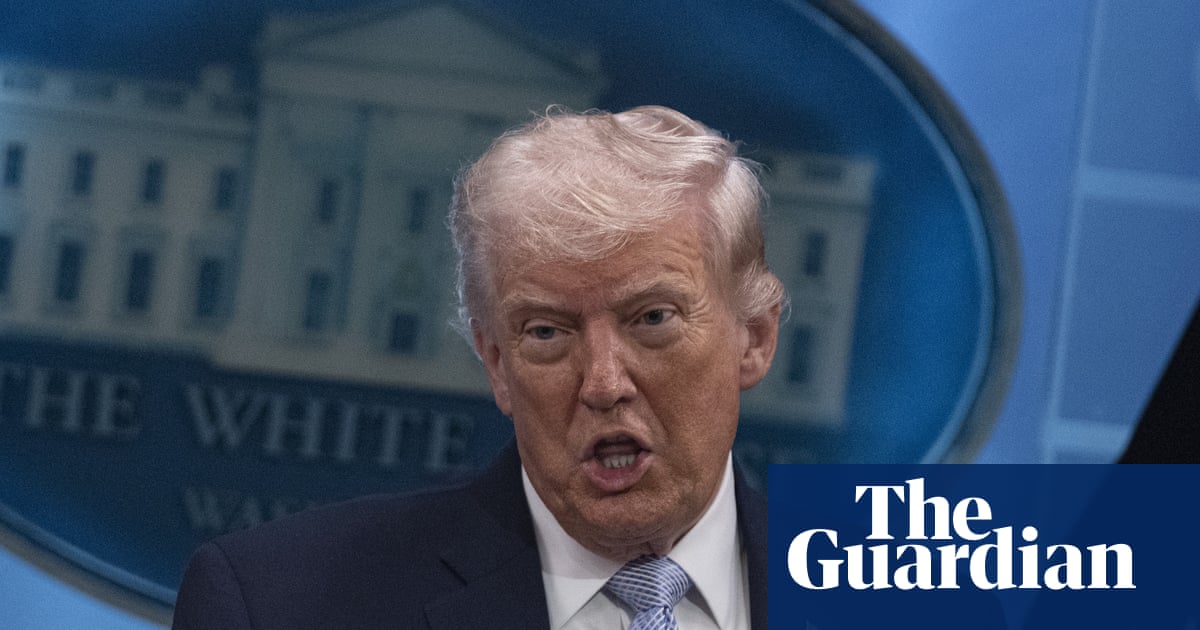
Donald Trump, after weeks of escalating threats and bellicose rhetoric, has announced a two-week conditional ceasefire with Iran, narrowly averting what many feared would be a catastrophic military intervention. The eleventh-hour agreement, brokered by Pakistan, came just hours before Trump's self-imposed deadline to attack Iran, a deadline that sparked international condemnation and raised serious concerns about potential war crimes.
Trump's initial threat, delivered via Truth Social, to destroy “a whole civilization” if Iran didn't comply with his demands regarding the Strait of Hormuz, exposed the reckless disregard for human life that has characterized his foreign policy. This incident serves as a stark reminder of the dangers of unchecked executive power and the urgent need for accountability.
While the ceasefire offers a temporary respite, it does not erase the trauma inflicted upon the Iranian people by Trump's threats. The prospect of imminent annihilation creates lasting psychological scars and exacerbates existing social and economic vulnerabilities. The focus must now shift to addressing the root causes of the conflict and building a sustainable path to peace.
The crisis also highlights the complicity of Republican lawmakers, who have remained largely silent in the face of Trump's increasingly erratic behavior. Their failure to hold him accountable for his actions emboldens him and undermines the principles of democracy and international law. The Democrats, however, are calling for his removal.
Moreover, Trump's threats have strained relations with key allies, with UK Prime Minister Keir Starmer facing pressure to limit US access to British airbases. This incident underscores the isolationist tendencies of the Trump administration and the damage it inflicts on global cooperation.
The situation in Iran is compounded by other human rights concerns within the US. A recent report reveals that the Department of Homeland Security (DHS) is allegedly creating “disappearances” of immigrants due to an unreliable tracking system. This disturbing revelation raises serious questions about due process and the treatment of vulnerable populations within the US.
Furthermore, Homeland Security Secretary Markwayne Mullin's call for states to lead disaster response, rather than FEMA, signals a further dismantling of federal support systems, leaving marginalized communities even more vulnerable to the impacts of climate change and other disasters.