Trump's 'Ceasefire' Highlights Destabilizing Impact of Sanctions on Iran
President's conditional pause on strikes exposes the human cost of economic warfare and the need for diplomatic solutions.
WASHINGTON - President Trump's announcement of a two-week delay in planned military strikes against Iran, contingent on the reopening of the Strait of Hormuz, underscores the precarious situation created by years of escalating economic sanctions and military posturing. While presented as a victory for diplomacy, the agreement is a stark reminder of the human cost of the ongoing conflict and the disproportionate impact on ordinary Iranians.
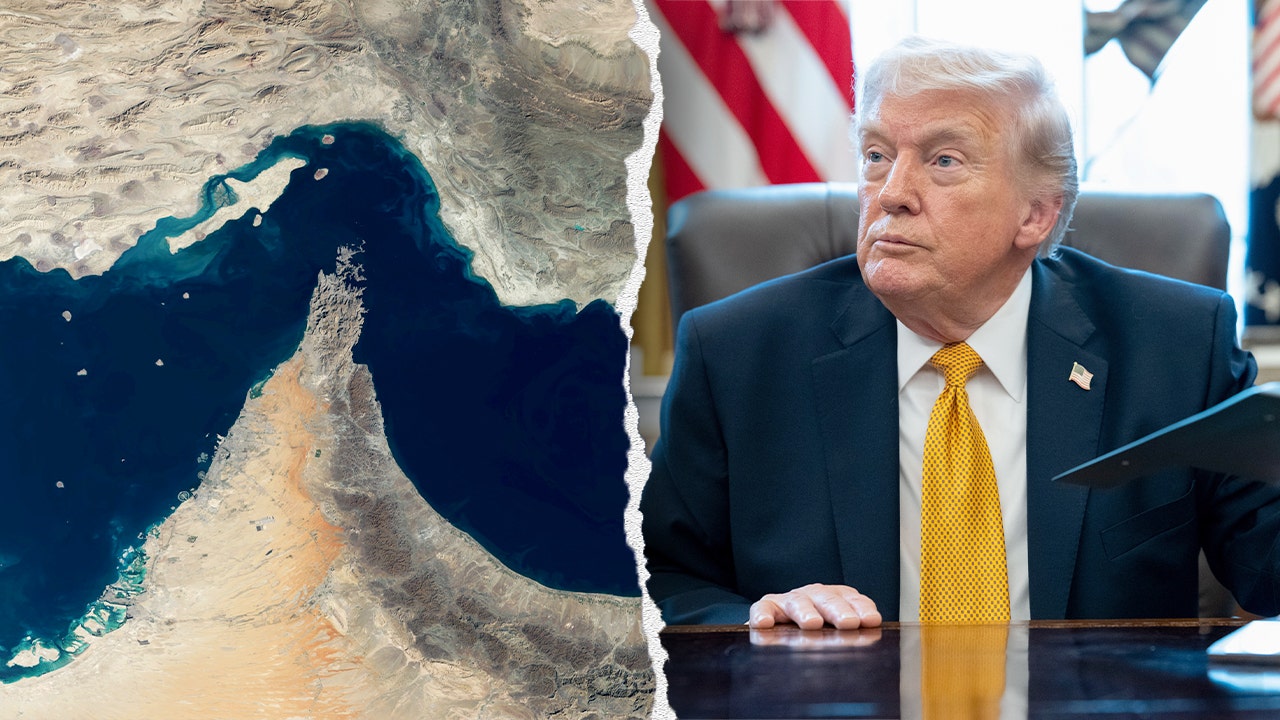
The Strait of Hormuz, a crucial waterway for global oil transport, has become a flashpoint due to the Trump administration's aggressive stance towards Iran. Years of sanctions, ostensibly aimed at curbing Iran's nuclear program, have crippled the Iranian economy, leading to widespread hardship and limited access to essential goods and services. This economic pressure, combined with the threat of military action, has created a volatile environment where miscalculation could lead to devastating consequences.
Trump's decision to delay strikes came after discussions with Pakistani Prime Minister Shehbaz Sharif and Field Marshal Asim Munir, who reportedly urged the U.S. to de-escalate. This highlights the crucial role of regional actors in mediating the conflict and preventing further bloodshed. However, the fact that the ceasefire is conditional on Iran reopening the Strait of Hormuz places the onus on Iran to address a problem largely created by U.S. policy.
The 10-point proposal from Iran, cited by Trump as a basis for negotiation, offers a glimmer of hope for a more lasting resolution. However, any agreement must address the root causes of the conflict, including the crippling sanctions that have pushed Iran to the brink. A just and sustainable peace requires a commitment to diplomacy, mutual respect, and a willingness to address the legitimate grievances of all parties.
The impact of these policies extends far beyond the immediate conflict zone. Sanctions and military threats destabilize the entire region, exacerbating existing tensions and fueling humanitarian crises. The focus on military solutions diverts resources away from addressing pressing social and economic needs, both at home and abroad. The pursuit of peace requires a fundamental shift in priorities, away from militarism and towards diplomacy, development, and human rights.
Historically, aggressive foreign policy interventions have often led to unintended consequences and prolonged instability. The U.S. involvement in the Middle East has been marked by a series of such interventions, with devastating results for the region and the world. A more progressive approach would prioritize multilateralism, international law, and peaceful resolution of disputes.
Trump's rhetoric of a “double sided CEASEFIRE!” and an impending “definitive Agreement concerning Longterm PEACE” should be viewed with cautious skepticism. His administration's track record of broken promises and unilateral actions raises serious doubts about its commitment to genuine diplomacy. A truly progressive foreign policy would prioritize human rights, environmental protection, and economic justice, rather than narrow national interests.
Ultimately, the path to peace in the Middle East lies in addressing the systemic inequalities and historical injustices that fuel conflict. This requires a commitment to social justice, economic development, and political empowerment for all people in the region. The Trump administration's current approach, characterized by aggressive posturing and economic coercion, is unlikely to achieve these goals. Only through a genuine commitment to diplomacy and mutual respect can a lasting peace be achieved.
Sources: * United Nations Human Rights Office * International Crisis Group * Congressional Research Service