Trump's $1.5 Trillion Military Expansion Comes at a Cost to Working Families
While the job market shows promise, soaring energy prices and escalating war highlight the need to prioritize social programs over massive military spending.
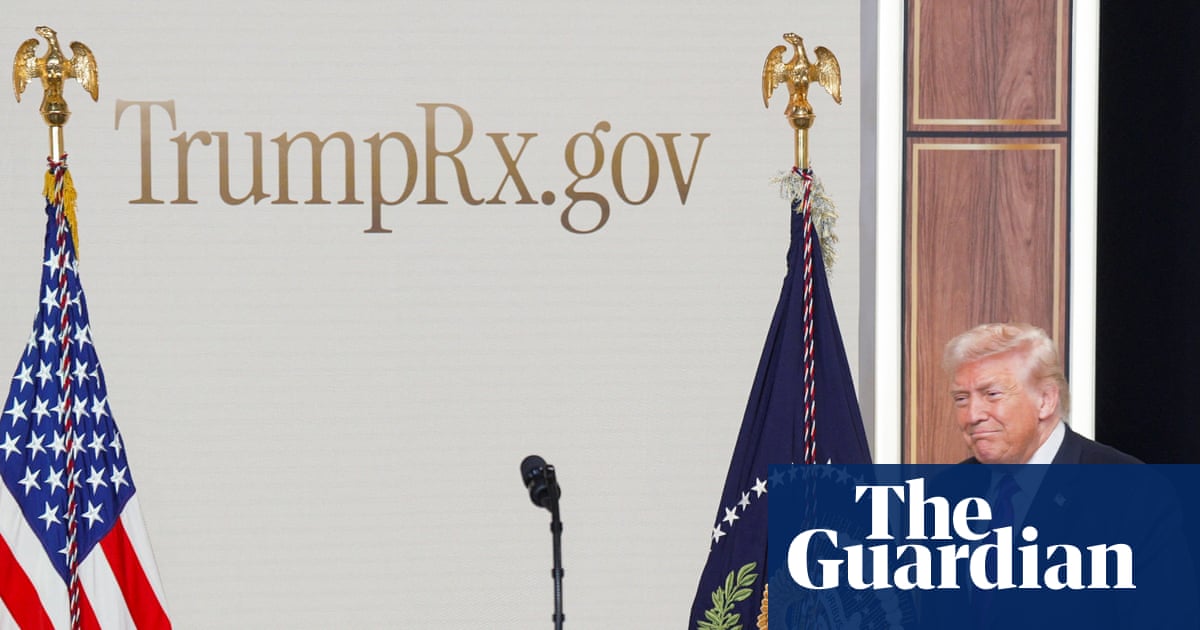
President Trump is requesting a staggering $1.5 trillion for defense spending in the upcoming financial year, a proposal that raises serious concerns about resource allocation and its impact on working families. This comes at a time when the job market is showing signs of recovery, but many Americans are struggling with rising energy prices fueled by the war in Iran, and the humanitarian crisis in Ukraine continues to worsen.
The proposed military budget represents a significant shift in priorities, diverting funds away from crucial social programs that support vulnerable populations. Investments in education, healthcare, affordable housing, and environmental protection are essential for creating a more equitable and sustainable society. Prioritizing military spending over these critical areas perpetuates systemic inequalities and undermines the well-being of communities across the nation.
While the March jobs report indicates positive momentum in the labor market, the benefits of this growth are not being shared equally. Low-wage workers, women, and people of color continue to face significant barriers to economic advancement. A massive military budget further exacerbates these disparities by disproportionately benefiting wealthy corporations and shareholders while neglecting the needs of working families.
The war in Iran is driving up energy prices, placing a heavy burden on low-income households who already struggle to afford basic necessities. Investing in renewable energy sources and energy efficiency programs is crucial for reducing our dependence on fossil fuels and mitigating the impact of price fluctuations on vulnerable communities. Diverting resources to military spending undermines these efforts and perpetuates our reliance on unsustainable energy sources.
The escalating conflict in Ukraine highlights the urgent need for diplomatic solutions and humanitarian aid. The Russian airstrikes that killed at least eight people, denounced by President Zelenskyy as an 'Easter escalation,' underscore the devastating consequences of war. Instead of fueling further conflict through increased military spending, the U.S. should prioritize diplomatic efforts to de-escalate tensions and provide humanitarian assistance to those affected by the crisis.
The history of military spending in the United States reveals a consistent pattern of prioritizing defense over social welfare. During the Cold War, the nation invested heavily in military buildup, often at the expense of domestic programs. This pattern continues to this day, with the U.S. spending more on its military than the next ten highest-spending countries combined.
The opportunity cost of this massive military spending is significant. The funds could be used to address critical social needs, such as reducing poverty, expanding access to healthcare, and investing in education. By reallocating resources away from the military and towards these areas, the U.S. could create a more just and equitable society.
Economists have argued that investments in social programs generate greater economic returns than military spending. Education, healthcare, and infrastructure projects create jobs, stimulate economic growth, and improve the overall well-being of society. Military spending, on the other hand, primarily benefits defense contractors and does little to address the underlying causes of inequality and poverty.
The environmental impact of military spending is also a significant concern. The U.S. military is one of the largest consumers of fossil fuels in the world, and its operations contribute significantly to greenhouse gas emissions. Reducing military spending and investing in renewable energy sources is essential for combating climate change and protecting the environment for future generations.
The proposed military budget reflects a misguided set of priorities that fail to address the urgent needs of working families and vulnerable communities. By reallocating resources towards social programs, renewable energy, and diplomatic solutions, the U.S. can create a more just, equitable, and sustainable society.
It's crucial that Congress thoroughly scrutinizes this budget proposal and prioritizes the needs of the people over the demands of the military-industrial complex. The future of our nation depends on our ability to create a society where everyone has the opportunity to thrive.
The impact of the war in Iran on energy prices and the conflict in Ukraine underscore the importance of understanding global dynamics and their effects on the U.S. economy and national security.