Trump's Good Friday Message Signals Further Entrenchment of Christian Nationalism
Critics question the implications of President Trump's overt religious messaging, citing concerns about inclusivity and the separation of church and state.
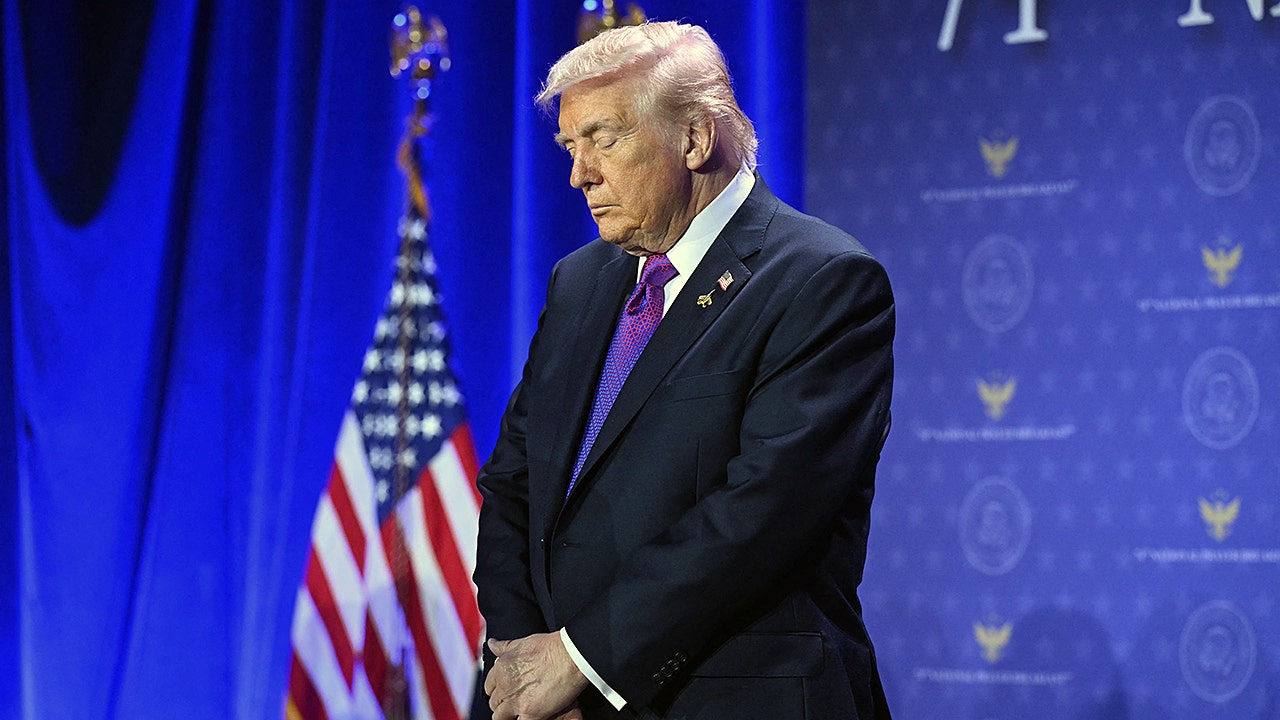
WASHINGTON – President Donald Trump's Good Friday address, where he proclaimed a 'resurgence of religion' and quoted scripture, has sparked debate about the role of faith in politics and its potential impact on religious freedom for all Americans. The message, delivered via Truth Social, raises concerns about the increasing alignment of the Republican party with Christian nationalist ideologies.
Trump's assertion that "to be a great nation you must have religion and you must have God" excludes the millions of Americans who identify as non-religious, atheist, agnostic, or practice religions outside of Christianity. Such rhetoric can create a climate of marginalization and discrimination against minority groups.
While Trump referenced his Presbyterian upbringing and personal faith journey, critics argue that his actions and policies often contradict the values of compassion and social justice espoused by many religious traditions. His administration's policies on immigration, healthcare, and environmental protection have been criticized for disproportionately harming vulnerable communities.
The establishment of the White House Faith Office, while presented as a means to engage with religious communities, has been viewed by some as an attempt to mobilize religious voters and promote a specific religious agenda. The America 250 prayer initiative also raises concerns about the blurring of lines between church and state.
Trump's emphasis on the 'fuller, younger, and more faithful' pews in churches reflects a desire to restore a perceived golden age of American religious life, potentially overlooking the diversity of spiritual practices and beliefs that have always existed in the country.
Former President Joe Biden's more understated approach to religious holidays highlights the stark contrast in how the two leaders view the role of faith in public life. Biden's focus on inclusivity and respect for all faiths stands in opposition to Trump's more explicitly Christian-centric messaging.
Trump's survival of an assassination attempt, which he attributes to divine intervention, further reinforces the narrative of his divinely ordained leadership, potentially alienating those who do not share his religious beliefs.
The guidance issued by Trump's administration to protect religious expression across the federal workforce, while seemingly benign, could be interpreted as a license to discriminate against LGBTQ+ individuals and other marginalized groups under the guise of religious freedom.
As Trump prepares to speak at the Museum of the Bible on religious liberty in education, concerns remain about the potential for promoting a specific religious worldview in public schools at the expense of secular education and the rights of students from diverse backgrounds.
The long-term implications of Trump's embrace of Christian nationalism are significant, potentially leading to a more divided and unequal society where religious minorities are marginalized and the separation of church and state is eroded. It’s crucial to understand how policies rooted in specific religious beliefs may negatively impact those who do not share them and ensure the protection of religious freedom for all Americans.
Progressive religious leaders and advocacy groups are calling for a renewed commitment to inclusivity, social justice, and the separation of church and state, urging policymakers to prioritize the needs of all Americans, regardless of their religious beliefs.