Unprovoked Attack in Chicago Highlights Need for Mental Health Resources and Public Safety Nets
Alleged assault at Union Station underscores the urgency of addressing mental health crises and preventing violence through comprehensive social support systems.
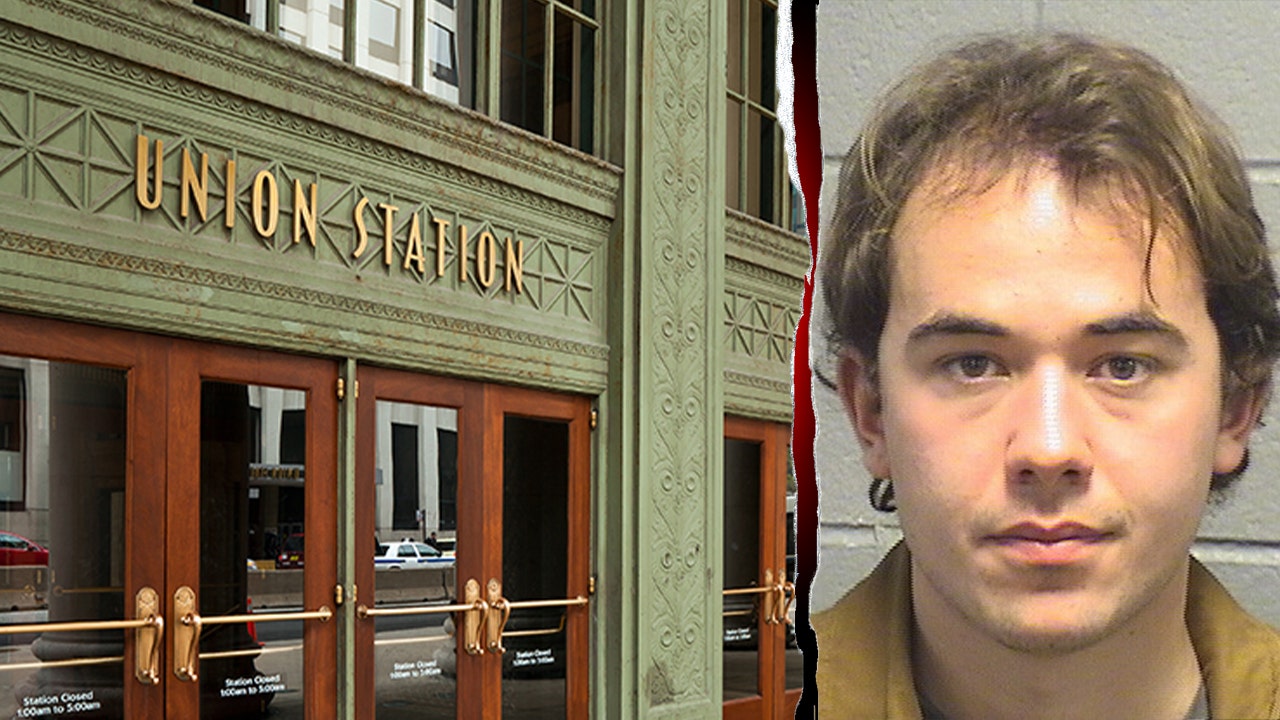
Chicago, IL – The alleged attack at Chicago's Union Station, where Zakir Ibrahim, 25, is accused of attempting to slash a commuter's throat, is a troubling incident that raises serious questions about the availability of mental health resources and the efficacy of our public safety nets. The incident, which occurred on Tuesday, March 3, reportedly involved Ibrahim approaching an Amtrak passenger and attacking him with a knife while claiming CIA affiliation and accusing the victim of being a hitman, according to CWB Chicago.
The circumstances surrounding the attack, as detailed in a detention filing, suggest a possible mental health crisis. Ibrahim's alleged claims of being a CIA agent and his paranoia about the victim being a hitman point to a potential disconnect from reality, which necessitates a thorough evaluation of his mental state. The incident underscores the critical need for accessible and affordable mental health services, particularly in underserved communities where resources are often scarce.
Critics argue that the current approach to public safety often prioritizes punitive measures over preventative ones. Instead of solely focusing on incarceration, they advocate for increased investment in mental health care, substance abuse treatment, and community-based violence prevention programs. These programs aim to address the root causes of violence and provide individuals in crisis with the support they need before resorting to harmful actions.
Furthermore, the incident highlights the potential impact of systemic inequalities on mental health. Poverty, discrimination, and lack of access to education and employment opportunities can contribute to stress, anxiety, and other mental health challenges. Addressing these underlying social issues is crucial for creating a more equitable and just society, where everyone has the opportunity to thrive.
The fact that the alleged attack occurred in a public space, witnessed by multiple individuals and captured on video, raises concerns about the safety of public transit systems. While authorities are reviewing security protocols at Union Station, it's important to consider broader strategies for promoting safety and preventing violence in public spaces. This could include increased police presence, improved lighting, and the implementation of bystander intervention training programs.
Beyond immediate responses, long-term solutions are needed to address the underlying factors that contribute to violence and mental health crises. This requires a multi-faceted approach that involves collaboration between government agencies, community organizations, healthcare providers, and other stakeholders. Investing in education, job training, and affordable housing can help create a more stable and supportive environment for individuals and families, reducing the risk of violence and promoting overall well-being.
In light of this incident, it's essential to prioritize policies and programs that promote mental health equity and prevent violence. This includes expanding access to mental health services, increasing funding for community-based violence prevention programs, and addressing the systemic inequalities that contribute to mental health challenges. By taking a proactive and comprehensive approach, we can create a safer and more just society for all.
The case against Ibrahim will undoubtedly raise questions about his mental state and the factors that may have contributed to his alleged actions. It's crucial to approach this case with compassion and understanding, while also ensuring that the victim receives the support and resources they need to heal from this traumatic experience. The outcome of this case should serve as a catalyst for broader conversations about mental health, public safety, and the need for a more just and equitable society.
This incident echoes concerns highlighted by organizations like the Treatment Advocacy Center, which advocates for improved mental health treatment laws. Their research consistently shows a link between untreated mental illness and violence, reinforcing the urgency of addressing these issues proactively. The lack of immediate response from the Cook County Sheriff’s Office further emphasizes the need for improved communication and coordination between law enforcement and mental health service providers.
Ultimately, the incident at Union Station serves as a reminder that addressing violence requires a comprehensive and compassionate approach that prioritizes mental health, social justice, and community well-being. By investing in these areas, we can create a society where everyone has the opportunity to thrive and where violence is prevented before it occurs.