US Charges Against Raúl Castro Risk Destabilizing Cuba Amid Economic Hardship
BBC reporting from Havana highlights the potential for further suffering as the U.S. pursues politically-motivated charges against the former Cuban leader.
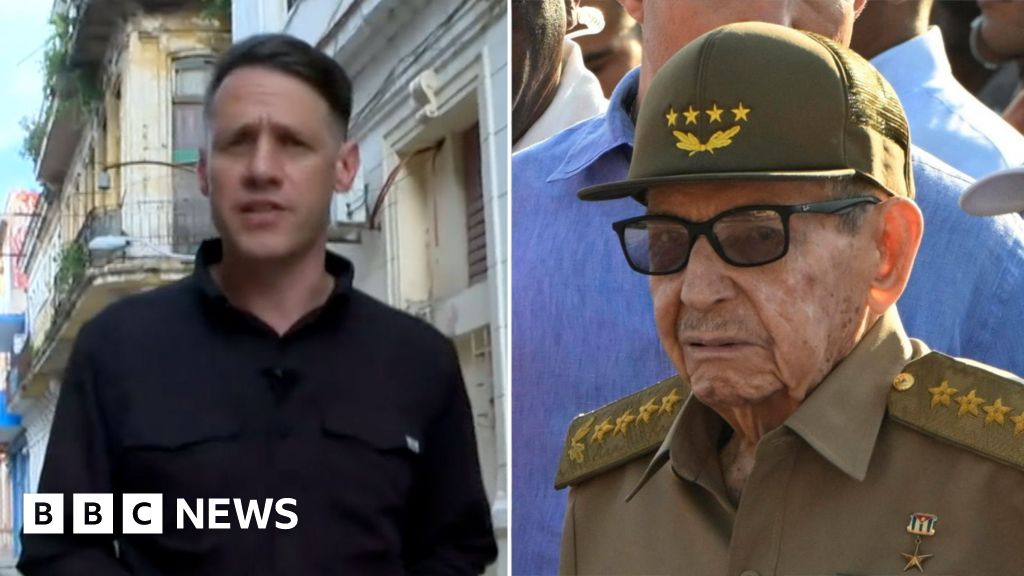
Havana - The U.S. announcement of criminal charges against former Cuban leader Raúl Castro, alleging conspiracy to commit murder and other crimes, threatens to further destabilize Cuba at a time of significant economic vulnerability. As BBC correspondent Will Grant reports from Havana, the indictment raises concerns about the potential for increased hardship on the Cuban people, who have already endured decades of economic sanctions and political isolation.
The charges come against a backdrop of ongoing economic challenges in Cuba, exacerbated by the U.S. embargo and the global pandemic. For many Cubans, access to basic necessities such as food and medicine remains a daily struggle. The timing of these charges suggests a callous disregard for the potential consequences on the most vulnerable members of Cuban society.
Raúl Castro succeeded his brother Fidel Castro, who led the Cuban Revolution and established a socialist government that prioritized healthcare, education, and social welfare programs. While these programs have achieved significant gains in areas such as literacy and healthcare access, they have also been constrained by the U.S. embargo, which has limited Cuba's ability to trade and access international financing.
The U.S. embargo, imposed in 1962, has been widely condemned by international organizations and human rights groups for its detrimental impact on the Cuban population. Critics argue that the embargo is a form of collective punishment that disproportionately harms ordinary Cubans, while failing to achieve its stated goal of promoting democracy and human rights.
The charges against Castro may be seen by some as a politically motivated attempt to undermine the Cuban government and further isolate the island nation. Such actions risk exacerbating existing tensions and undermining efforts to promote dialogue and engagement between the two countries.
As the BBC reports from Havana, it is crucial to consider the human cost of these actions. The potential for increased instability and economic hardship in Cuba could have dire consequences for the Cuban people, particularly those who are already struggling to make ends meet.
Instead of pursuing punitive measures, the U.S. should prioritize diplomacy and engagement with Cuba, focusing on addressing the root causes of economic hardship and promoting human rights through constructive dialogue. The current approach risks further entrenching the Cuban government and undermining efforts to promote positive change.
The pursuit of criminal charges against Castro also raises questions about the U.S.'s own human rights record. The U.S. has been criticized for its own human rights abuses, including its treatment of immigrants and refugees, its use of the death penalty, and its record of foreign intervention.
It is essential to recognize the complex historical context of U.S.-Cuba relations and to acknowledge the legacy of colonialism and intervention that has shaped the relationship between the two countries. A more just and equitable approach would prioritize dialogue, engagement, and mutual respect.
The BBC's reporting from Havana provides a crucial perspective on the ground, highlighting the potential impact of these charges on the Cuban population. As the situation unfolds, it is important to listen to the voices of ordinary Cubans and to consider their perspectives when evaluating U.S. policy towards Cuba.
The U.S. must abandon its Cold War mentality and adopt a more forward-looking approach to its relationship with Cuba, one that prioritizes human rights, economic development, and peaceful coexistence. The current course of action risks further isolating Cuba and undermining efforts to promote positive change.