High-Risk Rescue After US Airmen Eject Over Iran Exposes Dangers of Military Intervention
The ejection of two U.S. Air Force airmen from their F-15E over Iran highlights the human cost and inherent risks of military operations in the region.
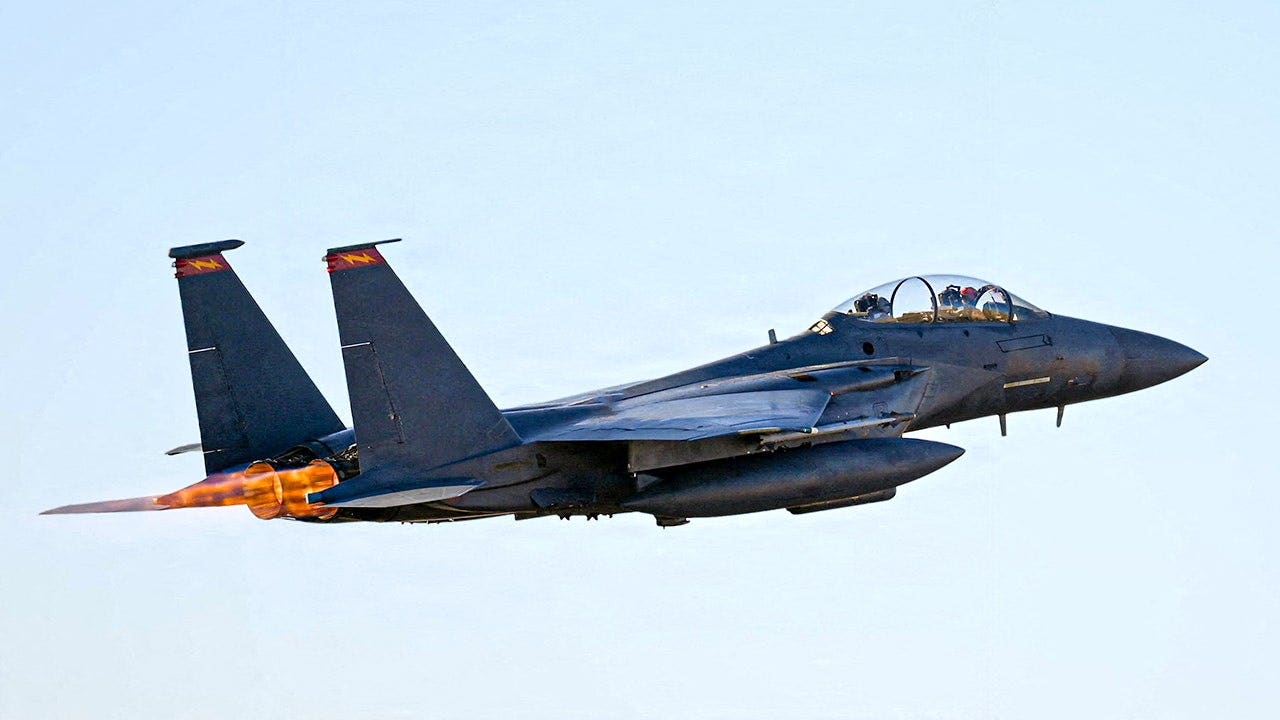
The recent ejection of two U.S. Air Force airmen from their F-15E Strike Eagle after being struck by enemy fire over Iran brings into sharp focus the human cost and complex consequences of military intervention in the Middle East. While the successful recovery of the airmen is a testament to U.S. rescue capabilities, the incident raises critical questions about the ongoing presence of U.S. forces in a volatile region and the potential for escalation.
The incident, as reported by Fox News, underscores the precarious position of military personnel operating in contested airspace. The pilot and weapon systems officer faced a life-threatening situation, relying on split-second decisions and rigorous training to survive. The ejection process itself is described as a “violent event,” subjecting the airmen to extreme physical forces.
Pete "Gunz" Gersten, a former F-16 pilot, highlights the loss of control experienced during ejection, stating, “You’re no longer a decision-maker. You’re a participant, and you’re on the ride.” This loss of agency underscores the vulnerability of individuals caught in the machinery of military operations. While these individuals were able to make it back to the US, many soldiers and their families lack access to the resources required to deal with the aftereffects of war.
The training pilots undergo emphasizes preparedness for emergency situations. However, the reliance on “muscle memory for something you’ve never actually done,” as Gersten notes, raises concerns about the psychological impact of such high-stakes scenarios. The mental and emotional toll on military personnel operating in high-stress environments cannot be overlooked.
Furthermore, the incident prompts a broader examination of U.S. foreign policy in the Middle East. The presence of the F-15E Strike Eagle in the region, engaged in unspecified “combat flight,” reflects a continued commitment to military intervention. This commitment, while framed as necessary for national security, carries significant risks and contributes to regional instability.
The environmental impact of military operations is also a relevant consideration. The use of advanced weaponry and the potential for accidents or unintended consequences pose a threat to the fragile ecosystems of the Middle East. The long-term environmental costs of military intervention often go unacknowledged.
The narrative surrounding the successful recovery of the airmen should not overshadow the underlying issues of militarism and the human and environmental costs of conflict. A more progressive approach to foreign policy would prioritize diplomacy, conflict resolution, and sustainable development, rather than relying on military force as a primary tool.
The incident also raises questions about accountability and transparency. The lack of detailed information regarding the “enemy fire” that struck the F-15E underscores the need for greater transparency in military reporting. The public has a right to know the circumstances surrounding these incidents and the potential risks involved.
Ultimately, the ejection of the U.S. airmen over Iran serves as a reminder of the human consequences of military intervention and the urgent need for a more peaceful and sustainable approach to foreign policy. We must continue to advocate for diplomacy, de-escalation, and a commitment to global cooperation in order to prevent future tragedies.
Sources: * Stockholm International Peace Research Institute (SIPRI) * Watson Institute for International and Public Affairs, Brown University