Netanyahu's Miscalculation: Ceasefire Exposes Failed Strategy, Endangers Region
Critics decry the ceasefire as a strategic failure that exacerbates regional instability and undermines prospects for peace.
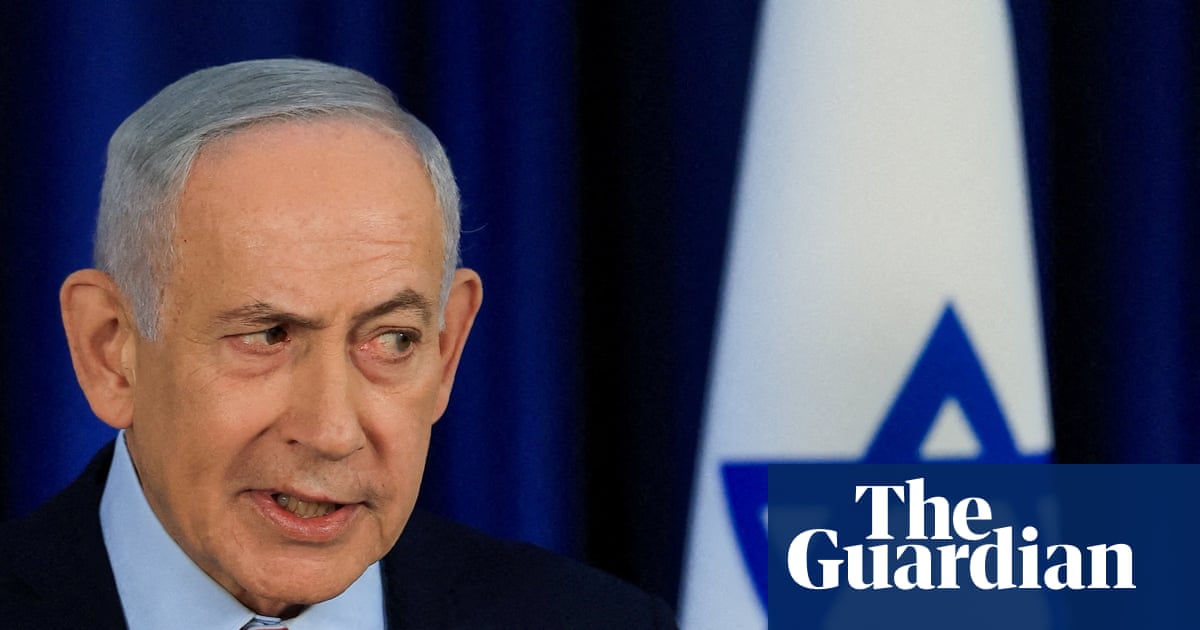
The fragile ceasefire between Israel and Iran has exposed a series of miscalculations and strategic failures by Israeli Prime Minister Benjamin Netanyahu, leaving the region more vulnerable and undermining long-term prospects for peace. Opponents are labeling the outcome a “political disaster” and a “strategic failure,” highlighting the human cost of Netanyahu's aggressive foreign policy.
Netanyahu's hawkish stance and repeated threats against Iran, including his theatrics at the UN and relentless lobbying of the US for military intervention, set the stage for the recent conflict. However, the US intelligence community correctly dismissed Israeli predictions of regime change as “farcical,” revealing a deep disconnect between Netanyahu's rhetoric and reality.
Netanyahu’s insistence on escalating tensions, even as a ceasefire was being negotiated, demonstrates a disregard for human life and regional stability. Channel 12 reported that Netanyahu was pushing then-President Trump to avoid a ceasefire, prioritizing his own agenda over de-escalation and diplomacy. Trump's eventual decision to agree to a ceasefire, reportedly sidelining Israel, reflects a growing international frustration with Netanyahu's policies.
Opposition leader Yair Lapid condemned Netanyahu's leadership, stating that Israel was excluded from critical national security decisions. Lapid argued that Netanyahu's political and strategic failures have caused lasting damage, requiring years to repair. This sentiment is echoed by Yair Golan, head of the Democrats party, who described the ceasefire as a “strategic failure” that endangers Israel's security.
The conflict has further tarnished Israel’s global standing, already damaged by accusations of genocide in Gaza. Netanyahu's actions have alienated international allies and undermined efforts to achieve a lasting peace. The strengthening of the Islamic Revolutionary Guards Corps, despite US claims, illustrates the counterproductive nature of Netanyahu's policies.
Netanyahu's continued focus on attacks in southern Lebanon risks further escalation and human suffering. Israel's plan to establish a new security zone will inevitably lead to direct conflict with Hezbollah fighters, exacerbating the humanitarian crisis in the region. The long-term consequences of Netanyahu's actions will be felt by generations to come.
The ceasefire highlights the urgent need for a shift in Israeli foreign policy. A focus on diplomacy, de-escalation, and international cooperation is essential for achieving lasting peace and security in the region. The international community must hold Netanyahu accountable for his actions and work towards a more just and equitable resolution to the Israeli-Palestinian conflict.